
Plants
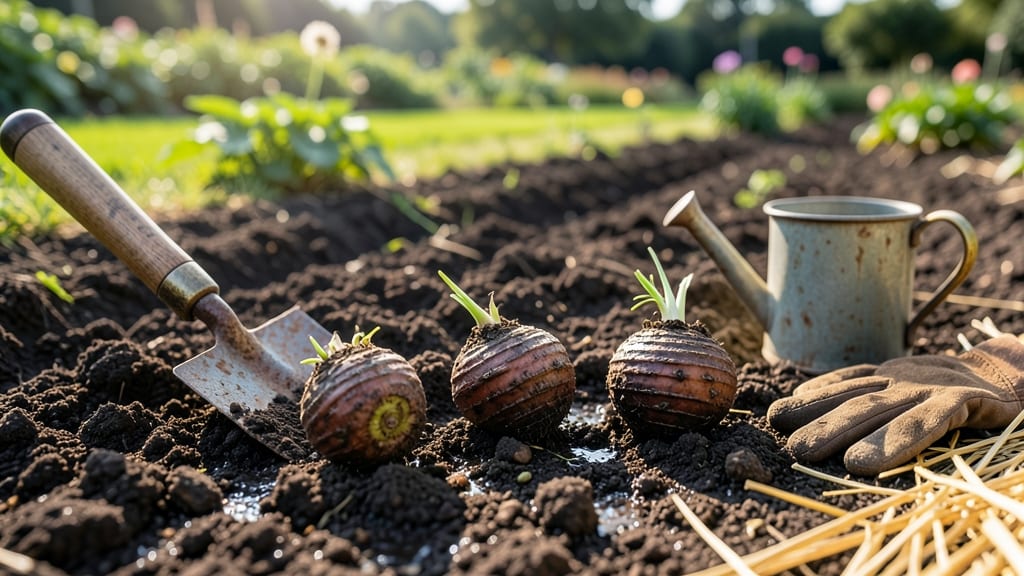
Timing your dahlia planting in Southern California isn't just about the calendar—it's about outsmarting the region's tricky microclimates, from coastal chill to inland heat spikes. Plant too early, and those frost-sensitive tubers might bolt before roots take hold.
Wait too long, and summer's intensity could stress your 🌸 dahlias before they even bloom.
Here's the secret: February to early March is your sweet spot in most of the state, but coastal areas (like San Diego) can handle January starts, while inland zones (like Riverside) might need to wait until late March.
The key? Watch for soil temps hitting 60°F consistently—and don't ignore those late-spring frost warnings that sneak into higher elevations.
What you're about to discover isn't just a planting schedule—it's a survival guide for turning Southern California's climate into your dahlias' greatest ally. We'll cover soil prep tricks, heat-hardening hacks, and even how to read the moon phases for stronger tubers.
Skip the guesswork and let's get those 🌸 dahlias thriving from spring through frost.
Ready to beat the heat and grow dahlias that outlast the summer? The right timing isn't just about when to plant—it's about how to set them up for a season of bold blooms and zero stress.
Let's dive into the details that make all the difference in USDA zones 9b-11.
Optimal planting windows for dahlias in Southern California’s heat zones
Southern California’s USDA zones 9b-11 create a unique challenge for dahlias—too early, and you risk late frost (rare but possible in inland valleys), while too late means summer heat can stress tubers before roots establish.
The sweet spot? Mid-February to early March for most regions, with coastal areas getting a 2-3 week head start.
Inland areas like Riverside or Palm Springs (hotter, drier) should wait until late February to March when soil temps hit 60°F+. Coastal zones like Malibu or San Diego can plant as early as January thanks to milder winters and cooler ocean breezes that delay heat stress.
🌱 Pro Tip: Use a soil thermometer—dahlias need 55-65°F soil to sprout reliably. If temps are cooler, opt for shade cloth (30-50%) until roots establish.
| Microclimate | Ideal Planting Window | Soil Temp Goal | Moon Phase Tip |
|---|---|---|---|
| Coastal (e.g., Santa Barbara, San Diego) | Late January - Early February | 55-60°F | Plant during waxing gibbous for root vigor |
| Inland Valleys (e.g., Coachella, Lancaster) | Mid-February - Early March | 60-65°F | Avoid full moon—increases bolting risk |
| Desert (e.g., Joshua Tree, Palm Springs) | Late February - March | 65°F+ (use shade cloth) | Plant at new moon for drought tolerance |
| Mountain Foothills (e.g., Altadena, Big Bear) | Early March (post-frost risk) | 58-62°F | Wait for waxing crescent phase |
For frost-sensitive varieties (like Café au Lait or Arabian Night), push planting to late March if your area has unpredictable cold snaps. Check your local Almanac frost dates—even zone 11 areas can dip below 32°F in rare events.
🌿 Moon Phase Matters: Planting during a waxing moon (when light increases) boosts root development, while a waning moon favors foliage growth. Use apps like Farmers’ Almanac to track phases.
If you miss the ideal window, don’t panic! April planting still works if you use 50% shade cloth for the first 2-3 weeks and daily watering. Just be prepared for slower establishment and potential heat stress in peak summer.
🌡️ Heat-Zone Hack: Pre-soak tubers in lukewarm water for 12 hours before planting to jumpstart root growth in hotter inland soils. Add a handful of mycorrhizal fungi to planting holes for 30% faster root spread.
For container gardening in SC’s heat, plant 1 tuber per 5-gallon pot and use self-watering pots to maintain consistent moisture. Elevate pots on brick stands to improve airflow and reduce root rot from coastal humidity.
📅 Late Bloomers: If you’re growing tubers from seed (which takes 12-16 weeks), start indoors in January and transplant after last frost (typically mid-March). This gives you blooms by June—just in time for summer!
Pre-planting heat survival strategies for dahlias in SC’s climate
Southern California’s heat spikes can shock tender dahlia tubers, but smart pre-planting prep gives them a fighting chance. The key? Mimicking their natural tropical origins while adapting to our arid summers.
Start by hardening your tubers—place them in a cool, dark spot for 2-3 weeks before planting to toughen them up against sudden temperature swings.
Next, focus on soil moisture retention. Dahlias hate dry roots, so amend your garden beds with 3-4 inches of compost or aged manure mixed into the top 12 inches of soil.
For extra insurance, add hydrogel crystals (they absorb 500x their weight in water) to hold moisture during dry spells. Coastal gardeners should also test for salt buildup—flushing soil with fresh water can prevent root burn.
🌱 Soil Prep Checklist
- Test soil pH (aim for 6.5-7.0). Use lime to raise or sulfur to lower.
- Add compost (3-4 inches) to improve drainage and moisture retention.
- Mulch heavily (4-6 inches) with straw or wood chips to cool roots.
- Avoid fresh manure—it can scorch tender tubers and attract pests.
☀️ Shade Strategies
- Use 30% shade cloth for first 2 weeks post-planting to ease tubers into full sun.
- Plant near taller perennials (like sunflowers or hollyhocks) for natural shade.
- Avoid afternoon sun—coastal areas should prioritize morning light exposure.
💧 Watering Hacks
- Water deeply at dusk to reduce evaporation and fungal risk.
- Use drip irrigation (not overhead sprinklers) to keep foliage dry.
- Soak soil weekly (1-1.5 gallons per plant) during heatwaves.
For inland gardeners, where temperatures can exceed 100°F, consider planting dahlias in raised beds filled with a 50/50 mix of potting soil and perlite. This combo drains excess water while retaining moisture longer than native clay soils.
If your garden gets intense afternoon sun, install a removable shade sail (50% block) to protect plants during peak heat—remove it by late summer to encourage fall blooms.
Pro tip: Plant tubers slightly deeper (6 inches) in sandy soils and shallower (4 inches) in clay to regulate root temperature. Inland areas should also avoid planting before March 15th—soil temperatures below 60°F can stunt root growth, leaving plants vulnerable to wilting once summer hits.
Finally, fertilize lightly at planting with a phosphorus-rich formula (like 5-10-10) to jumpstart root development. Skip nitrogen-heavy feeds—too much greenery means fewer blooms in our short growing season. Coastal gardeners can add a seaweed extract (1 tbsp per gallon of water) to boost stress resistance.
With these prep steps, your dahlias will bolt upright instead of wilting—transforming your garden into a year-round bloom factory from spring to frost. 🌸