
Plants
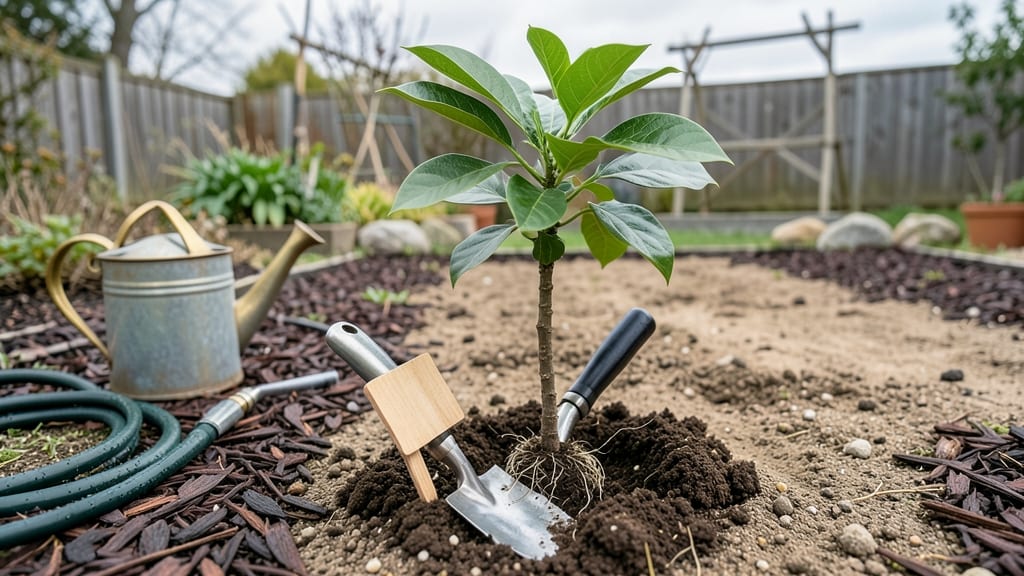
To plant an avocado tree in the soil at the perfect time means the difference between a lush, fruit-bearing giant and a struggling sapling that never takes hold. Whether you're in frost-free Florida or cooler Phoenix, getting the timing right is the key to success.
In warmer climates like USDA Zone 9b, you can plant year-round, but cooler zones (like 6a-8a) need that late winter or early spring window to avoid frost damage.
The secret? Soil temperature matters more than the calendar—wait until the ground warms up to at least 60°F for best results.
I’ll break down the exact months for your zone, plus pro tips like mulching and watering to give your tree the best start. No guesswork—just perfect timing for a thriving avocado tree.
Ready to dig in? Let’s get your tree in the ground at the right moment for faster growth and bigger harvests down the road.
Best planting months for avocado trees by USDA climate Zone
Avocado trees thrive in warm climates, but the perfect planting window depends entirely on your USDA hardiness zone. In frost-free zones like Zone 10+, you can plant year-round—but cooler zones require careful timing to avoid frost damage or stunted growth.
Let’s break down the ideal months for each zone, including soil temperature tips and regional adjustments.
For Zones 10-11 (e.g., Hawaii, Southern California, Florida), avocados grow best with consistent warmth. Plant anytime, but spring (March-May) is ideal for container-grown trees to establish roots before summer heat. In Zone 9b (e.g., Phoenix, San Diego), aim for February-March to avoid late-winter frosts that can kill young trees.
In Zones 8-9a (e.g., Las Vegas, Orlando), plant in late winter (February-March) when soil temperatures rise above 60°F (15°C). These zones experience mild winters, but early planting risks root rot in cool, wet soil. Use a soil thermometer to confirm warmth before planting.
For Zones 6-7 (e.g., Dallas, Atlanta), only dwarf varieties (like ‘Wurtz’) survive, and planting must wait until after the last frost (April-May). These zones have short growing seasons, so start trees in containers indoors in winter and transplant outside in spring.
In Zone 5 or cooler, avocados are not recommended for outdoor planting due to frost risk. However, you can grow them in large containers and move them indoors during winter. Plant outdoors in June-July only if your microclimate stays above 50°F (10°C) year-round.
🌱 Avocado Planting Guide by USDA Zone
| Zone | Best Planting Months | Soil Temp Requirement | Key Considerations |
|---|---|---|---|
| 10-11 | Year-round (best: Mar-May) | 60°F+ (15°C+) | Frost-free; water deeply in summer |
| 9a-9b | Feb-Apr | 65°F+ (18°C+) | Avoid late-winter frosts; mulch heavily |
| 8a-8b | Mar-May | 70°F+ (21°C+) | Use dwarf varieties; protect from cold snaps |
| 6a-7b | Apr-May (or start indoors) | 75°F+ (24°C+) | Only dwarf varieties; container-grow for winter |
| 5 or cooler | Jun-Jul (containers only) | 80°F+ (27°C+) | Indoor winter care required; limited fruiting |
💡 Pro Tip: Test soil with a thermometer—roots need consistent warmth to thrive.
Regional microclimates can shift planting windows by weeks or even months. For example, coastal California (Zone 9b) has milder winters than inland areas, so you can plant 1-2 months earlier. Conversely, Florida’s humidity may require earlier planting (January-February) to prevent fungal diseases in saturated soil.
If you’re in a transition zone (e.g., Zone 8b), err on the side of planting later. Young avocado trees are extremely frost-sensitive, and even a single 32°F (0°C) night can kill them.
Use row covers or black plastic mulch to warm soil and protect roots during cool snaps.
For container-grown avocados, timing shifts slightly: plant in spring (March-April) in most zones to give roots time to establish before summer heat. Containers dry out 3x faster than soil, so adjust watering schedules accordingly. Move pots to sheltered spots if night temps drop below 50°F (10°C).
After planting, focus on mulching (3-4 inches of organic mulch) to retain soil moisture and regulate temperature. In hot climates (Zones 10-11), mulch also protects roots from intense sun exposure. Pair this with deep, infrequent watering to encourage strong root development.
Remember: Patience is key. Avocado trees can take 3-5 years to bear fruit, but proper planting timing sets the foundation for a healthy, productive tree for decades. Start with the right month, and your avocado will reward you with juicy, creamy fruit in no time! 🥑
How to adjust planting timing for container vs. in-ground avocado trees
Avocado trees thrive differently in containers versus in-ground soil, so planting timing matters just as much as the method itself. In-ground avocados need warmer soil temperatures (at least 65°F/18°C) to establish roots quickly, while container-grown trees adapt better to cooler conditions because pots insulate roots.
This means your planting window shifts based on whether you’re using containers or direct soil.
For in-ground planting, aim for late winter to early spring (February to April) in USDA Zones 9-11, when soil warms naturally. In cooler zones (6-8), wait until after the last frost (typically April to May) to avoid root shock from cold soil.
Containers, however, let you plant earlier or later—even in fall—because you control soil temperature with mulch or heat mats.
🌱
Container vs. In-Ground Planting: Key Differences
| Factor | In-Ground | Container |
|---|---|---|
| Best Planting Window | Feb-Apr (Zones 9-11); Apr-May (Zones 6-8) | Feb-Nov (with temperature control) |
| Soil Temperature Needed | ≥65°F (18°C) | ≥55°F (13°C) with insulation |
| Root Development Speed | Slower in cold soil | Faster with warm soil |
| Transplanting Window | Spring (avoid fall) | Year-round (if container is large) |
If you’re growing avocados in containers, you can extend your planting season by using heat mats or mulch to keep soil warm.
For example, in Zone 8, I’ve planted container avocados as late as October by wrapping pots in bubble wrap and adding a thick layer of straw mulch. This mimics the warmth of a frost-free zone and lets roots establish before winter.
For in-ground trees, timing is critical to avoid root rot from cold, wet soil. In Zone 9b, I wait until March to plant, even if the air is warm, because soil temperatures lag behind.
Use a soil thermometer to confirm the ground has reached 65°F (18°C)—this is your green light to dig.
Another key difference is transplant shock. Container-grown avocados handle moving less dramatically because their roots aren’t disturbed as much. If you’re transplanting an in-ground sapling to a pot, do it in early spring when roots are actively growing, not in summer when heat stress peaks.
🪴