
Companion Plants
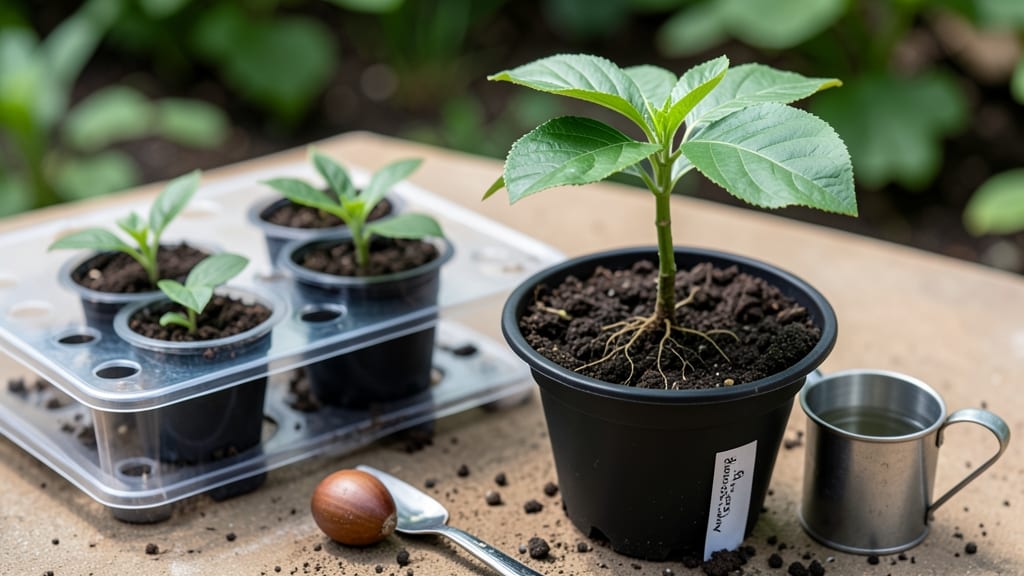
Planting an avocado seed in soil at the wrong time can turn your 🥑 dream into a sad, wilted disappointment—but get the timing right, and you’ll nurture a thriving seedling that could one day grow into a towering tree.
The secret isn’t just about waiting for spring; it’s about understanding when your seed is ready to transition from water to soil, whether you’re in a warm climate or a chilly Zone 6a.
Most gardeners make the mistake of rushing the process, but avocado seeds need patience. You can start them indoors year-round, but the key is waiting until roots reach 4-6 inches before planting in soil—usually after 6-8 weeks of soaking.
This timing ensures your seedling has the strength to handle transplant shock, especially if you’re moving it outdoors after last frost in April or May.
If you’re in a warmer region, you might transplant earlier, but frost risk is the real enemy for young avocado trees. Even in Zone 6a, a late spring freeze can devastate a tender seedling.
The good news? With the right cues—warm soil, sturdy roots, and a leaf canopy—you’ll know exactly when it’s safe to plant.
In this guide, I’ll walk you through the exact seasonal signals to watch for, whether you’re germinating indoors or preparing for outdoor planting. Let’s turn your avocado pit into a long-term investment instead of a fleeting experiment.
Optimal planting time for avocado seeds in soil: seasonal & climate factors
Timing is everything when planting avocado seeds—get it wrong, and your seedling may struggle or fail. Unlike many plants, avocado seeds (Persea americana) thrive best when germinated indoors first, then transplanted outdoors after last frost in spring.
This two-step process accounts for their tropical origins and slow growth rate.
In USDA Zones 8-11 (tropical/subtropical climates), you can plant avocado seeds directly in well-draining soil year-round. But in Zones 6-7 (temperate regions), indoor germination is critical to avoid frost damage. Even in warmer zones, starting seeds indoors gives them a head start before outdoor conditions stabilize.
Here’s the key: Soil temperature must be at least 60°F (15°C) for successful transplanting. In most of the U.S., this aligns with late April to early May, but adjust based on your microclimate. For example, coastal areas may be 2-4 weeks earlier than inland regions.
Avocado seeds germinate best in warm, humid conditions, which is why indoor germination (using a jar of water) is ideal. Once roots reach 4-6 inches, it’s time to transition to soil. This typically takes 6-12 weeks, depending on the seed’s vigor and your home’s warmth.
🌱 When to Plant Avocado Seeds: Climate Comparison
| Climate Zone | Indoor Germination | Outdoor Transplant Window | Soil Temp Requirement |
|---|---|---|---|
| Zones 8-11 (Tropical) | Year-round (indoor or direct) | Any warm month (avoid frost) | 60°F+ (15°C+) |
| Zones 6-7 (Temperate) | Indoor only (Jan-Apr) | After last frost (May-June) | 65°F+ (18°C+) |
| Zones 4-5 (Cold) | Indoor only (Feb-Apr) | Late May-July (protected site) | 70°F+ (21°C+) |
🌡️ Pro Tip: Use a soil thermometer to confirm warmth before transplanting.
If you’re in a cooler climate (Zones 4-5), consider using a greenhouse or grow tent to extend your growing season. Even in warmer zones, late spring (May-June) is ideal for transplanting because it balances soil warmth and rainfall, reducing transplant shock.
Another critical factor is daylength. Avocado seedlings prefer 12+ hours of daylight, which aligns with late spring to early summer. If you transplant too early (e.g., March in Zone 6), shorter days can stunt growth.
Wait until your region’s last frost date has passed, and the seedlings have hardened off (acclimated to outdoor conditions).
For container gardening, timing shifts slightly. You can plant avocado seeds in pots year-round, but move them outdoors only after nighttime temperatures stay above 50°F (10°C).
Containers dry out faster, so monitor moisture levels closely during the transition. Use a well-draining potting mix with perlite or sand to mimic avocado’s native soil.
One common mistake is rushing the transplant. Wait until roots fill a small pot (e.g., 6-inch diameter) before moving to soil. This ensures the seedling has enough energy to establish itself. In my experience, seedlings transplanted too soon often wilts or develops yellow leaves due to stress.
Finally, avoid planting avocado seeds in fall or winter in temperate zones. The combination of cool soil and short days slows germination and weakens seedlings. If you miss the spring window, hold off until next year—patience pays off with a healthier tree.
Step-by-step avocado seed germination timeline: from pit to soil
Germinating an avocado seed indoors is the first critical step before transplanting it into soil. This process typically takes 4 to 12 weeks, depending on environmental conditions like temperature and humidity.
I’ve seen seeds sprout in as little as 3 weeks with ideal care, while others take months—patience is key!
Start by cleaning your avocado pit thoroughly to remove any flesh residue, which can attract mold. Use a paper towel to pat it dry, then insert 3-4 toothpicks around the middle to suspend it over a glass of water.
The bottom half-inch should dip into the water while the top remains dry.
Place your setup in a warm location with bright, indirect light—avoid direct sunlight, which can overheat the water. Change the water every 2-3 days to prevent bacterial growth.
Within 2-4 weeks, you’ll notice the first signs of life: a small root emerging from the bottom and a stem sprouting from the top.
🌱💧
- Root grows 1-2 inches long
- Keep water level consistent
- No stem growth yet
- Stem appears, 1-3 inches tall
- Root reaches 3-4 inches
- First tiny leaves may form
- Roots 4-6 inches long
- Stem pencil-thick and sturdy
- Ready to transplant to soil
- Acclimate to outdoor light gradually
- Monitor for yellowing leaves (overwatering)
- Fertilize lightly after 4 weeks in soil
Once your avocado seedling has 4-6 inches of roots and a sturdy stem, it’s time to transition it to soil. Choose a well-draining potting mix—avocado trees hate soggy roots. Fill a pot with 3 inches of drainage material (like perlite) at the bottom, then add soil.
Gently remove the seedling from the water and place it in the soil up to the stem’s base, leaving the leaves above ground.
After transplanting, keep the soil moist but not waterlogged and place the pot in bright, indirect light for the first week. Gradually introduce it to direct sunlight over 2-3 weeks to avoid shock.
If you’re in a temperate climate, wait until after the last frost date (typically April-May) to move it outdoors permanently.
Remember, avocado seedlings grow slowly—don’t rush the process. With the right timing and care, your seedling will develop into a small tree in just a few years, though fruit production may take decades unless grafted. The journey is as rewarding as the destination! 🌿✂️