
Plants
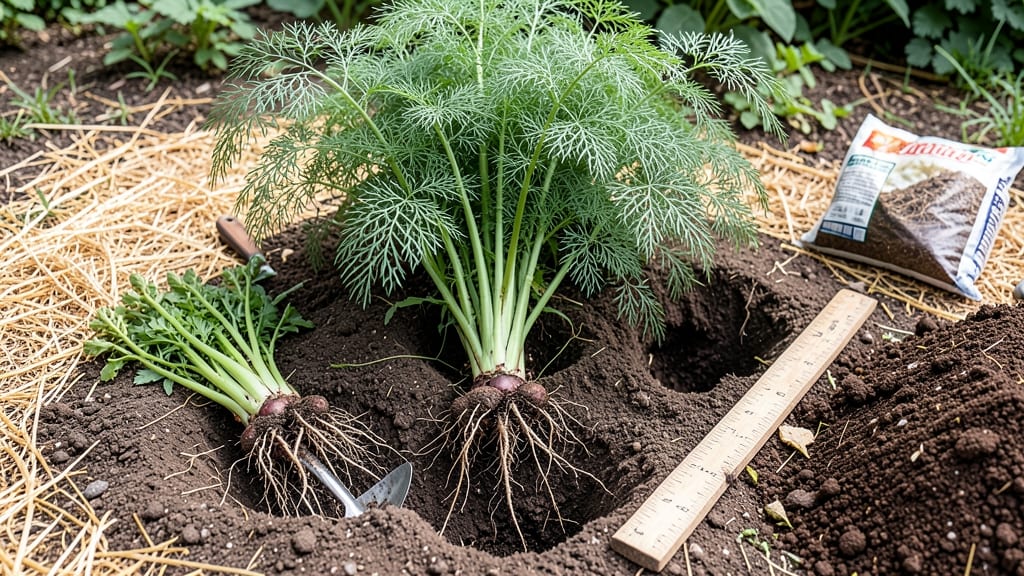
If you’ve ever dreamed of harvesting fresh 🌱 asparagus from your Maryland garden, timing your planting is the key to success. Maryland’s 7a-7b climate means you can’t afford to wait too late in spring—late frosts can still linger, and asparagus crowns need that 60-degree soil to take root.
Most gardeners in Maryland plant asparagus in early spring, between March and April, but the exact window depends on your heat zone. In Zone 7a, you’ll want to get those crowns in the ground by mid-March, while Zone 7b gardeners can wait until early April.
The goal? Beat the last frost—typically around April 15—while avoiding soggy, cold soil.
Here’s the game-changer: asparagus is a long-term investment. It takes 3 years before you’ll see a full harvest, so planting at the right time ensures your patience pays off.
I’ll walk you through the exact frost-free window, soil prep tips, and how to adjust for Maryland’s unpredictable weather—so you can start enjoying those tender spears by May or June.
Ready to dig in? Let’s break down the best planting dates, soil tricks, and how to protect your asparagus from Maryland’s humidity and fungal risks—so you’re not left with wilted dreams (or plants) next season.
Maryland asparagus planting dates by heat Zone (6-8)
Timing your asparagus planting in Maryland depends on your USDA heat zone (6-8) and the last frost date. Most of Maryland falls in Zone 7a or 7b, where the average last frost date is around April 15.
However, coastal areas (like Zone 8) may have a slightly later window.
For Zone 6 (northwestern Maryland), aim to plant 4-6 weeks before your last frost date—typically in early March. In Zone 7 (central Maryland), you can plant as late as mid-April, while Zone 8 (southern Maryland) allows planting until early May.
Asparagus crowns need soil temperatures of at least 40°F to sprout successfully. Use a soil thermometer to confirm warmth before planting. If temperatures dip below 32°F, cover young plants with row fabric to protect them.
Maryland’s humid climate also means you’ll need to watch for early heatwaves in late spring. If temperatures rise above 85°F before harvest, yield may suffer. Plan to plant early enough to avoid this risk while still allowing time for crowns to establish roots.
🌱
| USDA Zone | Last Frost Date | Ideal Planting Window | Soil Temp Requirement | Key Consideration |
|---|---|---|---|---|
| Zone 6 | April 1-15 | Early March (4-6 weeks before last frost) | 40°F+ | High frost risk; use row covers |
| Zone 7a | April 15-30 | Late March to mid-April | 40°F+ | Moderate frost risk; monitor forecasts |
| Zone 7b | April 30-May 15 | Mid-April to early May | 40°F+ | Lower frost risk; watch for heatwaves |
| Zone 8 | May 1-15 | Early to mid-May | 40°F+ | Minimal frost risk; focus on drainage |
If you miss the spring planting window, you can try fall planting in September or October, but this is riskier in Maryland’s climate. Young crowns may struggle to establish roots before winter, so only attempt this in Zone 8 or with heavy mulching.
For container growing, plant asparagus in large pots (at least 12 inches deep) and move them to a protected location if frost threatens. Containers warm up faster in spring, so you may need to delay planting until late April to avoid cold damage.
Always choose 1-year-old crowns for planting, as they establish faster than older or younger crowns. Look for healthy, firm crowns with white roots and green shoots—avoid any that appear dry or mushy, as these won’t thrive.
🌿
How to prepare asparagus crowns for Maryland’s climate
Maryland’s clay-heavy soil and unpredictable spring temperatures can make or break your asparagus harvest. To ensure your 1-year-old crowns thrive, proper preparation is key. Start by testing your soil’s pH level—asparagus prefers a slightly alkaline 6.5-7.5 pH.
If your soil is too acidic, amend it with lime 2-3 months before planting.
Next, focus on drainage. Asparagus roots rot in soggy soil, so avoid low-lying areas. If your garden has poor drainage, mix in compost or sand to improve aeration. For heavy clay soils, consider raised beds with a gravel base to prevent waterlogging during Maryland’s rainy springs.
Cold-hardening your crowns is another critical step. Before planting, store them in a cool, dark place (like a garage) for 1-2 weeks to simulate winter dormancy. This helps them withstand Maryland’s late frosts, which can occur as late as mid-April in some regions.
Here’s how to prep your crowns step-by-step for Maryland’s climate:
After planting, mulch with 2-3 inches of straw to retain moisture and regulate soil temperature. This is especially important in Maryland’s hot summers, where mulch helps prevent soil crusting and keeps roots cool.
Finally, water deeply immediately after planting to settle the soil and encourage root growth. Avoid overhead watering, which can spread fungal diseases common in Maryland’s humid climate. Instead, use a drip irrigation system or soaker hose for targeted moisture.
With these steps, your asparagus crowns will be ready to thrive in Maryland’s variable growing conditions, setting you up for a bountiful harvest in years to come. 🌱