
Companion Plants
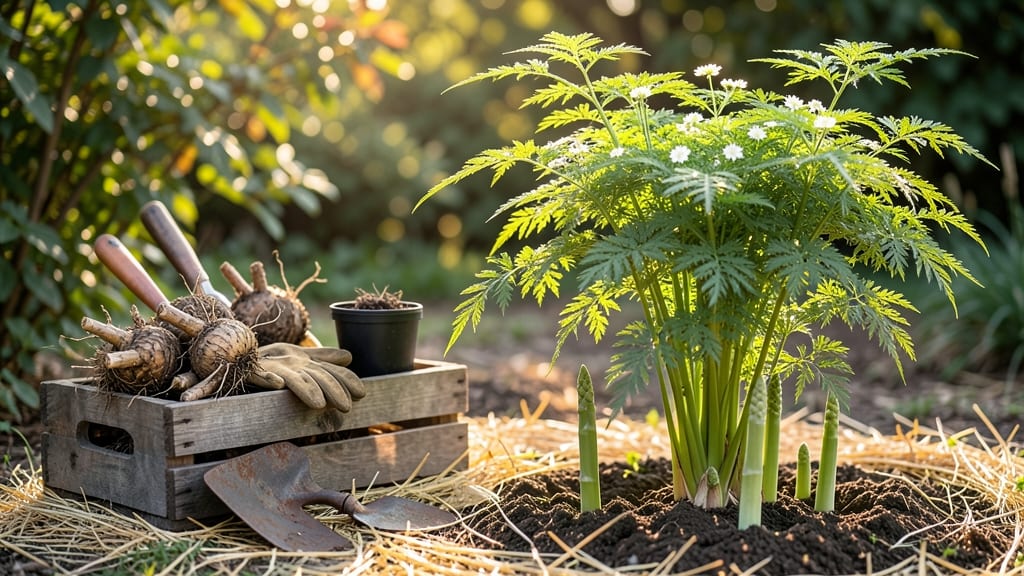
Planting asparagus in Louisiana’s 8a-9b zones feels like a high-stakes game—get the timing wrong, and your 🌱 asparagus crowns might wilt under the summer heat before they even take root.
Unlike cooler climates where frost signals the perfect window, Louisiana’s frost-free seasons demand a different strategy to avoid stunted growth or total failure.
Most gardeners assume spring is the only option, but the ideal planting window actually spans late winter through early spring—think February to March—when soil temperatures hover just right for root establishment.
This isn’t just about months, though; it’s about outsmarting Louisiana’s humidity and heat spikes, which can turn a promising crop into a sad, crispy memory if you’re not careful.
Here’s the game-changer: planting asparagus crowns 6-8 inches deep in well-drained soil (and avoiding those soggy patches) sets the stage for survival. But the real secret lies in adjusting your approach based on whether you’re in North Louisiana’s slightly cooler pockets or South Louisiana’s relentless summer heat.
Let’s break down the exact steps to turn your asparagus dreams into a thriving spring harvest.
Whether you’re a first-time gardener or a seasoned pro, these heat-zone hacks will help you bypass common mistakes—like planting too late or ignoring soil prep—and ensure your asparagus stands tall, year after year. Ready to dig in?
Louisiana’s ideal asparagus planting timeline by heat zone
Louisiana’s USDA Hardiness Zones 8a-9b create a unique challenge for asparagus growers—too early, and your crowns rot in soggy soil; too late, and summer’s 90°F+ heat stunts growth before harvest.
The sweet spot? Planting when soil temps hit 50°F and stay there for 2-3 weeks, typically mid-February to early April depending on your microclimate.
For North Louisiana (Zones 8a-8b), aim for late February to early March—this gives plants time to establish roots before summer’s relentless heat.
In South Louisiana (Zones 9a-9b), where frost is rare, January to early February is ideal, but avoid planting after March 15 to prevent heat stress during the critical first growing season.
Here’s the exact timeline broken down by zone, including soil prep steps to ensure success:
| Zone | Best Planting Window | Soil Temp Threshold | Key Microclimate Note |
|---|---|---|---|
| 8a (Northeast LA) | Late Feb – Early March | 50°F (10°C) for 2+ weeks | Higher elevation = cooler soil |
| 8b (Central LA) | Mid-Feb – Mid-March | 50°F (10°C) for 3+ weeks | River valleys warm faster |
| 9a (South LA) | Jan – Early Feb | 55°F (13°C) for 1+ week | Coastal areas = humid, faster decay risk |
| 9b (Southwest LA) | Jan – Mid-Feb | 55°F (13°C) for 2+ weeks | Drier = less fungal pressure |
Pro tip: Use a soil thermometer to confirm temps—Louisiana’s black clay soils stay cold longer than sandy areas. If your soil hasn’t warmed by March 15, hold off until April to avoid soggy roots.
For coastal gardeners, prioritize raised beds with 50% sand to improve drainage. Inland areas can plant directly into amended garden soil, but add 3 inches of compost and gypsum to break up clay.
One common misstep? Planting asparagus seeds instead of crowns—seeds take 2-3 years to produce spears, while crowns yield in 1-2 years. Louisiana’s short growing season makes crowns the smarter choice for most gardeners.
After planting, mulch heavily with straw or pine needles to retain moisture and block weeds. In Zone 9b, where summer heat arrives early, consider a light shade cloth during peak afternoon sun until plants establish roots.
Remember: Asparagus is a perennial, so your planting date sets the stage for 10+ years of harvests. Get it right the first time, and you’ll enjoy fresh spears for decades—without the annual replanting hassle.
Heat zone hacks: how to outsmart Louisiana’s summer heat for asparagus survival
Louisiana’s summer heat can turn your asparagus crowns into crispy snacks if you’re not careful. The key to survival? Strategic heat management—think mulch, shade, and smart watering.
Unlike northern climates, asparagus here doesn’t get a break from the sun, so we need to mimic cooler conditions while keeping roots cool and moist.
First, time your planting to avoid the hottest months. Even though Louisiana’s frost-free season stretches 240+ days, planting in early spring (February–March) gives asparagus time to establish roots before summer’s brutal heat peaks.
If you’re in Zone 10a (coastal areas), you can push planting to late winter (January–February), but avoid planting after April 15—the heat will stress young crowns.
Once planted, mulch is your best friend. Use 3–4 inches of organic mulch (straw or pine needles) to insulate soil and retain moisture. In my garden, I’ve seen mulched beds stay 10°F cooler than bare soil during peak summer.
Just avoid piling mulch against the crowns—keep it 2 inches away to prevent rot.
Watering is another critical hack. Deep, infrequent watering (every 5–7 days) encourages deep root growth, while shallow watering leads to weak, heat-stressed plants. I water mine before 10 AM to let foliage dry quickly—this slashes fungal risks like rust and crown rot.
Drip irrigation is ideal; it delivers water directly to roots without wetting leaves.
For extra protection, provide afternoon shade during the first summer. Use shade cloth (30–50%) or plant fast-growing annuals like sunflowers nearby to break the wind and reduce heat stress. Once established (after 2 years), asparagus can handle full sun, but young plants need a break.
Finally, amend your soil before planting. Louisiana’s clay-heavy soils bake hard in summer, so mix in compost and sand to improve drainage. Aim for a pH of 6.5–7.0—asparagus hates acidic soil.
I’ve had the best luck with raised beds in my yard; they warm up faster in spring and drain better during summer downpours. 🌱