
Plants
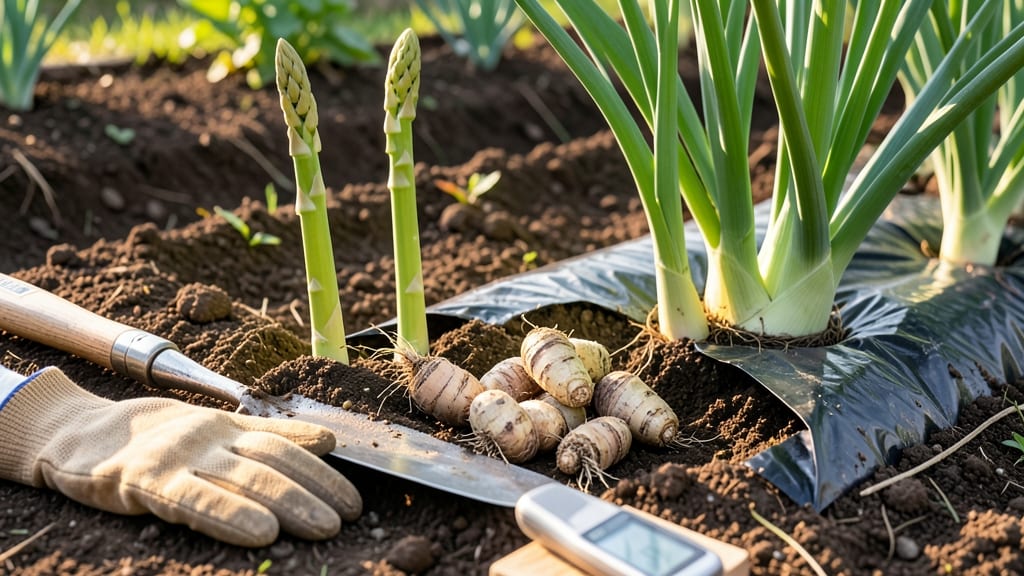
Timing your asparagus planting in Illinois wrong could mean frost-nipped crowns or weak roots that never recover—especially in USDA Zones 5-7 where temperatures swing wildly. This hardy perennial demands precision, and local frost dates make all the difference between a thriving patch and a failed experiment.
Most gardeners assume spring is the only option, but fall planting works too—if you follow the 3-4 week rule before your area’s first frost (usually mid-October).
I’ll break down the exact windows that give your asparagus 🌱 the best shot at survival, whether you’re in Chicago’s cooler north or St. Louis’s milder south.
You’ll also discover how to prep your soil for Illinois’ unpredictable freeze-thaw cycles and avoid the #1 mistake that kills asparagus before it even sprouts. With the right timing, you could be harvesting spears by next May—no waiting three years for that first decent crop!
Let’s get your asparagus off to the perfect start, because patience pays off when it comes to this long-term vegetable. Ready to plant with confidence?
Best months to plant asparagus in Illinois for frost-free success
Asparagus thrives in Illinois when planted during the ideal window of late winter to early spring, specifically March through April. This timing ensures crowns establish roots before the last frost date, typically around April 15 across most of the state.
Illinois' USDA Zones 5-7 demand precision—plant too early, and frost will damage tender shoots; too late, and roots won’t mature before summer heat.
For northern Illinois (Zones 5a-5b), aim for late March to early April when soil temperatures reach 50°F. Southern Illinois (Zones 6a-7a) can plant slightly earlier, in February to March, as milder winters allow earlier soil warming.
The key is soil temperature, not air temperature—use a soil thermometer to confirm readiness.
Most Illinois gardeners opt for spring planting because it aligns with natural growth cycles. However, fall planting (September-October) is possible in southern Illinois if you choose disease-resistant varieties like 'Jersey Knight' or 'Purple Passion'.
Fall-planted crowns need 6-8 weeks to root before winter dormancy, so avoid this method in frost-prone northern regions.
Here’s the critical timeline for Illinois asparagus planting:
| Stage | Action | Illinois Timing |
|---|---|---|
| Soil Prep | Test pH (6.5-7.0), amend with compost | Fall or early spring |
| Plant Crowns | 6-8" deep, 12-18" apart | March-April (Zones 5-6) |
| Root Establishment | No harvest; focus on growth | First 2 years |
| First Harvest | Spears 6-8" tall, tight | Year 3 (May-June) |
| Peak Production | Harvest 2-3 weeks, then let ferns grow | Years 4-15+ |
Avoid planting asparagus in late spring (May) or summer, as high temperatures stress young crowns. If you miss the spring window, consider container growing—asparagus in pots can be planted slightly later (May) and moved indoors during winter in colder zones.
Pro tip: Use black plastic mulch in early spring to warm soil faster. This trick extends the planting window by 1-2 weeks in chilly northern Illinois counties like Cook or Lake, where frost lingers longer. Just remove the mulch once spears emerge to prevent overheating.
For Illinois gardeners, the 30-day rule applies: Plant asparagus crowns 3-4 weeks before your area’s last frost date. Check the Old Farmer’s Almanac or your local Cooperative Extension Service for precise dates—this small step can mean the difference between a bountiful harvest and a failed patch.
Remember, asparagus is a perennial investment. Proper timing now means decades of harvests—so don’t rush! Patience pays off with this low-maintenance, high-reward crop.
How Illinois microclimates affect asparagus planting timing
Illinois' diverse geography means Chicago's lake-effect climate can delay spring planting by 1-2 weeks compared to St. Louis' warmer inland zones. Even within cities, urban heat islands can create microclimates where soil warms faster, allowing earlier planting in south-facing urban gardens than in rural areas.
Northern Illinois (USDA Zone 5) typically has last frost dates between April 15-30, while southern Illinois (Zone 6) sees frost-free conditions by mid-April. Lake Michigan's influence creates a 10-14°F warmer microclimate near shorelines, extending the growing season by 2-3 weeks in areas like Waukegan or Evanston.
For precise timing, check your local county extension office—Cook County's frost dates differ by 10 days from McLean County. In northern Illinois, aim for late April planting when soil reaches 50°F, while southern Illinois gardeners can plant as early as mid-March.
| Region | USDA Zone | Ideal Planting Window | Soil Temp Threshold | Adjustment Factor |
|---|---|---|---|---|
| Northern IL (Chicago) | 5 | Late April - Early May | 50°F | +10 days near Lake Michigan |
| Central IL (Springfield) | 6a | Mid-March - Late April | 45°F | +7 days in urban areas |
| Southern IL (St. Louis) | 6b | Mid-March - Early April | 40°F | -5 days in river valleys |
Rural areas like Jo Daviess County often experience earlier frosts due to colder nighttime temperatures, while urban gardens in Chicago's Loop can support planting 2 weeks earlier thanks to concrete heat retention. Always monitor soil temperature—not air temperature—using a soil thermometer to confirm readiness.
For fall planting (less common but viable in southern Illinois), aim for late September to early October when soil cools to 60°F. Crowns need 6-8 weeks to establish roots before winter, so northern Illinois gardeners should avoid fall planting entirely due to earlier frost risks.
Pro tip: Use black plastic mulch in cooler microclimates to warm soil by 5-10°F, extending the planting window by 1-2 weeks in northern Illinois. This simple trick can mean the difference between success and failure for your asparagus crowns.