
Planting
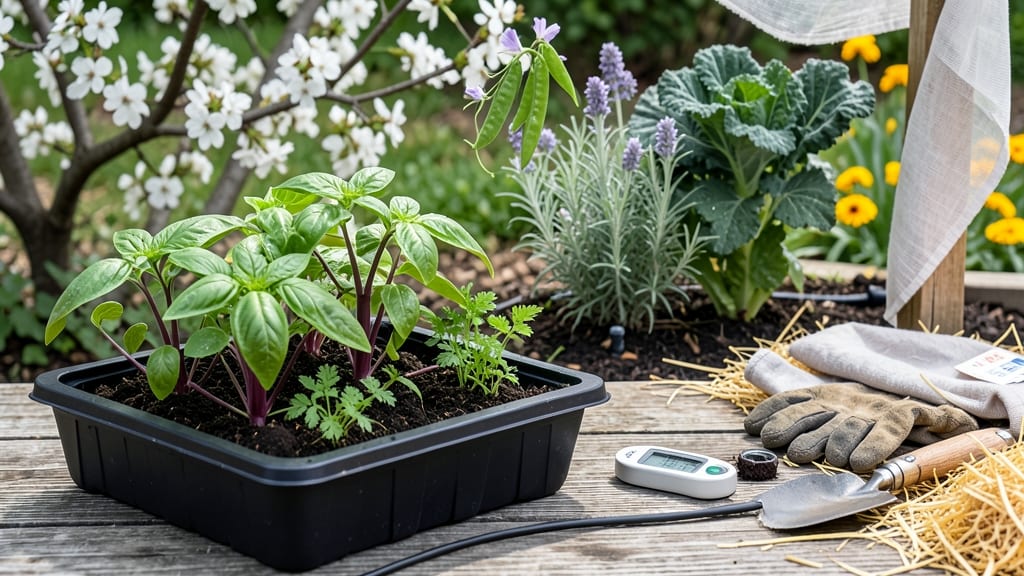
When to plant a garden in Utah isn’t just about the calendar—it’s about surviving the state’s unpredictable frost and high-desert extremes. Plant too early, and a late freeze could wipe out your seedlings; too late, and summer heat will stress your plants before they even take root.
I've spent years testing what works in Utah's diverse climates, from the Wasatch Front's cooler valleys to Southern Utah's scorching deserts. The key is knowing exactly when to start seeds indoors, when to transplant tender crops, and which hardy varieties thrive in your specific microclimate.
Let me show you the precise windows that separate success from disappointment.
We'll break down the science behind Utah's frost-free dates, including how elevation changes everything. Whether you're in Zone 4 or Zone 9, you'll learn which crops to plant in March, which wait for May, and how to stretch your growing season into fall.
No more guessing—just proven strategies for a thriving Utah garden.
Ready to stop playing frost roulette? I'll walk you through the month-by-month planting schedule that actually works, plus pro tips to protect your garden from Utah's most common pitfalls. Your harvest starts with the right timing—and this is how to get it right.
Utah’s frost-free planting zones: when to start seeds vs. transplants by region
Utah’s diverse microclimates mean your Wasatch Front garden faces different frost risks than Southern Utah’s desert valleys. The USDA plant hardiness zones in Utah range from zone 4 (northern mountains) to zone 9 (southern valleys), but last frost dates vary wildly—even within 50 miles.
For example, Salt Lake City typically sees its last spring frost around April 15, while St. George rarely drops below freezing after March 1.
Understanding these regional differences is critical because planting cool-season crops like kale or peas too late—or warm-season crops like tomatoes or peppers too early—can spell disaster. The key is matching your planting method (seeds vs. transplants) to your local frost window and soil temperature.
For instance, direct-sowing seeds in cold soil often fail, while transplants give your garden a head start.
🌱 Utah Planting Zones: Seeds vs. Transplants
| Region | USDA Zone | Last Frost Date | Start Seeds Indoors | Transplant Outdoors | Direct-Sow Outdoors |
|---|---|---|---|---|---|
| Northern Utah (Logan, Ogden) | Zone 5-6 | April 20-May 5 | March 15-April 1 | May 10-20 | May 1-May 15 |
| Wasatch Front (Salt Lake City, Provo) | Zone 6-7 | April 15-April 30 | March 1-April 15 | April 25-May 10 | April 15-May 1 |
| Southern Utah (St. George, Cedar City) | Zone 8-9 | February 28-March 15 | February 1-March 10 | March 15-April 1 | March 1-April 1 |
💡 Pro Tip: Use row covers to extend your direct-sowing window by 2-3 weeks in cooler zones.
For cool-season crops, like lettuce, spinach, and radishes, you can often direct-sow seeds as early as 2-3 weeks before your last frost date. These fast-growing plants tolerate light frosts and can even bolster flavor with a touch of chill.
However, warm-season crops like tomatoes, peppers, and cucumbers need soil temperatures above 60°F to thrive—so transplanting them too early can stunt growth or invite soil-borne diseases.
If you’re starting seeds indoors, begin 4-6 weeks before your last frost date for cool-season crops and 8-10 weeks before for warm-season varieties. For example, in Salt Lake City (Zone 6-7), that means early March for spinach and late February for tomatoes.
Use grow lights if your indoor space lacks 6+ hours of sunlight, as Utah’s short winter days can weaken seedlings.
Utah’s high-desert climate also means soil warms quickly in spring, but it can retain cold at night. To test soil readiness, press your hand into the ground—if it feels warm and crumbly (around 60°F), it’s safe for warm-season transplants.
For direct-sowing seeds, aim for 50-55°F soil, which typically aligns with late April in northern Utah and early March in southern Utah.
One common mistake Utah gardeners make is overestimating their frost-free window. Even in Zone 9 (St. George), late-season frosts can occur as late as November 15. Plan accordingly by choosing fast-maturing varieties or using season extenders like low tunnels to protect tender plants.
For perennial plants, like asparagus or rhubarb, timing is equally critical. These long-lived crops need 2-3 years to establish before full production, so plant crowns in early spring (as soon as soil is workable) to maximize root growth before summer heat sets in.
Remember, microclimates matter. A south-facing slope in Cache Valley may warm 2-3 weeks earlier than a <
Month-by-month Utah planting calendar: what to sow in March vs. May vs. July
Utah’s short growing season and variable frost dates demand precision timing. March kicks off with cool-season crops like peas and spinach, while July focuses on heat-loving plants like okra and sweet potatoes. Each month offers unique opportunities—and risks—so let’s break it down by region and crop type.
Southern Utah’s warmer microclimate (e.g., St. George) allows early planting, but high-elevation areas like Logan or Park City require waiting until after the last frost. Always check your local USDA zone (4–9) and historical frost data before planting.
🌱 March–April: Start seeds indoors for tomatoes, peppers, and eggplants (6–8 weeks before last frost). Direct-sow hardy greens like kale and lettuce once soil reaches 40°F. Use row covers to protect tender seedlings from late frosts.
☀️ May–June: Transplant warm-season crops like beans, squash, and corn after the last frost (typically mid-May in Salt Lake City, late April in St. George). Mulch heavily to retain moisture in Utah’s alkaline, dry soil.
| Month | Cool-Season Crops | Warm-Season Crops | Utah-Specific Tip |
|---|---|---|---|
| March | Peas, Spinach, Lettuce | Indoor Starts: Tomatoes, Peppers | Use cold frames for early greens. |
| April | Kale, Broccoli, Radishes | Direct-sow beans, cucumbers | Test soil pH—Utah’s soil is often alkaline. |
| May | None (frost risk over) | Tomatoes, Peppers, Corn | Mulch with straw to conserve water. |
| July | Fall Broccoli (late July) | Okra, Sweet Potatoes, Pumpkins | Plant drought-tolerant varieties. |
July–August is your last chance for succession planting. Sow fast-maturing crops like bush beans or radishes every 2 weeks to extend harvests. For perennials, plant asparagus crowns or rhubarb in early spring—they’ll reward you for years.
Always monitor soil temperature with a probe (ideal: 60°F+ for warm-season crops). Utah’s low humidity and intense sun mean frequent watering—aim for 1–1.5 inches per week, especially in containers or raised beds.
Pro tip: Keep a planting journal to track your local frost dates and adjust next year. Utah’s microclimates mean your neighbor’s success might not match yours—so stay flexible and observe your own garden’s cues!