
Trees
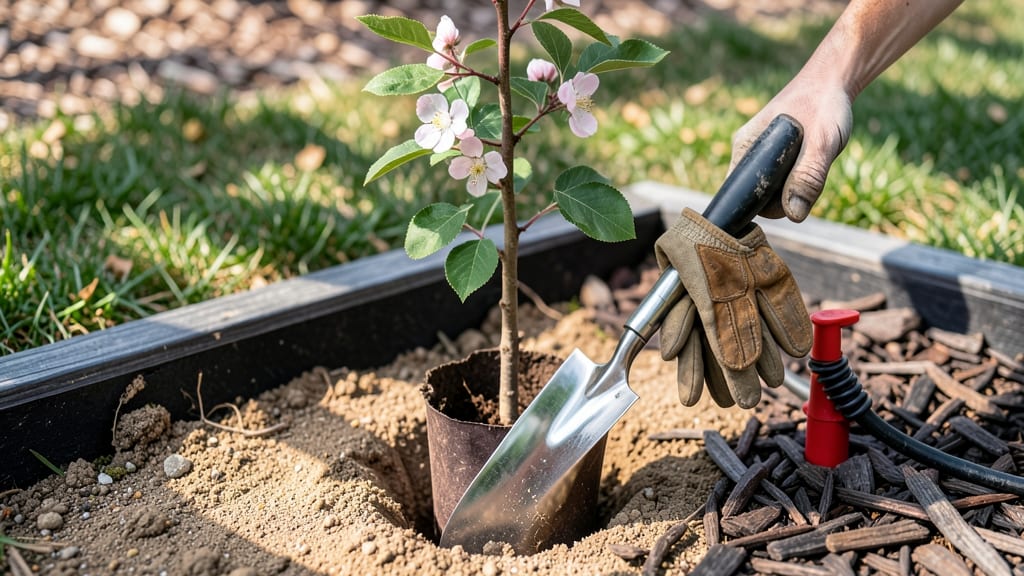
Planting your 🍎 apple tree at the wrong time in Arkansas could mean struggling with weak roots and disappointing harvests later—but getting the timing right sets you up for decades of fresh fruit.
With Arkansas’ unique mix of Zones 7a-8b, the best planting window is actually late winter to early spring, when the soil is workable but not frozen. This gives young roots 6-8 weeks to establish before summer heat arrives, which is exactly what Arkansas growers need for strong, resilient trees.
Many gardeners make the mistake of waiting too late in spring, only to watch their trees struggle with late frosts or dry soil.
I’ll show you how to time your planting perfectly, whether you’re in northern Arkansas (Zone 7) or the warmer southern regions (Zone 8), plus how to prepare your soil for maximum root growth.
Ready to plant with confidence? Let’s break down the exact steps—from choosing the right month to protecting your young tree—so you can enjoy a thriving orchard for years to come.
Best planting months for Arkansas apple trees by hardiness Zone (7 vs. 8)
Arkansas spans USDA Zones 7 and 8, creating distinct planting windows for apple trees. In Zone 7 (north AR), where last frosts hit around March 15, aim for February through early March planting. Zone 8 (south AR) can extend planting until late March due to milder winters.
Bare-root trees thrive best when planted while dormant but before buds swell. Arkansas’ clay-heavy soils benefit from pre-warming—wait until soil temps reach 45°F+ (test with a soil thermometer). This timing ensures roots establish before summer heat arrives.
For container-grown trees, flexibility exists—plant anytime soil isn’t frozen. However, spring planting (March-April) gives roots 6-8 weeks to establish before summer’s peak heat. Avoid planting in Zone 7 after April 15 due to late frost risks.
| Zone | Ideal Planting Window | Soil Temp Threshold | Key Consideration |
|---|---|---|---|
| 7a (North AR) | February 15 - March 15 | 45°F+ | Late frosts common; plant early |
| 7b (Central AR) | February 20 - March 20 | 45°F+ | Transition zone; monitor forecasts |
| 8a (South AR) | March 1 - March 31 | 50°F+ | Warmer soils; extend window |
| 8b (Southeast AR) | March 15 - April 15 | 50°F+ | Longest growing season; plant late |
📅 Pro Tip: Use Arkansas State University’s frost risk maps to adjust your planting date
Bare-root trees require immediate watering after planting to settle soil. In Arkansas’s Zone 7, where spring rains are unpredictable, mulch heavily with 4-6 inches of wood chips to retain moisture. For Zone 8, focus on shade cloth during summer’s peak heat to protect young bark.
If you miss the spring window, Arkansas’s fall planting (October-November) works for container-grown trees only. Avoid fall planting in Zone 7—roots won’t establish before winter dormancy. Always choose dwarf varieties like ‘Anna’ or ‘Dorsett Golden’ for Arkansas’s compact spaces.
Local nurseries often stock Arkansas-adapted varieties like ‘Ein Shemer’ (cold-hardy) or ‘Gala’ (heat-tolerant). Call ahead to confirm bare-root availability—these sell out fast in February. For container-grown trees, plant anytime soil is workable, but spring remains ideal.
Never plant apple trees in summer heat—transplant shock kills 70% of trees planted after May 1. Instead, prioritize root establishment during Arkansas’s cool, wet spring months. Use a soil thermometer to verify readiness—45°F+ is non-negotiable for root growth.
For urban gardeners, consider semi-dwarf varieties planted in raised beds to improve drainage. Arkansas’s clay soils can suffocate roots, so amend with compost and sand before planting. Always stake young trees in Zone 7—winter winds are brutal.
🌱 Remember: Arkansas’s microclimates vary wildly. A Zone 7 planting in the Ozarks may face 10°F colder nights than Little Rock’s Zone 8. Adjust your timing based on your specific location’s frost history, not just the zone.
How to time apple tree planting for maximum root growth in Arkansas’ climate
Arkansas’ climate—with its hot summers, humid springs, and unpredictable late frosts—demands precise timing for apple tree planting.
The key to strong root establishment lies in planting when soil temperatures hover between 40°F and 50°F, a window that aligns with late February to early April for most of the state.
This timing ensures roots grow actively before summer heat arrives, while avoiding the dormant season’s frozen ground of winter.
In Zone 7 (northern Arkansas), where frosts linger longer, aim for early March planting. For Zone 8 (southern Arkansas), you can push slightly earlier to late February, as warmer soils thaw faster.
The goal? 6-8 weeks before bud break—this gives roots time to anchor before new growth demands energy. Think of it like giving your tree a head start on photosynthesis before the real growing season kicks in.
Prepare Soil 4-6 Weeks Early
Test your soil’s pH (6.0-7.0 ideal) and amend with compost or aged manure to improve drainage. Arkansas’ clay-heavy soils benefit from gypsum or sand if compacted.
Plant When Soil is Workable
Use the finger test: If soil crumbles easily when squeezed (not sticky or powdery), it’s ready. Avoid planting if ground is frozen or waterlogged—roots suffocate in both cases.
Protect from Late Frosts
After planting, wrap the trunk with burlap and use row covers if Zone 7 frosts threaten in April. Mulch heavily (4-6 inches) to insulate roots from temperature swings.
One of my biggest mistakes early on was planting in mid-April—too late for Zone 7’s last frost window. My tree spent its first summer playing catch-up, and the roots never fully hardened off before winter.
Now, I mark my calendar for March 1st as the cutoff, with a backup date of April 15th only for Zone 8. This buffer accounts for Arkansas’ microclimates—like the cooler valleys of the Ozarks versus the warmer Delta regions.
For bare-root trees (most common in Arkansas nurseries), plant them as soon as they arrive—they’ve been dormant and can’t wait.
If you must delay, heap soil around the roots and store them in a cool, dark place (like a garage) until planting day. Container-grown trees, however, are more flexible and can handle spring planting through May, though they’ll need extra watering to compensate for their established root systems.
After planting, water deeply (15-20 gallons) to eliminate air pockets in the soil. Then, mulch with wood chips to retain moisture and regulate temperature. In Arkansas’s humid summers, this mulch layer also suppresses weeds and prevents soil-borne diseases from splashing onto the trunk.
I’ve seen trees planted without mulch in northern Arkansas suffer from root rot during our wet springs—a risk you can easily avoid.
Remember: Root growth peaks in Arkansas from April to June, so your tree’s first critical months are spring and early summer.
By planting in late winter/early spring, you’re aligning with nature’s timeline—giving your apple tree the best shot at deep, resilient roots before the heat of July slows everything down. 🌱💧☀️