
Plants
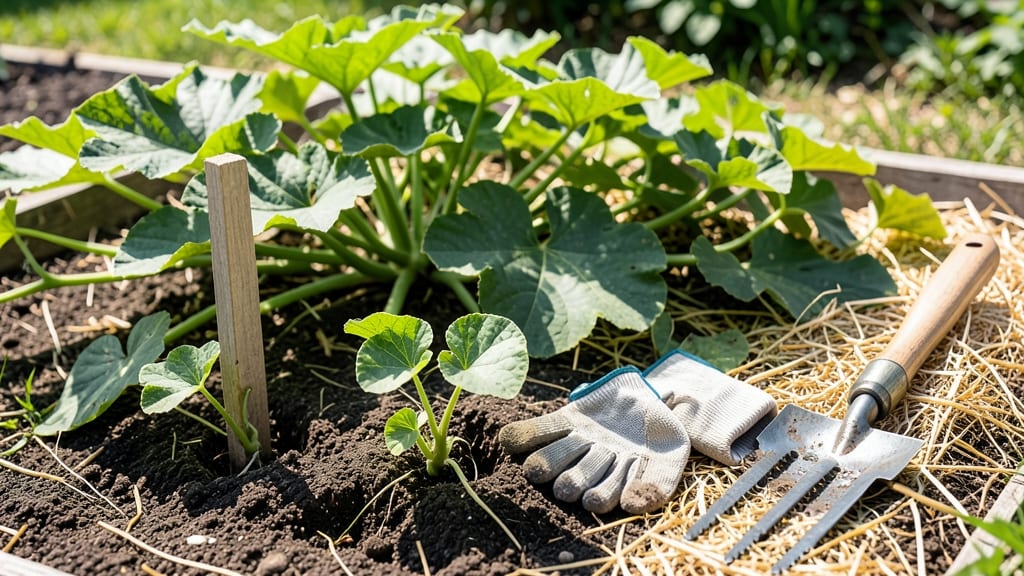
Planting acorn squash 🎃 in Florida at the wrong time means watching your hard work bolt into flowers before you even get a harvest. The key to success?
Timing it right—between March and April for spring or August to September for fall—when soil temperatures cooperate and heat stress stays at bay.
Florida’s long growing season gives you two chances to grow this versatile squash, but getting the timing off by even a few weeks can trigger bolting or stunted growth. Whether you’re starting seeds indoors or sowing directly, understanding your zone (9a-11) and frost-free window is the game-changer.
I’ve learned the hard way that skipping soil prep or rushing the transplant can turn your garden into a squash graveyard. But with the right schedule—plus tips on shade, watering, and variety selection—you’ll avoid those costly mistakes and enjoy a bountiful harvest from June to November.
Let’s break down the exact months to plant, how to prevent heat stress, and why some Florida gardeners swear by transplants over direct sowing. Ready to grow acorn squash like a pro?
Best months to plant acorn squash in Florida’s climate zones
Florida’s unique climate—with its long frost-free seasons and intense summer heat—means acorn squash thrives here, but timing is everything. Plant too early, and you risk bolting from cool soil; too late, and heat stress stunts growth.
The key is aligning your planting with soil temperatures (aim for 60-90°F) and USDA zones 8A-10A.
For most of Florida, spring planting (March-April) is ideal, while fall planting (August-September) works in cooler northern regions like Jacksonville or Tallahassee. Southern zones (e.g., Miami or Fort Lauderdale) can extend fall planting into October, but avoid summer sowing—heat above 95°F triggers bolting within weeks.
Here’s how to adapt your schedule by Florida’s microclimates:
| Zone | Best Planting Window | Soil Temp Requirement | Notes |
|---|---|---|---|
| 8A (North FL) | March 15–April 15 | 60–75°F | Fall option: August 1–15 |
| 9A (Central FL) | March 1–April 30 | 65–85°F | Fall option: July 15–August 30 |
| 10A (South FL) | February 15–April 15 | 70–90°F | Fall option: September 1–October 15 |
Direct sowing is easiest for Florida gardeners, but transplants give you a 2-week head start in cooler zones. Start seeds indoors 2–3 weeks before your target outdoor date using biodegradable pots to avoid root shock. Harden off seedlings for 5–7 days by gradually exposing them to afternoon sun.
Pro tip: Use a soil thermometer to confirm 60°F+ soil temps before planting. Cold soil delays germination and invites fungal diseases. In Zone 10A, where summer heat is relentless, opt for shade cloth (30–50%) during peak hours to protect young plants.
For fall harvests, prioritize fast-maturing varieties like ‘Table Queen’ (80-day harvest) over ‘Sweet Dumpling’ (100+ days). Plant seeds 1 inch deep, spacing them 3–4 feet apart to allow airflow and reduce powdery mildew risks—a common issue in Florida’s humid summers.
Adjust your schedule if unusual weather strikes. A late frost (rare in Florida but possible in Zone 8A) may push planting back to April 15, while a cool summer (like 2023’s) could extend fall planting into November for a winter harvest.
Remember: Acorn squash is a short-day plant, meaning it flowers when daylight shortens. In Florida’s long summer days, this means fall planting is your best bet for reliable blooms and fruit set. Start seeds 8–10 weeks before your first expected frost (even if it’s mid-December in northern FL).
🎃
Best months to plant acorn squash in Florida’s climate zones
Florida’s USDA zones 8A-10A mean you can grow acorn squash year-round, but timing is everything. The ideal window is March-April for spring and August-September for fall, when soil temps hover between 60-70°F. Planting outside these months risks bolting (premature flowering) or heat stress, which stunts growth.
For northern Florida (zones 8A-9A), aim for early March to avoid late-spring heat spikes. In central/southern Florida (zones 9B-10A), late February or early May works too—just monitor soil thermometers to confirm readiness. Always wait until nighttime temps stay above 55°F.
| Zone | Best Planting Months | Key Consideration |
|---|---|---|
| 8A-9A (North) | March-April | Avoid May heat; use shade cloth |
| 9B-10A (Central/South) | February or May | Monitor soil temps; mulch heavily |
| All Zones (Fall) | August-September | Harvest before first frost (Dec) |
Direct sowing is easiest for Florida gardeners, but seed-starting indoors 2-3 weeks before transplanting gives you a head start. Use biodegradable pots to avoid root disturbance. Harden off seedlings for 5-7 days before moving them to the garden, especially if transplanting in hotter months.
For fall harvests, plant in late summer (August-September) to avoid hurricane season disruptions. Choose heat-tolerant varieties like ‘Table Queen’ or ‘Sweet Dumpling’—they handle Florida’s 90°F+ days better than standard types. Always space plants 3-4 feet apart to prevent disease from poor airflow.
If you miss the ideal window, don’t panic! Late May or June plantings can still work if you use drip irrigation and shade cloth during peak afternoon heat.
Just expect a smaller harvest or smaller squash. The key is consistent soil moisture—never let the soil dry out completely, especially during flowering.
Pro tip: Test your soil’s pH (6.0-6.8) before planting. Florida’s sandy soils often need compost or aged manure to retain moisture. A 2-inch layer of mulch keeps roots cool and reduces watering needs by 30%. 🌱