
Plants
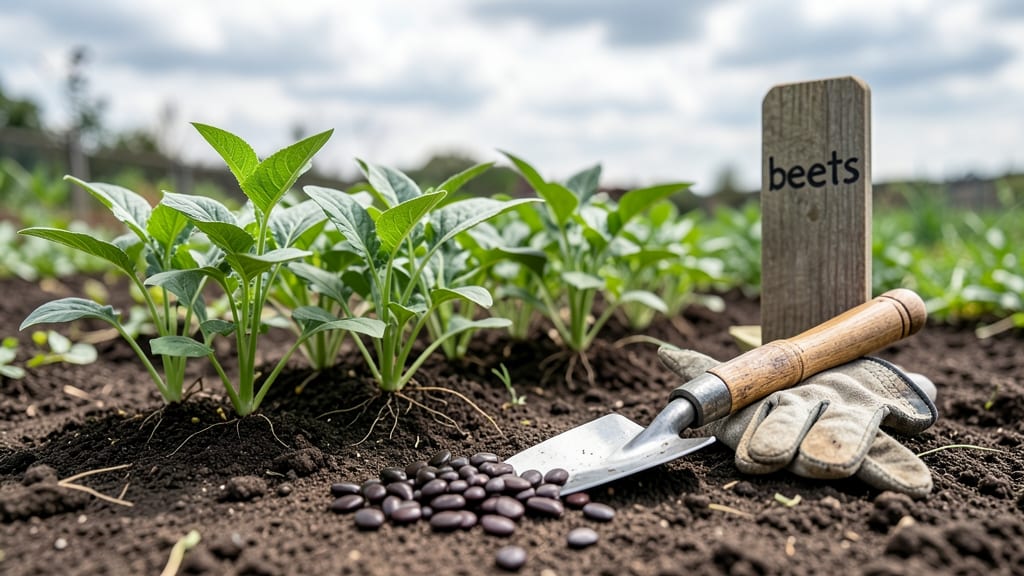
Planting beets at the wrong time in Zone 7b can turn your sweet harvest into bitter disappointment—especially when they bolt too early or develop tough, woody roots.
The key to growing tender, flavorful 🍠 beets lies in knowing the exact weeks to sow seeds, whether you're aiming for spring or fall crops.
In Zone 7b, where last frosts hover around mid-March and first frosts arrive by mid-November, timing matters more than you might think. Skip the guesswork and learn the optimal planting windows that keep your beets thriving from March through November—without the common mistakes that sabotage gardens.
Whether you're a first-time gardener or a seasoned green thumb, this guide breaks down the perfect timing for both spring and fall plantings, including how to stretch your harvest season while avoiding bolting. Let’s get those seeds in the ground at the right moment for a bumper crop!
Ready to transform your garden into a beet bonanza? I’ll walk you through the step-by-step schedule that’s worked for Zone 7b growers—so you can enjoy fresh, homegrown beets all season long.
Optimal planting windows for beets in Zone 7b (with bolting prevention)
In Zone 7b, beets thrive when planted during two key windows: early spring and late summer. These timings align with soil temperatures and daylight changes to prevent bolting—when beets prematurely flower and develop woody roots.
My best harvests come from planting in March-April for spring crops and August-September for fall harvests, avoiding the heat stress that triggers bolting.
The last average frost date in Zone 7b is around March 15, but I always wait until soil temperatures reach at least 45°F (7°C) before sowing seeds. Cold soil slows germination and can lead to rot.
For fall planting, aim to harvest before the first frost (November 15), giving roots time to mature without exposure to freezing temperatures.
Bolting prevention is critical in Zone 7b’s long, hot summers. Beets bolt when exposed to temperatures above 80°F (27°C) for prolonged periods or when day lengths exceed 14 hours. My trick? Plant shade-tolerant varieties like 'Detroit Dark Red' and use row covers during heatwaves to keep soil temps cool and extend the harvest window.
| Planting Window | Soil Temp | Daylight Hours | Bolting Risk | Harvest Time |
|---|---|---|---|---|
| Early Spring (March-April) | 45-65°F (7-18°C) | 12-14 hours | Low (cool temps) | May-June |
| Late Summer (August-September) | 60-75°F (15-24°C) | 13-14 hours | Moderate (heat stress) | October-November |
| Succession Planting (May-July) | 50-70°F (10-21°C) | 14-15 hours | High (day length) | July-September |
For spring planting, I start seeds indoors 4-6 weeks before the last frost (around February 15) to get a jump on the season. Transplant seedlings outdoors when they’re 2-3 inches tall and soil is workable.
In my garden, I mark the March 1-April 15 window as ideal for direct sowing, as this gives roots enough time to mature before summer heat sets in.
Fall planting requires more precision. I begin sowing late August for a harvest before frost, but I also make weekly succession plantings through early September. This staggered approach ensures a steady supply of fresh beets.
Use black plastic mulch to warm the soil in early fall, which helps speed up germination in cooler temperatures.
One common mistake I’ve seen in Zone 7b gardens is planting beets too close to summer solstice (June 21). By then, day lengths exceed 14.5 hours, triggering bolting within weeks.
Instead, I focus on early summer succession plantings of fast-maturing varieties (like 'Babybeat' or 'Early Wonder'), which can reach harvest size in 45-50 days before heat stress becomes an issue.
To stretch your harvest, consider interplanting beets with other crops like lettuce or radishes. These shallow-rooted companions don’t compete for space and can be harvested before beets need full attention.
I also reserve a small patch for late-season varieties like 'Chioggia' (striped beets), which tolerate cooler fall temps better than others.
Monitor your beets closely for early bolting signs: elongated stems, yellowing leaves, or flower stalks. If you catch it early, you can often harvest the roots immediately or shade the plants with a 30% shade cloth to reduce stress.
In my experience, consistent moisture (1 inch per week) and even soil temps are the best defenses against bolting in Zone 7b’s unpredictable climate.
For gardeners in Zone 7b, the key takeaway is timing + variety selection. Plant early spring and late summer, choose heat-tolerant varieties, and use shade or mulch to manage temperature spikes.
With this approach, you’ll enjoy sweet, tender beets from May through November—without the frustration of bolting or poor harvests.
Optimal planting windows for beets in Zone 7b (with bolting prevention)
In Zone 7b, beets thrive when planted during two key windows: early spring and late summer. The goal is to avoid bolting (premature flowering) and heat stress, which turn sweet roots woody.
My best results come from starting seeds when soil temps hit 45°F—just after your last frost date (typically mid-March).
For a fall harvest, aim to plant seeds by late August to allow roots to mature before first frost (around mid-November). This timing ensures beets develop fully without bolting from summer heat. I’ve found that succession planting every 2-3 weeks stretches harvests from May through October.
📅 Zone 7b Beet Planting Calendar
| Season | Planting Window | Soil Temp | Harvest Window |
|---|---|---|---|
| Spring | Mid-March to early April | 45-65°F | May-June |
| Fall | Late August to early September | 60-70°F | October-November |
To prevent bolting, I always use shade cloth (30-50%) during late spring heat waves (May-June). This trick buys time for roots to bulk up before summer’s intensity peaks.
For fall plantings, I opt for heat-tolerant varieties like ‘Detroit Dark Red’ or ‘Golden’—they handle Zone 7b’s late-summer warmth better than standard types.
Another pro tip: Direct-sow seeds instead of transplanting. Beets hate root disturbance, and seedlings struggle to establish after transplanting. My garden’s best beet patches come from seeds sown ½ inch deep in loose, compost-rich soil with full sun exposure.
I’ve even had success growing beets under dappled shade from fruit trees—just expect slightly slower growth.
Watch for soil moisture during germination. Keep it consistently damp (not soggy) until seedlings emerge. Once they’re up, reduce watering to 1 inch per week to encourage root development. Overwatering leads to bolting or split roots—both dealbreakers for sweet harvests.
For a continuous supply, I stagger plantings every 2 weeks from March through September. This way, I always have fresh beets ready to harvest while avoiding the woody texture that comes from overmature roots.
The key is balance: plant early enough for full growth but late enough to dodge frost damage.