
Planting
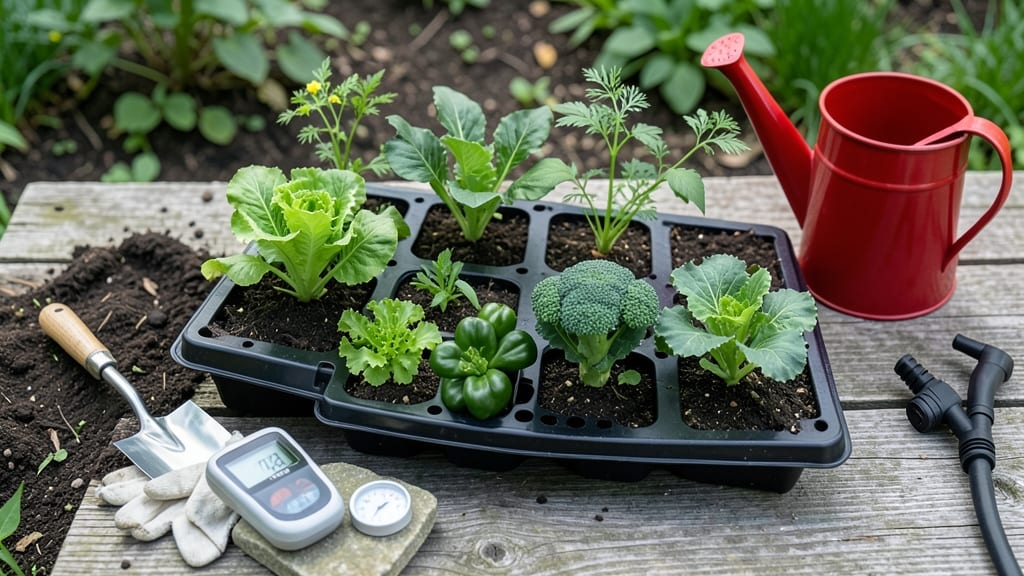
Planting a vegetable garden in California isn’t one-size-fits-all—coastal fog, desert heat, and mountain chill all demand different timing. Miss the window, and your tomatoes could bolt in the desert or your greens freeze in the Sierra foothills. But get it right, and you’ll harvest year-round in the right microclimate.
California’s 5a-11 zones mean your neighbor’s perfect schedule might ruin your crop. Coastal gardeners in Zone 10 can plant lettuce in January, while Central Valley growers wait until March to avoid frost. Even within cities, microclimates shift planting dates—30 days can separate success from failure.
I’ll break down the exact dates for your region, from coastal fog belts to high-desert valleys, plus how to adjust for elevation and urban heat islands. Whether you’re sowing seeds indoors or transplanting seedlings, these seasonal secrets will maximize your harvest—no guesswork, just results.
Ready to grow smarter? Let’s dive into the perfect planting calendar for your California 🌱 vegetable garden, so you’re never left wondering why your plants aren’t thriving.
California planting zones by region: exact start dates to avoid frost damage
California’s vegetable planting calendar isn’t one-size-fits-all—it’s split into three distinct climate zones, each with unique frost dates and ideal start times. Whether you’re in frost-free coastal areas, the Central Valley’s hot summers, or the High Sierra’s short growing season, timing is everything.
Let’s break down the exact windows for planting cool-season crops (like broccoli and spinach) versus heat-lovers (like tomatoes and peppers).
For coastal regions (e.g., San Francisco, Santa Barbara), you can plant almost year-round thanks to USDA Zone 10’s mild winters. But inland areas like Sacramento or Fresno (Zone 9) face late-winter frosts, while desert regions (e.g., Palm Springs) have earlier frost-free dates than you’d expect.
High elevations like Lake Tahoe (Zone 5) are a whole different ballgame—wait until June for warm-season crops!
🌱 Pro Tip: Use local frost dates (not just USDA zones) to time your plantings. For example, Los Angeles (Zone 10) rarely sees frost, but San Joaquin Valley can drop below 32°F as late as March 15.
| Region | USDA Zone | Last Frost Date | First Frost Date | Best Time to Plant Cool Crops | Best Time for Warm Crops |
|---|---|---|---|---|---|
| Coastal (SF, LA, Santa Barbara) | 10 | None (Year-Round) | None (Year-Round) | Jan–Dec (Succession Planting) | Feb–Nov (Tomatoes, Peppers) |
| Central Valley (Sacramento, Fresno) | 9 | Feb 15–Mar 15 | Nov 15–Dec 15 | Sep–Nov & Feb–Apr | Apr–Sep (Peak Heat) |
| Desert (Palm Springs, Phoenix) | 9b–10 | Feb 1–Feb 15 | Dec 15–Jan 1 | Oct–Mar (Cool Winters) | Mar–Oct (Avoid Summer Heat) |
| High Sierra (Lake Tahoe) | 5 | Jun 1–Jun 15 | Sep 1–Oct 1 | May–Jul (Short Window) | Jul–Aug (Only Heat-Lovers) |
If you’re in coastal California, you can start cool-season crops like kale or peas as early as January—they’ll thrive in mild winter temps. But in the Central Valley, hold off until mid-February to avoid late frosts that can kill tender seedlings.
For desert regions, focus on fall planting (October–November) to escape summer’s scorching heat, while High Sierra gardeners must work with a shorter, cooler season.
🌡️ Key Insight: Soil temperature matters more than air temp—wait until soil reaches at least 60°F for warm crops like cucumbers or beans. Use a soil thermometer to check before planting!
For heat-sensitive crops (e.g., lettuce, spinach), plant in fall for a second harvest—this avoids summer bolting (when greens go to seed prematurely).
Meanwhile, tomatoes and peppers love long, hot days, so Central Valley gardeners can plant them as early as March, while coastal growers wait until April to avoid chilly ocean breezes.
💡 Local Resource: Check the UC Master Gardener Program’s frost maps for hyper-local data—some urban heat islands (like downtown LA) can be 5–10°F warmer than surrounding areas, extending your growing season!
Finally, succession planting is your secret weapon. In coastal zones, you can plant lettuce every 2 weeks from January to November. Inland, stagger plantings of carrots or radishes every 3–4 weeks to ensure a continuous harvest without gaps.
The key? Know your region’s last frost date and plan backward from your first harvest goal.
✂️ Action Step: Mark your calendar with 3 critical dates:
- Last frost date (when to plant warm crops)
- First frost date (when to harvest cool crops)
- Soil warming date (when to plant heat-lovers like eggplant).
How to adjust planting times for your specific microclimate (even within cities)
Even within the same city, your neighbor’s garden might have a completely different schedule than yours. A sun-baked urban heat island in downtown LA can be 10°F warmer than nearby hills, while a foggy coastal pocket in Santa Cruz might delay planting by 4–6 weeks.
The key? Fine-tune your timing based on elevation, microclimates, and urban heat effects—not just your ZIP code.
Start by checking your exact microclimate. A north-facing backyard in Sacramento gets less sun than a south-facing one, while a valley garden warms up faster than a mountain slope. Even rooftop gardens in San Diego can experience faster heat buildup than ground-level plots.
Use a free online microclimate map (like the UC Master Gardener Program’s tools) to identify hotspots and cool pockets in your area.
🌡️ Quick Test: Place a thermometer in your garden for a week—compare temps in full sun vs. shade. If your soil heats to 65°F by March 15 (instead of April 1), you can plant warm-season crops like peppers earlier than the general guideline.
5 Microclimate Adjustments for Perfect Timing
- 📍 Elevation: Add 1 week per 300 ft of elevation. A Santa Cruz mountain garden at 1,000 ft might plant tomatoes 3 weeks later than sea-level plots.
- 🏙️ Urban Heat: Downtown areas plant 2–4 weeks earlier for heat-lovers (e.g., eggplant) due to warmer microclimates.
- 🌫️ Fog Belts: Coastal fog delays planting by 3–6 weeks. In San Francisco’s foggy zones, wait until mid-April for tomatoes instead of March.
- 🌳 Wind Exposure: Windy areas (e.g., coastal bluffs) need row covers to protect seedlings—plant 2 weeks earlier to account for slower growth.
- 🏡 Building Shade: Gardens near tall buildings get less sun—opt for shade-tolerant crops (e.g., bush beans, Swiss chard) or plant 1 month later for sun-lovers.
Use row covers or cold frames to extend your season in tricky microclimates. For example, in coastal San Diego, a lightweight frost blanket lets you plant spinach in December instead of waiting for January.
In desert regions like Palm Springs, shade cloth protects seedlings from scorching afternoon sun, letting you start warm crops in February instead of March.
💡 Pro Tip: Monitor soil temperature with a $10 thermometer—it’s more accurate than air temp. Warm crops (tomatoes, peppers) need soil at 60°F+, while cool crops (lettuce, carrots) thrive in 50–65°F.
If your soil is too cold, wait 1–2 weeks or use black plastic mulch to warm it faster.
For urban gardeners, container growing gives you flexibility—move pots to sunnier spots or sheltered areas as needed. If your balcony gets afternoon shade, choose fast-maturing varieties (e.g., bush beans in 50 days) or partial-shade crops like kale.
In high-desert areas, drip irrigation keeps soil cool for seedlings during daytime heat.
✂️ Action Checklist:\n1. Test your microclimate with a thermometer for a week.\n2. Adjust planting dates by ±2 weeks based on your findings.\n3. Use row covers to protect seedlings in windy/foggy areas.\n4. Stagger plantings every 2 weeks for continuous harvests.\n5. Switch to shade-tolerant crops if your spot gets less than 6 hours of sun.
🌱 Remember: Your microclimate is unique—don’t rely on neighbor’s advice or generic USDA zone guidelines. With these tweaks, you’ll harvest year-round, even in the same city as someone else!