
Planting
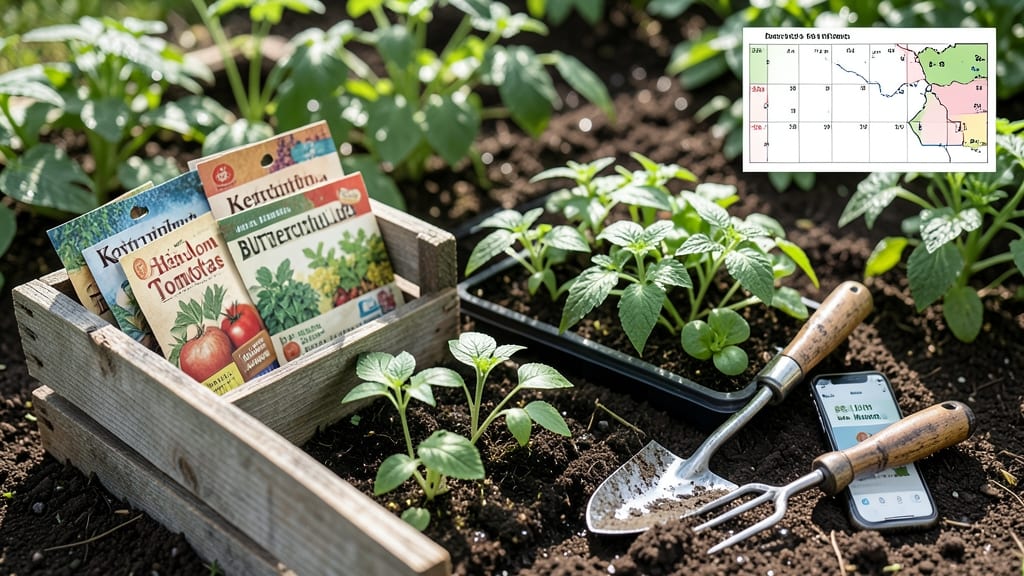
Planting a garden in Kentucky at the wrong time can mean the difference between a lush harvest and wasted seeds—especially when last frost dates shift between Zone 7b and Zone 8a.
The key isn’t just waiting for spring; it’s knowing exactly when soil warms and frost risks fade, so you can start cool-season crops early and warm-season plants at the perfect moment.
With Kentucky’s humid summers and mild winters, your planting window stretches from late February to early October, but timing varies wildly by crop.
I’ll break down the ideal months for everything from leafy greens to tomatoes, plus how to adjust for microclimates like Louisville’s urban heat islands or the cooler Appalachian foothills.
Missed the spring window? No problem—Kentucky’s fall planting season (August–September) is just as productive. We’ll cover how to stretch your harvest by using row covers, mulch, and other tricks to beat the mid-October frost that signals the end of the growing season.
Whether you’re a first-time gardener or a seasoned pro, these zone-specific deadlines will help you avoid common mistakes—like planting tomatoes too early or lettuce too late. Let’s get your garden thriving on schedule.
Kentucky’s frost-free planting deadlines by Zone (7b vs 8a)
Kentucky’s gardening calendar hinges on two critical dates: the last spring frost (typically mid-April for Zone 7b and early April for Zone 8a) and the first fall frost (usually mid-October statewide).
These dates define your planting windows, but microclimates—like Louisville’s urban heat islands or the cooler Appalachian foothills—can shift them by 2–3 weeks. For example, Lexington (Zone 7a) often sees frost 3–5 days earlier than Louisville (Zone 7b).
To avoid frost damage, I recommend checking the Kentucky Mesonet or your local Cooperative Extension Service for real-time updates. Even a single night below 32°F can devastate tender seedlings like tomatoes or peppers, so don’t rush—wait until soil temperatures hit at least 60°F for warm-season crops.
For cool-season plants (e.g., spinach, broccoli), you can start 4–6 weeks before the last frost indoors or under row covers.
Here’s the breakdown of your ideal planting windows by zone and season, tailored to Kentucky’s climate:
Zone 8a areas (like Paducah or Bowling Green) enjoy a 2–3 week longer growing season than Zone 7b, but don’t let that fool you into planting too early.
For instance, tomatoes planted in early April in Zone 8a risk frost damage if temperatures dip unexpectedly. Always cross-reference with USDA Plant Hardiness Zone maps and local weather trends.
Pro tip: Use biodegradable row covers to push your spring planting window 2–4 weeks earlier for crops like cabbage or kale. These covers create a microclimate that traps heat and protects against light frosts (down to 28°F).
I’ve seen gardeners in Northern Kentucky start spinach as early as late February with this method—just remove the covers when plants bolt or flower.
For fall planting, focus on fast-maturing crops like radishes (30 days) or bush beans (50 days) to ensure harvest before the mid-October frost.
If you’re ambitious, try overwintering greens like kale or swiss chard with a thick layer of straw mulch—they’ll survive light frosts and reward you with spring harvests.
One common mistake I see is planting warm-season crops too late. For example, peppers need 90–120 days to mature, so planting them after June 1st in Zone 7b means you’ll miss the harvest window.
Stick to early June for peppers and late July for succession plantings of basil or <
Best vegetables and flowers to plant in Kentucky’s spring and fall
Kentucky’s Zone 7b and 8a climates let you grow a year-round harvest with the right timing. Spring planting starts in late February to April, while fall crops thrive from August to September.
I’ll break down the best cool-season vs warm-season crops for each window, plus which flowers add color without competing for nutrients.
For spring gardens, focus on cool-season vegetables like broccoli, spinach, and peas that tolerate 50–60°F soil. Warm-season favorites—tomatoes, peppers, and basil—need to wait until after the last frost (usually mid-April) when soil hits 60°F+.
In fall, you can replant many spring crops, plus hearty greens like kale and radishes.
🌱 Pro Tip: Use succession planting to stagger harvests. For example, sow lettuce every 2 weeks from April to July for a steady supply. Flowers like marigolds and zinnias thrive in Kentucky’s heat and repel pests—plant them alongside veggies for a dual-purpose garden.
| Season | Crop Type | Best Varieties for KY | Planting Window |
|---|---|---|---|
| Spring | Cool-Season Veggies | Broccoli (Waltham 29), Spinach (Bloomsdale), Peas (Sugar Snap) | Late Feb–April |
| Spring | Warm-Season Veggies | Tomatoes (Celebrity), Peppers (Jalapeño), Basil (Genovese) | After last frost (mid-April) |
| Fall | Cool-Season Veggies | Kale (Winterbor), Radishes (Cherry Belle), Lettuce (Romaine) | August–September |
| Year-Round | Flowers | Marigolds (French), Zinnias (Profusion), Pansies (Cool Wave) | Spring/Fall (direct sow); Summer (transplant) |
If you’re new to Kentucky gardening, start with easy-to-grow crops like bush beans or zucchini, which thrive in Zone 8a’s heat. For flowers, marigolds are a must—they deter pests and bloom all summer. In Zone 7b areas (like northern KY), opt for earlier-maturing varieties to avoid fall frosts.
🌿 Key Takeaway: Spring = cool crops first, then warm; Fall = repeat cool crops. Use mulch to protect fall plants from early October frosts, and always check soil temps with a thermometer—it’s more reliable than guesswork!
For a continuous harvest, interplant fast growers (like radishes) with slow ones (like carrots). And don’t forget herbs—basil and cilantro love Kentucky’s summers, while parsley and chives handle cooler springs and falls. With this schedule, you’ll have fresh produce from March to November!