
Companion Plants
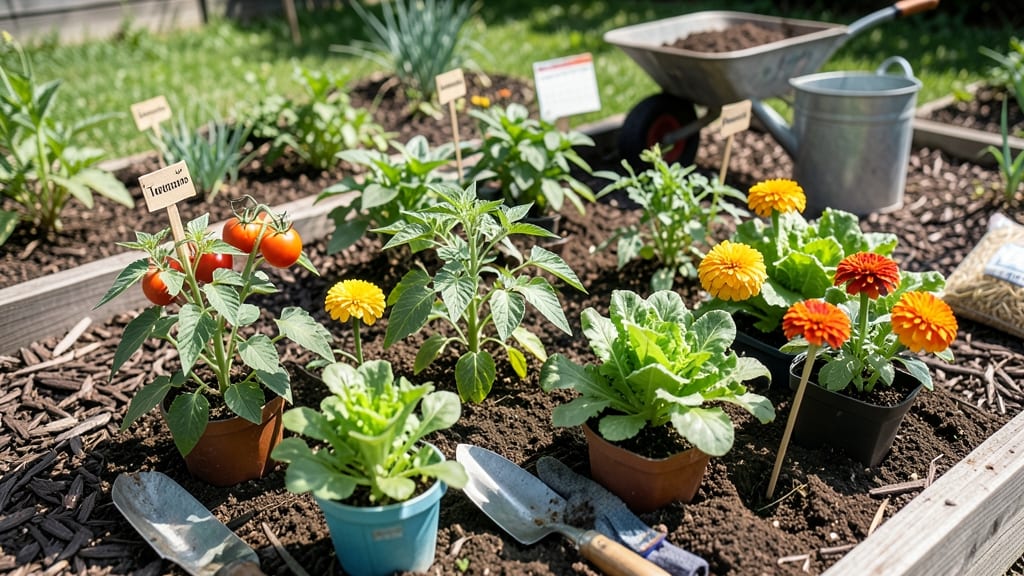
Planting a garden in Cleveland, Ohio, isn’t just about grabbing seeds and digging in—it’s about mastering the timing to beat the city’s unpredictable frost and lake-effect weather.
With last frosts lingering around April 15 and first frosts creeping in by October 15, a short growing season means every week counts.
You might be tempted to rush spring planting, but waiting until soil warms to 60°F (usually mid-May) is the game-changer for heat-loving crops like tomatoes and peppers. Meanwhile, fall vegetables like kale and carrots 🥕 thrive when planted by August 1—giving them time to mature before winter sets in.
Cleveland’s microclimates add another layer: urban areas stay warmer, while rural spots near Lake Erie can get chilly faster. That’s why I’ll break down the exact months to plant everything from cool-season greens to summer blooms, plus how to adjust for your specific corner of the city.
Whether you’re a first-timer or a seasoned gardener, this guide will help you avoid costly mistakes and maximize your harvest—no more wilted dreams, just thriving plants. Let’s get started.
Cleveland Ohio planting calendar: best months by plant type
Cleveland’s USDA Zone 6a/6b climate means we enjoy a 165-day frost-free season, but timing is everything. The last average frost date is April 15, while the first frost typically arrives October 15.
Planting too early risks frost damage, while waiting too long shortens your harvest window. Understanding these dates helps you align your garden with Cleveland’s short but productive growing season.
For cool-season crops like spinach, lettuce, and peas, start seeds indoors in March or sow directly in early April. These hardy plants tolerate light frosts and even thrive in 50-60°F soil temperatures.
Meanwhile, warm-season favorites such as tomatoes, peppers, and beans need to wait until after May 15, when soil temperatures consistently reach 60°F+.
Fall planting is equally critical—August 1 marks the ideal start for late-season crops like kale, broccoli, and carrots. These plants benefit from cooler fall temperatures and can often be harvested well into October or November before frost sets in.
With careful planning, you can enjoy a double harvest in a single season!
🌱
| Plant Type | Ideal Planting Months | Soil Temp Requirement | Notes |
|---|---|---|---|
| Cool-Season Vegetables | March-April (spring) / August (fall) | 45-60°F | Spinach, lettuce, peas, broccoli |
| Warm-Season Vegetables | May 15-June 15 | 60°F+ | Tomatoes, peppers, beans, cucumbers |
| Herbs | April-May (spring) / July-August (fall) | 50-65°F | Basil, parsley, cilantro (avoid frost) |
| Annual Flowers | May-June (spring) / July (fall) | 55°F+ | Marigolds, zinnias, sunflowers |
| Perennials | April-May (spring) | 50°F+ | Peonies, lavender, daylilies |
For warm-season vegetables, timing is critical—plant too early, and they’ll linger in cold soil, stunting growth. Tomatoes, for example, need consistent warmth to thrive, so wait until late May when nighttime temperatures stay above 55°F.
Start seeds indoors in March for a head start, then transplant seedlings after the last frost.
Herbs like basil and cilantro are finicky in Cleveland’s climate. Basil hates frost and bolts in heat, so plant it after Memorial Day in a sunny, sheltered spot.
Cilantro, meanwhile, bolts quickly—sow it in early spring or late summer for the best results. Parsley is more forgiving and can handle cooler temps, making it a great early spring or fall crop.
Don’t overlook fall planting—it’s your secret weapon for extending the season. Crops like kale and carrots actually sweeten in frost, making them perfect for late harvests. Plant broccoli in early August for a
How to adjust planting times for Cleveland’s microclimates
Cleveland’s diverse microclimates can make planting feel like a guessing game. The city’s urban heat islands trap warmth near downtown, while areas near Lake Erie experience cooler lake-effect breezes.
Even neighborhoods just a few miles apart can have 1-2 week differences in frost dates—meaning your neighbor’s tomato plants might thrive while yours struggle. Understanding these variations helps you time plantings perfectly for your specific location.
For example, downtown Cleveland often sees earlier last frosts (around April 10-15) due to heat retention, while rural areas in Geauga County might not warm up until May 1-5.
The Cuyahoga Valley National Park region can be 5-10°F cooler than nearby urban zones, delaying planting by 1-2 weeks. If you’re unsure about your microclimate, check local weather stations like the Cleveland Hopkins Airport or Lake County Airport for historical frost data.
Areas within 3 miles of Lake Erie (like Edgewater or Collinwood) can experience unexpected late frosts due to lake breezes. Wait until May 10-15 to plant heat-loving crops like peppers or eggplants in these zones. Use row covers for early plantings to protect against 32°F+ dips.
🌧️ Pro Tip: Monitor NOAA Lake Erie forecasts for wind patterns that bring cold air inland.
Elevation also plays a role—higher areas like the Cuyahoga Valley or Parma** can have cooler soil temperatures by 2-3°F. Test your soil with a soil thermometer before planting; most warm-season crops need soil at 60°F+.
If your soil is still below 50°F in May, delay planting or use black plastic mulch to warm it faster.
Urban gardens in brick-paved neighborhoods (like Ohio City) may warm up faster than grassy areas, but they also dry out quicker. Amend soil with compost to retain moisture and consider drip irrigation to prevent stress.
Meanwhile, wooded areas (like Shaker Lakes) stay cooler longer—ideal for cool-season crops but risky for tomatoes unless you use season extenders.
To extend your growing season, use row covers (like Reemay fabric) to push spring plantings 2-3 weeks earlier or cold frames to start hardy greens in March.
For fall, low tunnels can protect crops until November 1-15, adding 4-6 extra weeks of harvest. Just remember: Remove covers during hot days to avoid overheating.
Start by mapping your garden’s microclimate: Note sun exposure, wind patterns, and nearby water bodies. Adjust planting dates by 1-2 weeks based on your observations. With these tweaks, you’ll outsmart Cleveland’s quirks and enjoy a longer, more productive garden—no matter where you live in the city. 🌱