
Companion Plants
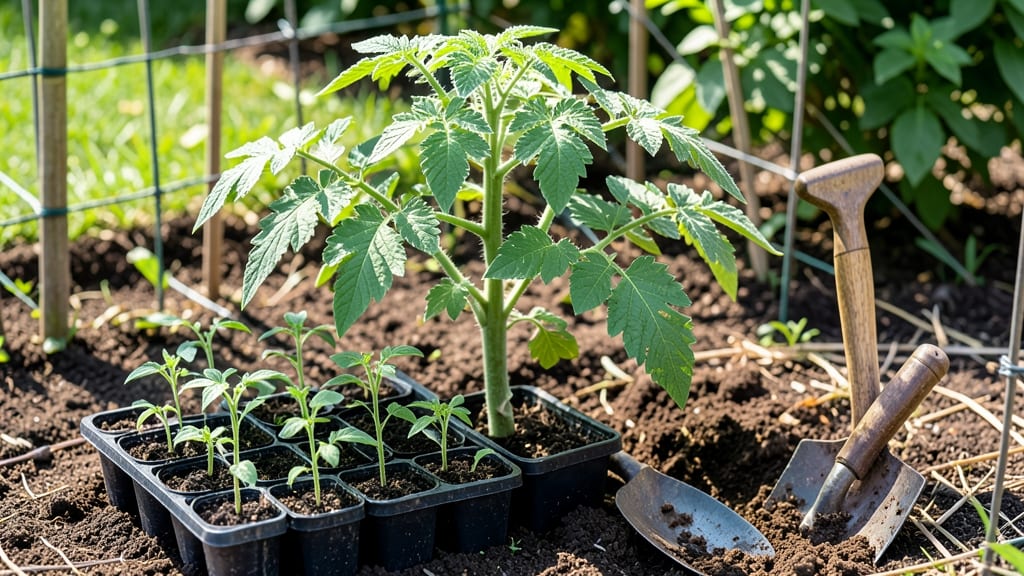
Planting tomatoes in Pennsylvania isn't just about grabbing seedlings and sticking them in the ground—it's about timing your 🍅 harvest to avoid frost or missed flavor.
The difference between a thriving garden and a sad, wilted disappointment often comes down to knowing exactly when to start seeds indoors or transplant outdoors.
With Pennsylvania's 6a-7a climate, you've got roughly 165 frost-free days to work with, and getting those tomatoes in the ground too early can mean lost plants.
Whether you're a first-time gardener or a seasoned green thumb, understanding your local microclimate—from Pittsburgh's urban heat islands to the cooler mountain regions—is key to success.
I'll walk you through the ideal planting windows, soil temperature thresholds, and how to adjust for your specific corner of the state. Plus, you'll learn how to spot those sneaky late frosts that can ruin your hard work.
Let's make sure your tomato plants get the perfect start for a bountiful summer harvest.
From choosing the right varieties for your growing season to extending your harvest with smart techniques, this guide covers everything you need to know. Get ready to enjoy homegrown tomatoes that taste better than anything you'll find in a store!
Pennsylvania tomato planting deadlines by hardiness Zone (5a-7a)
Pennsylvania spans USDA zones 5a to 7a, meaning frost dates vary dramatically—from late April in southern regions like Harrisburg to early June in mountainous areas like Poconos. Your planting window hinges on soil temperature (minimum 60°F) and nighttime lows (above 50°F).
Check local last frost averages from Penn State Extension before committing to a schedule.
For southern PA (zones 6b-7a), like Pittsburgh or Philadelphia, aim for April 15–May 1—the risk of frost drops to 10% after these dates.
In central PA (zone 6a), wait until May 1–15 to avoid late frosts. Northern PA (zones 5a-5b), including Erie or Scranton, should delay until May 15–June 1 due to colder microclimates.
Here’s the critical rule: Never plant outdoors until you’ve confirmed soil warmth and stable temperatures. A soil thermometer ($10 at garden centers) is your best tool—tomatoes wilt dramatically in 50°F soil.
🌱
| Zone | Last Frost Avg. | Safe Planting Window | Soil Temp Threshold | Key Risk |
|---|---|---|---|---|
| 5a (Poconos, NE PA) | May 15–June 1 | June 1–15 | 60°F+ | Late frosts, short season |
| 6a (State College, Altoona) | April 20–May 5 | May 15–June 1 | 60°F+ | Unpredictable spring swings |
| 6b (Harrisburg, Lebanon) | April 10–20 | April 25–May 10 | 58°F+ | Urban heat islands delay frost |
| 7a (Pittsburgh, Philadelphia) | April 1–10 | April 15–May 1 | 55°F+ | Humidity increases disease risk |
If you’re starting seeds indoors, begin 6–8 weeks before your last frost date. For zone 5a, that’s mid-March; for zone 7a, late February. Use grow lights to prevent leggy seedlings—natural light alone won’t cut it in PA’s short days.
Pro tip: Hardening off seedlings (acclimating them to outdoor temps) takes 7–10 days. Rush this step, and your transplants shock easily. Test readiness by placing seedlings outside for 2–3 hours/day, increasing daily.
For direct-sown tomatoes (like heirlooms), wait until soil is 60°F+ and nighttime temps are consistently above 50°F. Use black plastic mulch to warm soil faster—it can add 2–3°F to root zones, speeding up germination.
🌡️
Watch for false springs—those warm spells in March that trick you into planting early. If nighttime temps dip below 50°F after planting, cover seedlings with frost blankets or move pots indoors temporarily. Cold damage stunts growth and invites disease.
Penn State Extension’s Frost Free Date Map is your best resource for localized data. Bookmark it and check weekly in spring—microclimates (like valleys or urban areas) can shift frost dates by 1–2 weeks.
Best tomato varieties for Pennsylvania’s short vs. long seasons
Pennsylvania’s diverse climate—from the cool northern mountains to the warmer southern valleys—means not all tomato varieties thrive equally. Short-season areas (like Zone 5a) need fast-maturing types, while longer growing zones (like Zone 7a) can handle heat-tolerant or larger-fruited heirlooms.
Choosing the right variety ensures a bountiful harvest before frost strikes.
For northern PA, prioritize early-maturing hybrids (60–70 days) that resist blight and cold snaps. Southern PA gardeners can experiment with heat-tolerant or indeterminate varieties that produce fruit well into fall. Let’s break down the best options for your microclimate.
🌱 Short-Season Varieties (Zones 5a-6a)
✅ 70 days
🌡️ Cold-hardy
🍅 Cherry tomatoes
✅ 72 days
🛡️ Disease-resistant
🍅 Beefsteak
✅ 50 days
🌱 Fastest hybrid
🍅 Slicing
🔥 Long-Season Varieties (Zones 6b-7a)
✅ 75 days
☀️ Heat-tolerant
🍅 Cherry
✅ 85 days
🍷 Heirloom flavor
🍅 Beefsteak
✅ 68 days
🛡️ Disease-resistant
🍅 All-purpose
If you’re in Zone 5a, stick to determinate varieties like Mountain Merit—they produce fruit in a single flush, perfect for beating early frosts. Indeterminate types (like Brandywine) are better for Zones 6b-7a, where they’ll keep producing until frost.
Pro tip: Check Penn State Extension’s variety trials for localized performance data.
For urban gardeners in Pittsburgh or Philadelphia, heat-tolerant varieties like Solar Fire shine in microclimates with urban heat islands. Meanwhile, mountain regions (e.g., Poconos) benefit from cold-resistant heirlooms like Stupice, which handle cooler nights better than most hybrids.
Always match your planting window to your variety’s maturity date. A 60-day tomato planted on May 1 in Zone 5a should be ready by July 1, just before late-summer heat peaks. Succession planting every 2 weeks ensures continuous harvests.
Remember: Soil health and sun exposure matter just as much as variety choice. Amend your soil with compost and ensure full sun (6+ hours) to maximize yield, regardless of the tomato type you pick. 🌱