
Plants
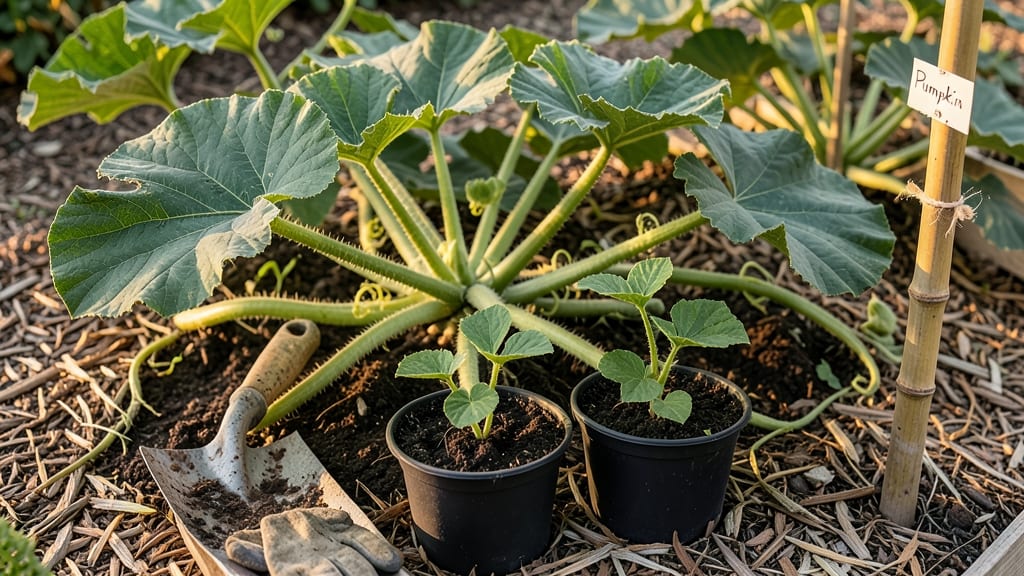
Timing your pumpkin planting in Indiana isn't just about throwing seeds into the dirt—it's the difference between a bountiful harvest of 🎃 and a sad, wilted vine. With Zone 6a frost dates looming, planting too early risks frost damage, while waiting too long cuts your growing season short.
Most gardeners in Indiana swear by mid-April to early May as the sweet spot, but there's more to it than just dates. Soil temperature, variety selection, and even your garden's microclimate play critical roles in ensuring your pumpkins thrive.
Let me break down the exact window you need to hit for maximum yield.
You'll discover how to read Indiana's unpredictable spring weather, why soil warmth matters more than air temperature, and which pumpkin varieties are best suited for our short growing season. Whether you're aiming for jack-o'-lanterns or giant competition pumpkins, these insights will help you plan for success.
From seed starting to direct sowing, I'll walk you through every step to ensure your pumpkins get the perfect start. With the right timing and care, you could be enjoying homegrown pumpkins by late September—just in time for carving or baking. Let's get growing!
Indiana pumpkin planting deadlines by Zone 5-6: exact dates for maximum yield
Indiana’s USDA Zones 5-6 create a tight window for pumpkin planting—miss it, and you risk frost-killed seedlings or undersized harvests. Northern Indiana (Zone 5) has a shorter growing season (about 160 frost-free days), while Southern Indiana (Zone 6) enjoys 5-10 extra days of warmth.
To maximize your giant pumpkin potential, align planting with local frost dates and soil warmth.
Most Indiana gardeners aim to plant pumpkin seeds 2-3 weeks after the last spring frost, typically between mid-April and early May.
However, this varies by region: Northern Indiana (e.g., Fort Wayne) should wait until late April to early May, while Southern Indiana (e.g., Louisville) can start as early as mid-April. Using a frost date calculator or local extension service data ensures you’re planting at the optimal time.
Here’s the breakdown for Indiana’s two zones, including backup planting windows for late starts or unpredictable spring weather:
| Region | Last Frost Date | Ideal Planting Window | Backup Window | Harvest Window |
|---|---|---|---|---|
| Northern Indiana (Zone 5) | April 15–May 1 | Late April–early May | May 1–15 (smaller yields) | Late September–early October |
| Southern Indiana (Zone 6) | April 1–April 15 | Mid-April–early May | May 1–10 (extended season) | Late September–mid-October |
For giant pumpkin varieties (like Atlantic Giant or Mammoth Melon), stick to the earlier planting window—these need 120+ days to mature.
If you’re growing smaller varieties (e.g., Jack Be Little), you can push the window slightly later but still aim for 90 days of growth before the first frost.
Indiana’s weather can be unpredictable, so always have a backup plan. Use row covers or cold frames to extend the season if late frosts threaten.
For container gardening, start seeds indoors 2-3 weeks earlier and transplant after frost risk passes. This method works well for balcony gardens or small spaces.
Pro tip: Plant pumpkins in hills or mounds to improve drainage and warmth. Space seeds 2-3 feet apart in hills spaced 4-6 feet apart. This gives vines room to sprawl and reduces disease risk from crowded foliage.
Mulch with straw or leaves to retain soil moisture and suppress weeds—critical during Indiana’s hot, dry summers.
If you’re aiming for a fall festival display or competition-worthy pumpkins, prioritize soil temperature over air temperature. Pumpkin seeds won’t sprout reliably until the soil reaches 60°F. Use a soil thermometer to monitor—this is especially important in Northern Indiana, where cooler soils delay germination.
Don’t panic if you miss the ideal window. You can still plant pumpkins in early June for a smaller harvest, but expect fewer fruits and slower growth. For a second crop, try fast-maturing varieties like ‘Small Sugar’ or ‘Autumn Gold’, which can tolerate shorter seasons.
Just be prepared to harvest earlier to avoid frost damage.
🎃
How to time your pumpkin planting for giant harvests: soil temperature secrets
Indiana’s spring soil warms slower than air temperatures, making soil thermometers your secret weapon for perfect pumpkin planting. Most gardeners focus on last frost dates, but 60°F soil is the real benchmark—any earlier, and your seeds rot or sprout too slowly.
I’ve learned this the hard way after watching pumpkin seedlings wilt in chilly, damp soil last spring.
Northern Indiana (Zone 5) typically hits 60°F soil around May 1-15, while Southern Indiana (Zone 6) may reach it by April 20-30. Always check with a soil thermometer—don’t guess!
Black plastic mulch can shave 2-3 weeks off warming time if you’re in a hurry. For container growers, use heat mats to jumpstart germination.
Rushing planting because the air feels warm is a common mistake that leads to blight-prone vines. Cold soil stresses young plants, making them vulnerable to powdery mildew and root rot.
I once planted ‘Cinderella’ pumpkins in mid-April, only to watch them collapse from fungal diseases by June. Wait for the soil—your pumpkins will thank you with healthier vines and bigger fruits.
Planting pumpkins in below-60°F soil causes:
- Seed rot (seeds never sprout)
- Stunted growth (weak, leggy seedlings)
- Fungal diseases (powdery mildew, damping-off)
- Poor root development (plants struggle to anchor)
Pro Tip:
Test soil at 2-inch depth in the morning—it’s usually 5-10°F cooler than afternoon readings.
If you’re using black plastic mulch, lay it down 1-2 weeks before planting to warm the soil faster. For organic gardeners, straw mulch works too but warms more slowly.
I’ve had success with ‘Jack Be Little’ pumpkins under mulch—they germinate reliably when soil hits 65°F. Always remove mulch after planting to prevent overheating.
Container gardening? Use 5-gallon pots with heat mats to maintain 60°F+ soil. I grew ‘Small Sugar’ pumpkins in containers last year by keeping them on a heated greenhouse mat until soil warmed.
Just ensure pots have drainage holes—soggy roots are a recipe for failure. Water containers morning-only to prevent fungal growth.
Remember: Soil temperature > air temperature. Don’t let Indiana’s unpredictable springs fool you—always verify with a thermometer. With the right timing, you’ll grow pumpkins that outshine neighbors’ harvests and last through Thanksgiving. Happy planting! 🎃