
Plants
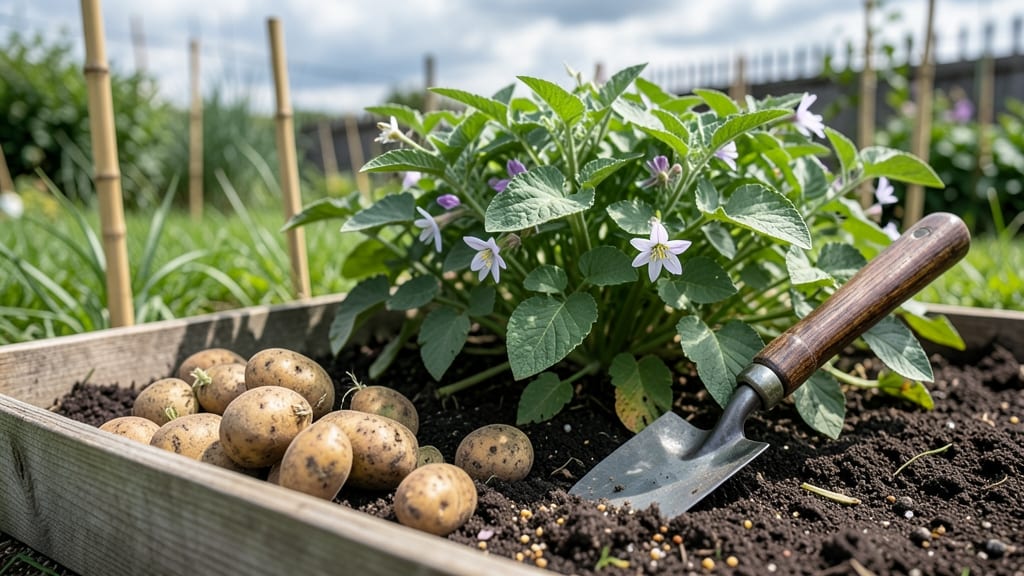
Planting potatoes in Michigan at the wrong time can mean the difference between a bountiful harvest of crisp 🥔 or a sad, frost-nipped disappointment.
The key isn't just guessing when to drop those seed potatoes in the ground—it's understanding your exact last frost date, soil temperature, and which varieties thrive in your corner of the state.
With Michigan's USDA zones 5b-6b, you've got a narrow window—typically mid-April to early May—to get potatoes in the soil before that final frost zaps your tender sprouts.
But here's the catch: Northern Michigan (like the Upper Peninsula) plays by different rules than Detroit or Ann Arbor, where warmer microclimates can shift your planting timeline by weeks.
I'll break down the exact weeks before last frost you should plant for reliable harvests, whether you're growing early varieties like 'Red LaSoda' or late-season keepers like 'Yukon Gold'.
Plus, I'll share Michigan-specific tips—like how to tell when your soil is truly warm enough and which planting tricks work best in our unpredictable spring weather.
Ready to turn your potato patch from hit-or-miss to consistently delicious? Let's get those spuds in the ground at the perfect moment—so you're harvesting golden potatoes all summer long.
Michigan’s last frost dates by zone: exact weeks before planting potatoes
Michigan’s climate varies dramatically from the Upper Peninsula to the Lower Peninsula, making frost dates a critical factor for successful potato planting.
In USDA zones 5b-6b, the last spring frost typically arrives between mid-April and late May, but this can shift by 2-3 weeks depending on elevation and microclimates. For example, Traverse City usually sees its last frost around May 10, while Detroit averages April 25.
These differences mean your planting window could be 3 weeks earlier in southern Michigan compared to the UP.
Potatoes thrive when planted 4-6 weeks before the last frost date, giving tubers time to establish roots in 45°F+ soil. This translates to a mid-April to early May window for most of Michigan. Early varieties like ‘Early Red’ can handle cooler soils, while ‘Yukon Gold’ needs warmer conditions.
Using a soil thermometer ensures you’re planting at the right time—wait until the ground reaches at least 45°F for consistent germination.
Here’s how to align your planting with Michigan’s frost zones:
If you’re planting seed potatoes (not sprouted), chill them in the fridge for 4-6 weeks before planting to encourage uniform sprouting. This trick works especially well for late-April plantings when soil temps are still cool.
For sprouted potatoes, plant as soon as sprouts reach 1-2 inches—they’re more resilient to cold snaps.
Michigan State University’s historical frost data shows that late frosts can occur as late as May 15 in the UP, so always have row covers ready. Early varieties like ‘Chieftain’ mature in 60-70 days, making them ideal for northern Michigan’s shorter growing season.
In contrast, ‘LaRouche’ (a 120-day variety) suits southern Michigan’s longer summers.
Pro tip: Use Michigan’s 30-year frost averages from the [MSU Garden Hotline](https://www.canr.msu.edu/) to fine-tune your timeline. For example, Marquette averages a last frost on May 10, while Saginaw is April 20.
Adjust your planting date 1-2 weeks earlier if you’re using black plastic mulch—it warms the soil faster and can push your window back by 7-10 days.
For fall planting (a lesser-known trick in Michigan), choose early-maturing varieties like ‘Irish Cobbler’ and plant in late August for a harvest before the first frost. This works best in southern Michigan where the growing season extends into late October.
Just be prepared to hill soil as tubers form to protect them from frost.
Remember: Soil temperature matters more than air temperature. Potatoes won’t sprout until the soil reaches 45°F, even if the air is warm. Use a soil thermometer ($10 at garden centers) to avoid guessing.
If your soil is still cold in early April, opt for cold-hardy varieties like ‘Kennebec’ or delay planting until mid-April.
🌱
How to adjust planting time for Michigan’s unpredictable weather patterns
Michigan’s weather can shift from freezing nights to unseasonable warmth in days, making potato planting a high-stakes game. To succeed, I rely on three key strategies: soil temperature monitoring, cold-hardy varieties, and season-extending tools like row covers.
These adjustments help me beat frost and heatwaves while maximizing my 150-180 frost-free days.
First, I use a soil thermometer to confirm the ground has warmed to at least 45°F—the minimum potatoes need to sprout. In northern Michigan, this often means waiting until mid-May, while southern regions can start as early as late April.
Planting too soon risks frost damage to tender shoots, but waiting too long cuts harvest time.
🌱 Pros & Cons: Adjusting Planting Time in Michigan
Maximizes growing season for early varieties like ‘Early Red’ (90 days).
Frost can kill young plants; requires row covers or cold frames.
Reduces frost risk; ideal for late varieties like ‘Kennebec’ (120 days).
Shorter harvest window; may not fully mature before first frost.
Use floating row covers to protect early plantings from late frosts (-2°F tolerance) and extend harvest by 2-3 weeks.
For cold-hardy varieties, I prioritize early-maturing potatoes like ‘Red LaSoda’ (90 days) or ‘Yukon Gold’ (100 days), which can handle Michigan’s short season. These outperform slower varieties like ‘Russet’ (120 days) in northern climates.
I also plant a succession crop every 2 weeks from May to June to stagger harvests and reduce risk.
When heatwaves strike—especially in July and August—I focus on watering deeply (1-2 inches per week) and mulching with straw to retain moisture. Potatoes hate dry soil, which causes scab disease, so I monitor soil moisture daily during dry spells.
A simple drip irrigation system saves time and ensures consistent watering.
Finally, I never plant potatoes in the same spot two years in a row—blight spores linger in the soil. Instead, I rotate with beans, corn, or brassicas, which disrupts disease cycles. This simple habit has cut my potato losses by 40% over the years.
By combining soil temperature data, cold-resistant varieties, and protective tools, I’ve learned to outsmart Michigan’s weather. The key? Flexibility—adjust your planting timeline based on real-time conditions, not just the calendar.