
Plants
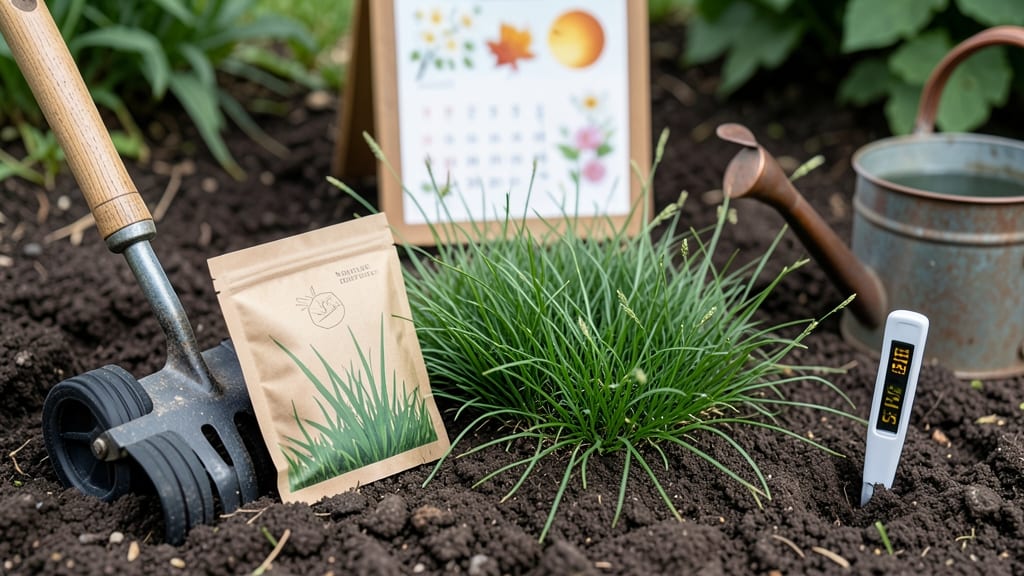
Planting grass seed in Michigan at the wrong time can mean watching your hard work vanish overnight with a late frost—or battling weeds before your 🌱 even takes root.
The key to a thick, fast-growing lawn lies in knowing exactly when to plant, whether you're in southern Michigan's milder zone 6 or northern 5 where winters linger longer.
Most Michigan gardeners assume spring is the only option, but fall actually offers cooler soil temperatures that reduce stress on new seedlings. I'll break down the exact 4-6 week windows before your last frost date—plus how to spot the perfect soil conditions (hint: it's not just about the calendar).
You'll discover why September planting often outperforms spring efforts, how to prep your soil for faster germination, and which grass varieties thrive in Michigan's unpredictable climate. Let's get your lawn off to the fastest possible start.
With these zone-specific deadlines, you'll avoid the two biggest mistakes: planting too early when frost still lurks, or waiting too long and letting weeds steal the show. Ready to transform your patchy yard into a lush carpet? The timing secrets are about to change everything.
Michigan grass seed planting deadlines by hardiness zone (4-6)
Michigan spans USDA hardiness zones 4a-6b, meaning your grass seed planting window varies dramatically from northern Michigan’s short season to southern Michigan’s extended growing period. Getting the timing right means avoiding late spring frosts or early fall freezes that can stall germination.
Let’s break down the exact deadlines for each zone to ensure your lawn gets a strong start.
For all Michigan zones, soil temperature is your best guide—aim for 50-65°F at 4 inches deep. This typically aligns with late April to early May for spring planting and late August to early September for fall planting. However, northern zones (4a-5a) have stricter windows due to shorter frost-free periods.
Here’s how to match your zone to the perfect planting window:
| Zone | Spring Planting Window | Fall Planting Window | Soil Temp Threshold | Key Risk |
|---|---|---|---|---|
| 4a (Northern MI) | Late May – Early June | Mid-August – Early September | 50-55°F | Late frost (June) or early snow (Oct) |
| 5a (Upper Peninsula) | Early May – Mid-May | Late August – Mid-Sept | 50-60°F | Short growing season (120 days) |
| 5b (Traverse City) | Mid-April – Early May | Early Sept – Late Sept | 55-65°F | Weed competition in spring |
| 6a (Grand Rapids) | Early April – Mid-April | Late Sept – Early Oct | 55-65°F | Drought stress in summer |
| 6b (Detroit) | Late March – Early April | Mid-Sept – Late Oct | 60-65°F | Humidity/fungal diseases |
Notice how northern zones (4a-5a) have a 4-6 week later window than southern zones (6a-6b). This delay accounts for Michigan’s late spring frosts, which can occur as late as May 15 in the Upper Peninsula.
For example, if you’re in zone 5a, planting in early May risks a late frost, while waiting until mid-May ensures safer germination.
For fall planting, the goal is to seed 6-8 weeks before your first frost date. In northern Michigan, this means mid-August, while southern Michigan gardeners can push it to early October. Fall planting benefits from
How to choose between spring vs. fall planting in Michigan’s climate
Michigan’s spring and fall planting windows each offer unique advantages, but choosing the wrong one can mean wasted seed and missed opportunities. In my experience, fall planting often outperforms spring—especially in Michigan’s USDA zones 4-6—because cooler soil temperatures reduce stress on seedlings while weeds are less aggressive.
However, spring planting gives you a head start on summer’s lush green lawn.
Let’s break down the key differences: spring planting (March–April) means faster germination but higher weed competition, while fall planting (September–October) offers slower growth but stronger root establishment before winter.
Your choice depends on your patience, local frost dates, and whether you’re dealing with northern Michigan’s shorter growing season or southern Michigan’s milder climate.
Here’s the critical trade-off: Spring planting risks frost damage if you’re too early, while fall planting requires precise timing to avoid early snow. In my yard, I’ve seen Kentucky Bluegrass thrive with fall planting, but Tall Fescue often struggles if seeded too late in the season.
Your grass type matters just as much as the calendar.
Spring Planting
- Pros: Faster germination, fuller lawn by summer
- Cons: Higher weed competition, risk of frost damage
Fall Planting
- Pros: Cooler soil temps, fewer weeds, stronger roots
- Cons: Shorter window, early snow risk
Humidity: Spring = higher fungal risk
Rainfall: Fall = more consistent moisture
Weeds: Spring = aggressive growth
Frost: Fall = 6-8 week window before first frost
One common mistake Michigan gardeners make is planting too late in spring when soil temperatures still dip below 50°F, delaying germination. I’ve seen Fine Fescue take twice as long to sprout when planted in late April versus early September.
Always check soil temps with a soil thermometer—aim for 55-65°F for best results.
For fall planting, I recommend seeding 6-8 weeks before your first frost date. In northern Michigan (zone 4), that’s typically by mid-September, while southern Michigan (zone 6) can extend until early October.
The goal is to give your grass 4-6 weeks of growth before winter sets in. Pro tip: Use a starter fertilizer with high phosphorus to boost root development during this critical window.
Ultimately, your choice depends on your lawn’s current state: Overseeding in fall works best for established lawns, while new lawns often benefit from spring planting. Whichever you choose, consistent watering and weed control are non-negotiable. Your timing decision today will determine how lush your lawn looks next summer.