
Planting
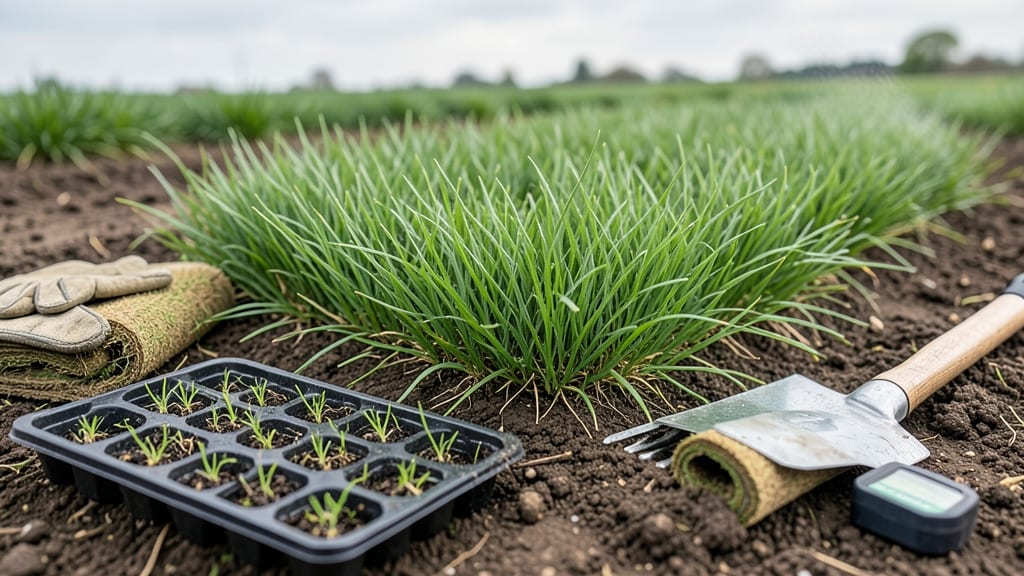
Planting your grass 🌱 at the wrong time in spring can turn your lush lawn dreams into a patchy, slow-growing disappointment.
The key to fast, healthy root growth isn't just waiting for the calendar to say "spring"—it's knowing when your soil hits that golden temperature zone of 55–65°F where seeds finally wake up and thrive.
I've learned the hard way that guessing leads to wasted seed and frustration. Whether you're in USDA Zone 6a or a warmer climate, timing matters more than you think.
Cool-season grasses like Kentucky bluegrass love early spring soil, while warm-season types like Bermuda grass wait for summer's heat—but planting too soon risks frost damage, and too late means struggling with summer heat.
So how do you know when it's really time to plant? I'll show you how to test your soil's readiness with simple methods, from using a thermometer to the classic potato trick.
Plus, I'll break down the best planting windows by region so you can avoid common mistakes and get that fast, vibrant lawn you're dreaming of.
Let's cut through the guesswork and get your grass off to the best possible start—because once you know the secrets, you'll never second-guess your planting schedule again.
Soil temperature Zones for spring grass planting: the exact degrees that trigger germination
Planting grass at the wrong time in spring can turn your seed into a costly mistake. The key to success? Soil temperature—not just air temperature.
Cool-season grasses like Kentucky bluegrass and fescue need soil between 50°F–65°F (10–18°C), while warm-season types like Bermuda or Zoysia wait until 65°F–75°F (18–24°C) to sprout. Skipping this step means slow germination or seedling death.
Your USDA hardiness zone dictates the perfect planting window. In Zones 3–5 (northern climates), aim for early April when soil warms to 55°F (13°C). Gardeners in Zones 6–8 can plant as early as March, while Zones 9–11 (southern regions) often wait until late spring to avoid summer heat stress.
Always check 6 inches deep—surface temps can be misleading.
Testing soil warmth is easier than you think. A soil thermometer ($10 at garden centers) gives precise readings. For a DIY trick, bury a raw potato in the soil overnight. If it’s soft in the morning, your soil is 60°F+ (16°C+)—ready for seed.
Pro tip: Test in the late afternoon when soil is warmest, but plant in the morning to avoid drying out seeds.
Here’s where most gardeners go wrong: planting too early when soil is still cold and wet, causing seed rot, or too late when summer heat dries out seedlings. Cool-season grasses thrive in spring’s mild temps, while warm-season types need the ground to stay consistently warm for weeks.
Even a 5°F (3°C) drop can stall germination.
Regional microclimates add another layer. Coastal areas stay cooler longer, while urban heat islands can push soil temps 10°F+ (5°C+) warmer than rural zones. If you’re near water, delay planting by 2–3 weeks compared to inland areas. Always consult your local agricultural extension for zone-specific advice—they track soil temps year-round.
Don’t let last frost dates fool you—soil warmth matters more. In Zone 5, frost may lift by March 15, but soil might still be 45°F (7°C). Wait until consistent 50°F+ (10°C+) for 5+ days before planting.
For warm-season grasses, delay until June in hot climates to avoid seedling stress from 90°F+ (32°C+) soil.
Preparing your soil is just as critical. Loosen the top 4 inches with a rake or tiller to improve airflow and root penetration. Add compost to boost organic matter, which helps soil warm faster in spring.
If your lawn has clay soil, mix in sand to improve drainage, while sandy soil benefits from peat moss to retain moisture.
Once you’ve nailed the soil temperature and prep, watering becomes your next priority. Keep soil consistently moist (like a damp sponge) for the first 3 weeks—this encourages deep root growth. Use a sprinkler on a gentle setting to avoid displacing seed.
Early morning watering (6–9 AM) minimizes evaporation and fungal risks. Avoid afternoon watering in hot zones—it can scorch seedlings.
Watch for these red flags that signal your timing is off: yellowing seedlings (too cold), crispy edges (too hot/dry), or moldy soil (overwatered). Adjust by moving to a shadier spot if temps spike or covering seed with a lightweight frost blanket if nights dip below 40°F (4°C).
Patience here pays off—strong roots mean a lawn that thrives all season.
5 Signs your soil is ready for grass seed (beyond just temperature checks)
Testing soil temperature is just the first step—your grass seed needs more than warm dirt to thrive. I’ve planted seed in perfectly timed soil only to watch it fail because I missed these 5 key readiness signs.
The right moisture, weed activity, and even local frost patterns can make or break your lawn’s success.
First, check your soil’s moisture balance. Stick your finger about an inch deep—if it feels damp but not soggy, you’re golden. Too dry, and your seed won’t germinate; too wet, and it’ll rot before sprouting.
I once planted in clay-heavy soil that looked moist but was compacted, leading to patchy growth for weeks.
Next, watch for weed activity. If weeds are already sprouting in your lawn area, your soil is warm and active—a great sign for grass seed. But if weeds are dormant, wait a few more days.
I learned this the hard way in Zone 6a when my dandelions popped up 2 weeks before my grass, signaling it was finally time to plant.
🌱
Your Soil Is Ready When...
- 💧 Soil feels damp 1" deep (not muddy)
- 🌱 Weeds are actively growing nearby
- ☀️ Daily temps stay above 50°F (nighttime too!)
- 🌡️ Soil thermometer reads 55–65°F (use a potato test if you don’t have one)
- ⏰ 4–6 weeks remain before your last frost date
Don’t overlook your local frost dates. Planting too early—even with warm soil—can mean a late frost wiping out your seedlings. I once lost a $50 bag of seed because I ignored my extension office’s frost advisory.
Always check 4–6 weeks out from your last frost date to be safe.
Finally, adjust for your soil type. Sandy soil warms faster but dries out quicker, while clay holds moisture longer. If you’re unsure, do the jar test: Fill a jar with soil and water, then shake.
Sandy soil clears fast; clay stays murky. I use this to time my watering and planting perfectly.
When you spot all five signs, your soil isn’t just warm—it’s ready. Grab your seed and get planting before conditions change again!