
Planting
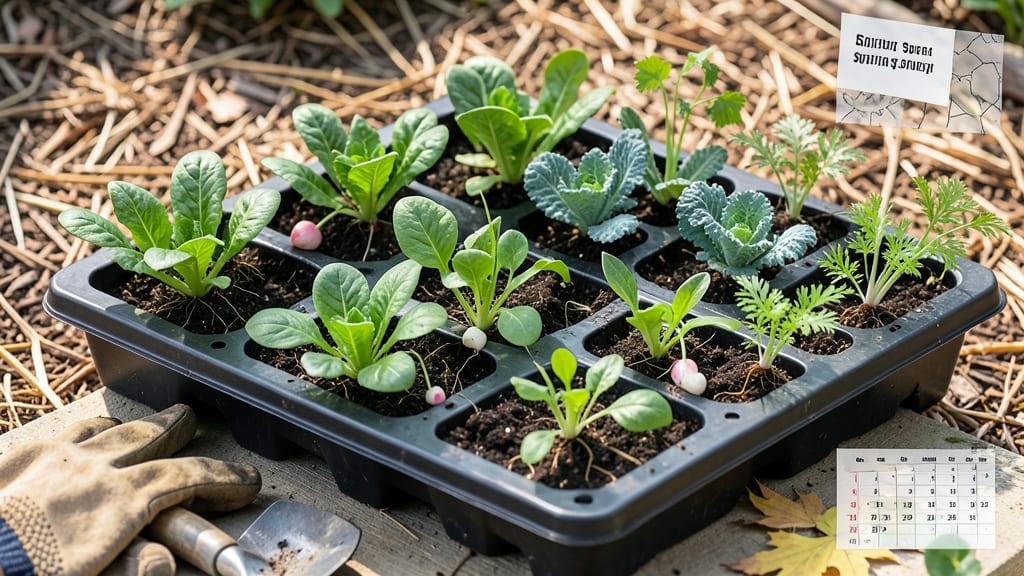
Planting your garden in Ohio at the wrong time can mean the difference between a thriving harvest and lost weeks of growth—especially when late frosts strike without warning. The key to success lies in knowing your local frost dates, which vary dramatically between northern and southern Ohio.
With USDA Zone 6a conditions, most gardeners in Ohio should aim to plant General Garden Vegetables 🌱 between mid-April and late May, once the soil warms to at least 50°F.
But timing isn’t one-size-fits-all—northern Ohio’s last frost often lingers until April 15, while southern regions may be frost-free by early April.
Whether you’re sowing cold-hardy crops like spinach or waiting for the perfect moment to transplant tomatoes, getting the timing right ensures your plants grow strong and productive. I’ll break down the exact planting windows for Ohio’s most popular vegetables, so you can avoid common mistakes and maximize your garden’s potential.
Ready to turn your garden dreams into reality? Let’s dive into the most important deadlines and strategies for Ohio gardeners—because a well-timed plant is a happy plant!
Ohio’s frost dates by region: when last spring frost typically occurs
Ohio’s frost-free dates vary dramatically by region, with northern areas like Toledo and Cleveland often seeing frost until April 25, while southern cities like Columbus and Cincinnati typically reach safety by April 10.
These differences mean your garden timing should shift depending on where you live in the state.
For northern Ohio, the average last frost date hovers around April 15–May 1, while southern Ohio gardeners can start planting as early as mid-March for cold-hardy crops like spinach and peas. Even a 10-day difference can mean the difference between a thriving garden and a frost-killed disappointment.
| Region | Last Spring Frost | First Fall Frost | Frost-Free Window |
|---|---|---|---|
| Northern Ohio (Toledo, Cleveland) | April 15–May 1 | October 10–15 | 145–160 days |
| Central Ohio (Columbus, Dayton) | April 1–April 10 | October 15–20 | 160–175 days |
| Southern Ohio (Cincinnati, Lexington) | March 20–April 5 | October 20–25 | 180–195 days |
Use these frost-free windows to plan your planting schedule. For example, tomatoes and peppers, which need warm soil, should wait until after May 1 in northern Ohio, while lettuce and kale can handle cooler temps and can go in as early as March 15 in southern regions.
Check your local USDA hardiness zone (Ohio ranges from 5b in the north to 7a in the south) to fine-tune your timing. Even within a 50-mile radius, frost dates can shift by 10–14 days, so always verify with your local cooperative extension office for the most accurate data.
If you’re unsure about your exact last frost date, use a frost-sensitive plant like marigolds as an early warning system. Plant a few early and watch for frost damage—this helps you adjust future planting dates.
For warm-season crops like beans and cucumbers, wait until the soil temperature reaches 60°F (15°C)—a soil thermometer is your best friend here. Cold soil can stunt growth, even if the air feels warm.
Ohio’s fall frost dates are equally critical. Northern Ohio sees frost by October 10–15, while southern Ohio can stretch harvests until October 25.
Plan to harvest warm-season crops like tomatoes and peppers before the first frost, or opt for cold-hardy varieties like kale and carrots for a late-season harvest.
Pro tip: Use frost cloth or row covers to extend your growing season by 2–4 weeks in both spring and fall. This is especially useful in northern Ohio, where the frost-free window is shorter.
Remember, these dates are averages. A late frost in May or an early one in September can still happen—always have a backup plan for tender plants. Keep a planting journal to track your local patterns over the years!
Planting calendar for Ohio gardens: best months for vegetables, flowers, and herbs
Ohio’s 165 frost-free days create a tight window for planting, but with the right strategy, you can grow almost anything—from cool-season greens to heat-loving tomatoes. The key is matching each plant to its ideal planting window, whether you’re starting seeds indoors or sowing directly into the garden.
For cold-hardy crops like spinach, peas, and lettuce, I recommend planting as early as March in southern Ohio or early April in the north. These veggies thrive in 40–50°F soil and can even survive light frosts.
Meanwhile, warm-season plants like tomatoes, peppers, and basil need to wait until after the last frost—typically mid-to-late May—when soil temperatures hit 60°F or warmer.
Flowers also follow seasonal rules: cool-season annuals (like pansies and snapdragons) can go in early spring, while warm-season blooms (marigolds, zinnias) should wait until after frost. Perennials, like coneflowers or daylilies, can be planted in either spring or fall, giving you flexibility if your spring schedule is busy.
| Plant Type | Best Planting Month | Soil Temp Requirement | Notes |
|---|---|---|---|
| Cold-Hardy Veggies (spinach, peas, lettuce) | March–April | 40–50°F | Direct sow or start indoors 4–6 weeks before last frost. |
| Warm-Season Veggies (tomatoes, peppers, cucumbers) | Mid-May–June | 60°F+ | Start indoors 6–8 weeks before transplanting. |
| Flowers (marigolds, zinnias, sunflowers) | Late April–June | 50–60°F | Direct sow after frost risk passes; zinnias tolerate heat. |
| Herbs (basil, cilantro, dill) | April (cilantro) / May (basil) | 55–65°F | Basil needs warmth; cilantro bolts in heat—plant in spring/fall. |
| Perennials (coneflowers, daylilies) | Spring or Fall | 50°F+ | Fall planting reduces stress; water deeply after transplanting. |
Pro tip: Use row covers or cold frames to extend your planting season for heat-loving crops. I’ve successfully grown tomatoes in northern Ohio by starting them indoors in early March and transplanting after the last frost with protective covers.
This gives you a 2–3 week head start on the growing season!
For fall planting, focus on cool-season crops like kale, carrots, and radishes in August–September. These thrive in cooler weather and can be harvested before the first frost in mid-October.
Just remember: soil prep is everything. Amend your garden beds with compost in early spring to give plants the nutrients they need to grow strong during Ohio’s short but productive season.
By following this planting calendar, you’ll avoid the heartbreak of frost-damaged seedlings and enjoy a garden that’s bursting with life from spring to fall. Happy planting—your future harvest will thank you! 🌿