
Plants
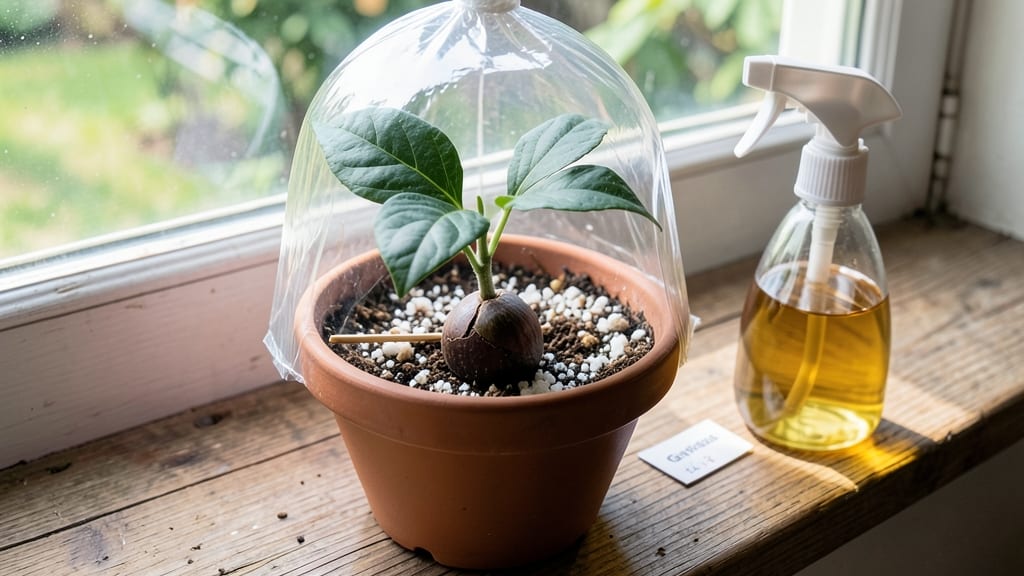
Planting an avocado seed in soil at the wrong time can mean the difference between a thriving 🥑 sapling and a sad, moldy mess.
The key isn’t just waiting for spring—it’s about soil warmth, root readiness, and avoiding frost surprises that could kill your young tree before it even takes off.
Most gardeners make the mistake of rushing the process, but patience here pays off. You’ll want to wait until your seed has developed 2-3 inches of roots—that’s when it’s strong enough to handle soil.
In USDA Zone 6a, that means aiming for late March or early April, after the last frost date but before summer’s brutal heat sets in.
Indoor germination first gives you control over temperature and moisture, but outdoor planting requires careful timing. Too early, and cold soil stunts growth; too late, and your seedling might struggle to adapt.
I’ll walk you through the exact signs to watch for—so you can transplant confidently and set your avocado tree up for success.
Whether you’re a first-time grower or a seasoned plant parent, getting this step right means fewer headaches and more green thumbs ahead. Let’s dive into the science—and the shortcuts—that make all the difference.
Avocado seed germination timeline: when to plant in soil for best results
Timing your avocado seed planting is critical—too early, and your seed rots; too late, and germination slows dramatically. The optimal window depends on your climate zone and whether you're starting indoors or outdoors. For most regions, spring (March-April) offers the perfect balance of warmth and moisture to kickstart growth.
Avocado seeds need 4-8 weeks of pre-soaking before transplanting into soil. During this phase, you’ll watch for root emergence (a clear sign it’s ready). Once roots reach 2-3 inches long, it’s time to plant—this usually takes 3-6 weeks depending on temperature and humidity.
In tropical climates (USDA Zones 10-12), you can plant seeds directly in soil year-round, but spring still offers faster germination.
In temperate zones (Zones 6-9), wait until after the last frost (mid-April in most areas) to avoid cold damage. Northern regions (Zones 4-5) should start seeds indoors in February for a head start.
🌱 Pro Tip: Use a moist paper towel or jar method for pre-soaking—this speeds up root growth and lets you monitor progress easily.
| Stage | Action | Timeframe | Climate Notes |
|---|---|---|---|
| Pre-Soaking | Soak seed in water; change daily | 4-8 weeks | Warmer water (70°F+) speeds germination |
| Root Growth | Wait for 2-3" roots | 3-6 weeks | Tropical zones: faster growth |
| Soil Planting | Transplant into well-draining soil | Spring (March-April) | Avoid frost; use containers for cold areas |
| Outdoor Hardening | Acclimate to outdoor temps | 2-4 weeks | Gradual exposure prevents shock |
After transplanting, your seedling needs consistent warmth (70-80°F) and bright indirect light for the first 2 weeks. If you’re in a cool climate, delay outdoor planting until soil temps stay above 60°F—cold soil slows root development and increases rot risk.
💧 Watering Warning: Overwatering at this stage is a common killer. Keep soil moist but not soggy—avocado roots need oxygen too!
In USDA Zone 6a (like much of the Midwest), aim to plant by late April to give your seedling time to establish before summer heat. If you miss this window, start indoors in February and transplant after frost risk passes.
🌡️ Temperature Tip: Use a seedling heat mat (75°F) if your home runs cool—this mimics tropical conditions and doubles germination speed.
Once your avocado seedling hits 6-12 inches tall (usually 6-12 months after planting), it’s ready for outdoor conditions. But remember: these trees are frost-sensitive—never let temps drop below 28°F without protection.
🌿 Final Check: Before planting, test your soil’s drainage—avocados hate "wet feet." Add perlite or sand to heavy soil to prevent root rot.
Avocado seed germination timeline: when to plant in soil for best results
Timing your avocado seed’s transition from water to soil is like catching a wave—too early, and your seedling drowns; too late, and it weakens. The optimal moment arrives when roots reach 2-3 inches, signaling readiness for soil.
This usually takes 4-8 weeks of soaking in water, depending on seed size and temperature.
In USDA Zone 6a, aim for late March to early April—after the last frost date (typically April 15) but before summer heat peaks. Warmer climates (Zones 9-11) can plant as early as February, while colder regions may wait until May to avoid frost damage.
🌱 Avocado Seed Germination & Planting Timeline
| Stage | Action | Timeframe |
|---|---|---|
| Water Soaking | Submerge seed in water, change daily | 4-8 weeks |
| Root Growth | Wait for 2-3" roots (ready for soil) | 4-6 weeks after sprouting |
| Soil Transplant | Use well-draining mix, 6" pot depth | Late March-May (Zone 6a) |
| Outdoor Hardening | Acclimate to sun/weather gradually | 2-4 weeks post-transplant |
🌡️ Pro Tip: Soil temp should be 60°F+ for transplanting—use a soil thermometer if unsure!
Watch for root growth through the container—this is your green light. If roots exceed 3 inches, transplant sooner to prevent root binding. Yellowing leaves or slow growth signals it’s not ready yet.
Climate plays a huge role: Tropical regions can plant year-round, but temperate zones must avoid frost (avocado seedlings die below 28°F). In Zone 6a, I’ve seen success by starting seeds indoors in February, then transplanting after April 15.
Indoor germination gives you control, but outdoor planting requires full sun exposure (6+ hours daily). If transplanting in summer, provide afternoon shade for the first week to prevent leaf scorch.
Remember: Patience is key. Rushing the process leads to root rot or stunted growth. Mark your calendar for 2-3 months from seed start—that’s when your avocado tree’s journey in soil begins.