
Plants
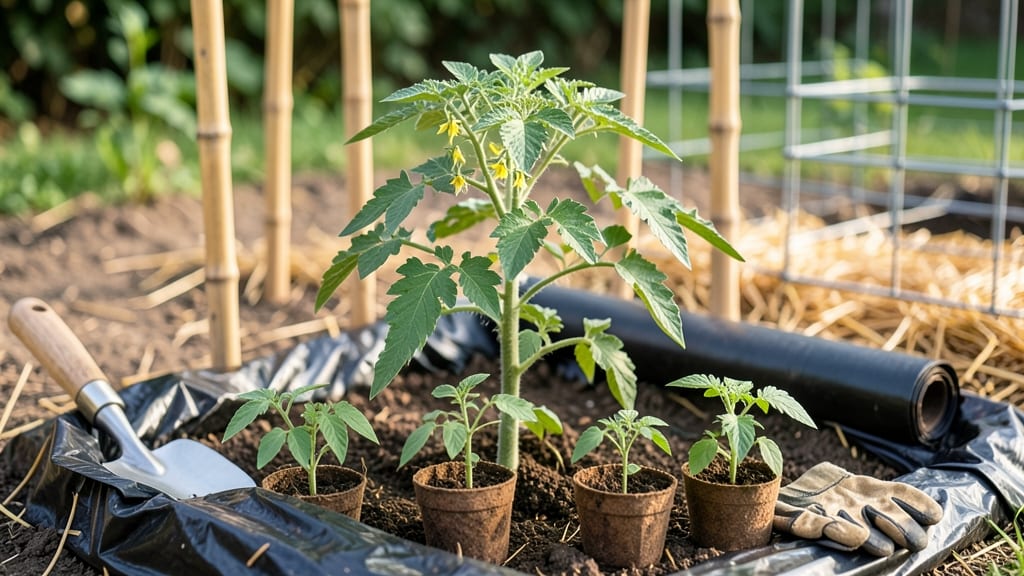
Planting tomatoes in Oklahoma isn’t just about grabbing seedlings and sticking them in the ground—it’s about timing your move to avoid frost’s cruel joke or summer’s scorching wrath.
The best time to plant your 🍅 depends on whether you’re in the Panhandle’s cooler climes or Oklahoma City’s heat, but getting it right means the difference between a bumper crop and a sad, wilted vine.
Most gardeners here know the drill: wait until after the last frost (usually mid-March to early April), but that’s just the start. Soil temperature matters just as much—your tomatoes won’t thrive if it’s still chilly.
I’ll break down the exact windows for spring and fall planting, so you can align your schedule with Oklahoma’s unpredictable weather patterns and avoid common mistakes that leave your harvest lacking.
Whether you’re a first-timer or a seasoned gardener, nailing the timing means fewer failed plants and more juicy rewards. You’ll learn how to adjust for your specific county, choose the right varieties for Oklahoma’s heat, and even stretch your growing season with simple tricks.
Let’s turn your tomato dreams into a reality—without the guesswork.
Ready to grow? I’ll walk you through the steps, from soil prep to transplanting, so you can confidently say, “I planted mine at the perfect time.” No more second-guessing, just a garden full of ripe, flavorful tomatoes by summer’s end.
Oklahoma county frost dates: when to plant tomatoes for peak harvest
Oklahoma’s diverse climate—from the Panhandle’s arid plains to the Southeast’s humid valleys—means frost dates vary dramatically by county. For tomatoes, timing is critical: plant too early, and a late frost will kill seedlings; too late, and summer’s 100°F+ heat stunts growth.
Below, I’ve broken down the last frost dates by region, plus the ideal planting windows for both spring and fall harvests.
Most Oklahoma gardeners focus on spring planting, but fall transplants can yield a second harvest before frost. The key is knowing your USDA zone (6b–8a) and local microclimates. For example, Tulsa (Zone 7a) has a last frost around April 15, while Lawton (Zone 7b) averages April 5.
In the Panhandle (Zone 7a-8a), gardeners can start as early as March 15 if using row covers.
🌱
| Region | Last Frost Date | First Frost Date | Spring Planting Window | Fall Planting Window |
|---|---|---|---|---|
| Panhandle (Amarillo, Guymon) | March 15–April 1 | October 20–November 5 | April 15–May 15 | August 1–September 15 |
| Northwest (Oklahoma City, Stillwater) | April 1–April 15 | October 15–November 1 | April 20–May 10 | August 10–September 10 |
| Northeast (Tulsa, Muskogee) | April 10–April 20 | October 10–October 25 | April 25–May 15 | August 15–September 5 |
| Southeast (McAlester, Idabel) | March 20–April 5 | November 1–November 15 | April 1–April 30 | August 1–September 1 |
Note: Adjust dates 1–2 weeks earlier for heat-tolerant varieties or later for heirlooms.
For spring planting, aim to transplant seedlings 1–2 weeks after your last frost date when soil reaches 60°F. In central Oklahoma (Oklahoma City/Tulsa), this typically means mid-April to early May.
If you’re growing heirloom varieties with longer maturity dates (e.g., 80+ days), start earlier—but be ready to protect seedlings with row covers if frost lingers.
Fall planting is trickier but rewarding. In northern Oklahoma, transplant heat-tolerant varieties by early August for a harvest before frost. In southern Oklahoma, you can extend planting until mid-September. Use black plastic mulch to warm soil and cold frames to push the
How to adjust planting time for Oklahoma’s unpredictable weather patterns
Oklahoma’s weather is famously fickle—one day it’s 60°F and sunny, the next a 30°F freeze sneaks in. To beat these surprises, I’ve learned to adjust planting times using soil temperature thresholds, row covers, and microclimate awareness.
For example, if your last frost date is April 15 but the soil stays below 60°F, don’t rush planting. Cold soil stunts root growth, leaving your tomatoes vulnerable to blossom-end rot.
🌱
⚠️ Watch for These Red Flags
Late frost warnings mean delay planting until May 1 in northern OK.
Soil below 60°F slows germination—wait for consistent warmth.
Heat waves over 95°F can stress seedlings; use shade cloth.
🌡️ Pro Tip: Bury a soil thermometer 2 inches deep to track temps.
For early spring plantings, I recommend using black plastic mulch to warm the soil by 5–10°F faster than bare ground. In urban areas like Oklahoma City, heat islands can push last frost dates 1–2 weeks later than rural zones.
Conversely, river valleys (e.g., near Tulsa) may experience frost 10 days earlier due to cold air pooling. Always check local weather stations for microclimate data.
Fall planting requires even more caution. If you’re aiming for a second harvest, transplant heat-tolerant varieties by early August in northern OK or mid-September in southern regions. Use cold frames to extend the season—these can add 2–4 weeks of growing time before frost.
Just remember: stop fertilizing 4–6 weeks before first frost to harden off plants.
Another trick? Stagger your plantings. Start with early-maturing varieties (e.g., ‘Early Girl’) in April, then add mid-season types (e.g., ‘Better Boy’) in May. This ensures a continuous harvest even if weather disrupts one batch.
For container gardeners, move pots to shadier spots during heatwaves—tomatoes wilt faster in 100°F+ temps.
Finally, keep a gardening journal to track your local patterns. Note when frost hits, how long soil stays warm, and which varieties thrive. Over time, you’ll refine your planting schedule to outsmart Oklahoma’s weather—not just follow the calendar.
With these adjustments, you’ll avoid the heartbreak of frost-killed seedlings or heat-stressed plants and enjoy a bountiful harvest all season long.
☀️