
Plants
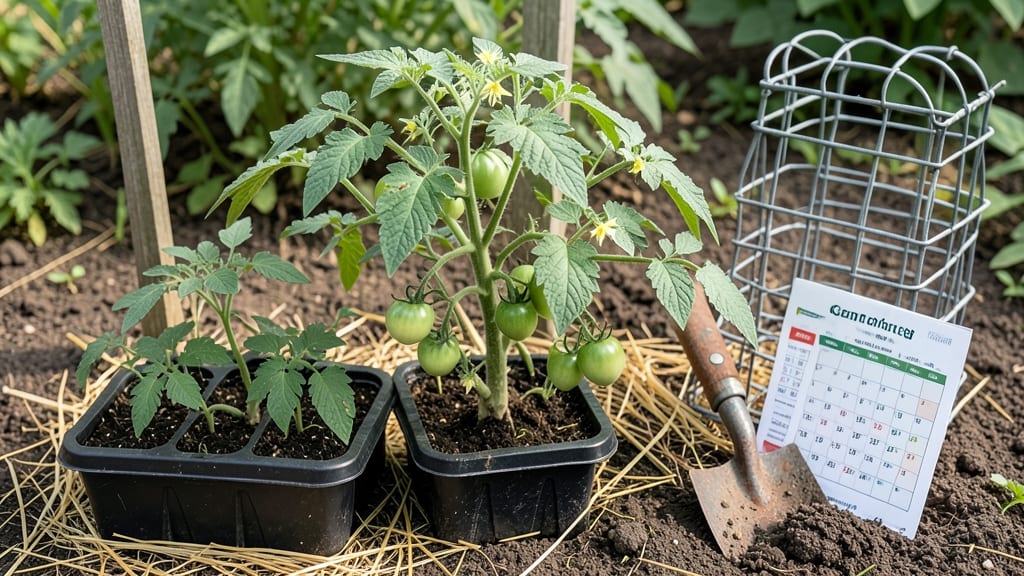
Arkansas tomato planting zones: heat map & frost date guide by region
Arkansas spans USDA Hardiness Zones 6b through 8a, creating distinct planting windows for tomatoes. North Arkansas (Zone 6b-7a) faces later last-frost dates, while South Arkansas (Zone 7b-8a) enjoys earlier starts.
The average last-frost dates range from March 15 in El Dorado to April 15 in Fayetteville, dictating your planting timeline.
For heirloom varieties, aim to plant after soil reaches 60°F (15°C)—critical for germination. Hybrid varieties like 'Celebrity' or 'Better Boy' tolerate cooler soils but still need warmth for optimal growth. Always check your local Almanac frost dates for precise timing.
Here’s how Arkansas’ regions break down for tomato planting:
| Region | Avg. Last Frost | Optimal Planting Window | Soil Temp. Requirement |
|---|---|---|---|
| North Arkansas (Fayetteville, Rogers) | April 15 | April 20–May 10 (transplant) or May 1–15 (direct sow) | 60–65°F (15–18°C) |
| Central Arkansas (Little Rock, Hot Springs) | March 31 | April 1–April 15 (transplant) or April 15–May 1 (direct sow) | 58–62°F (14–17°C) |
| South Arkansas (El Dorado, Texarkana) | March 15 | March 20–April 1 (transplant) or April 1–10 (direct sow) | 55–60°F (13–15°C) |
If you’re growing heat-tolerant varieties like 'Heatmaster' or 'Solar Fire', you can push planting to May 15–June 1 in North Arkansas. These varieties thrive in 90°F+ (32°C+) heat, making them ideal for late starts. Always monitor soil moisture—Arkansas summers bring intense heat and humidity, increasing evaporation rates.
For container gardening, use black plastic pots to warm soil faster. Place containers in full sun and avoid reflective surfaces that can scorch seedlings. Mulch with straw or shredded leaves to retain moisture and regulate soil temperature.
Pro tip: Use a soil thermometer to confirm readiness. Tomatoes need consistent warmth—cold snaps after planting can stunt growth. If frost threatens after transplanting, cover plants with frost cloth or a row cover.
In Arkansas’s humid climate, succession planting every 2 weeks after your initial planting ensures a continuous harvest. Space plants 18–24 inches apart for adequate airflow, reducing fungal diseases like early blight.
Remember: Arkansas’s first-frost dates arrive October 15–November 1, depending on elevation. Plan your harvest window to avoid late-season losses—most varieties need 75–90 days to mature.
🌱
Step-by-step Arkansas tomato planting schedule: when to start seeds indoors vs. transplanting outdoors
Timing your tomato planting in Arkansas depends on whether you’re starting seeds indoors or transplanting seedlings. For North Arkansas (USDA Zone 6b-7a), begin indoor seed starting in early March, while Central Arkansas (Zone 7a-7b) can start slightly later in late February.
South Arkansas (Zone 8a) has a longer growing season, so seed starting in late February works perfectly.
Once your seedlings reach 4-6 weeks old and have 2-3 true leaves, they’re ready for hardening off. This process—exposing seedlings to outdoor conditions for 7-10 days—helps them adapt before transplanting. Hardening off should start 2-3 weeks before your last frost date, which varies by region.
🌱 Arkansas Tomato Planting Timeline
- 📅 Late February - Early March: Start seeds indoors (4-6 weeks before last frost).
- 🌱 4-6 Weeks Later: Seedlings reach 2-3 true leaves; begin hardening off.
- 🌡️ Soil Temp Check: Wait until soil reaches 60°F+ for transplanting.
- 🌱 2-3 Weeks Before Last Frost: Transplant seedlings outdoors (or direct-sow heat-tolerant varieties).
- ☀️ After Last Frost: Mulch to retain moisture and protect roots.
- 🌿 June-July: Succession plant for extended harvests (e.g., cherry tomatoes).
For direct sowing, Arkansas gardeners can plant heat-tolerant varieties like ‘Celebrity’ or ‘Heatmaster’ 2-3 weeks after your last frost date. This method skips the seed-starting phase and is ideal for gardeners short on time. Use black plastic mulch to warm soil faster and deter weeds.
In containers, start seeds 4-6 weeks before your last frost date, just like in-ground planting. However, containers warm up faster, so monitor soil temperature closely. Use 5-gallon pots or larger to accommodate mature root systems, and place them in a south-facing location for maximum sunlight.
Microclimates in Arkansas—like urban heat islands in Little Rock or shaded spots in mountainous regions—can shift planting windows by 1-2 weeks.
Always check your local last frost date (via Arkansas Cooperative Extension) and adjust accordingly. Succession planting every 2 weeks after your last frost ensures a continuous harvest through fall.