
Plants
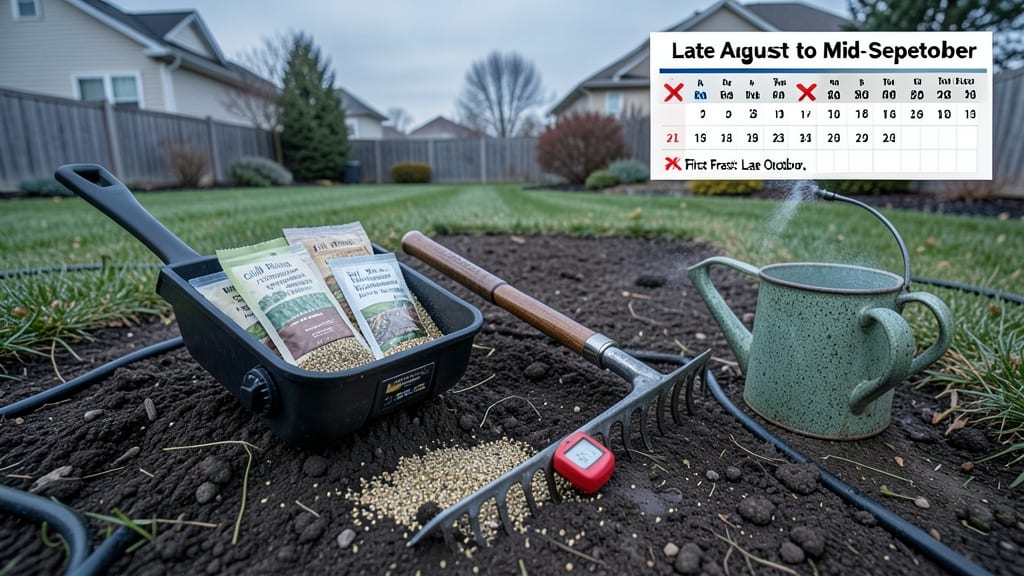
Minnesota’s last-minute grass seed planting deadlines by hardiness Zone
Minnesota’s cool-season climate means your grass seed planting window is tight—especially in Zones 3-5. The ideal time is early spring (April-May) or late summer (mid-August-September), but late fall can still work if you act fast. Missing these deadlines risks frost damage or weak root establishment before winter.
First, confirm your USDA hardiness zone using the USDA Plant Hardiness Zone Map. Most of Minnesota falls into Zone 3-5, with northern areas (like Zone 3) facing earlier frosts.
Southern regions (like Zone 5) have slightly more flexibility. For example, Zone 3 lawns must be planted by mid-September, while Zone 5 can stretch to early October.
Soil temperature is your biggest deadline clue. Grass seed needs soil at least 50°F (10°C) to germinate. Use a soil thermometer to check—if temps drop below 45°F (7°C), germination slows dramatically. In Minnesota, this usually happens by late September in northern zones and mid-October in southern zones.
Another critical factor is the last expected frost date. Plant at least 4-6 weeks before frost to give roots time to establish. For Zone 3, this means no later than September 15, while Zone 5 can push to October 1.
Check the National Weather Service for your local frost forecast.
Here’s how these deadlines break down by zone, including soil temperature and frost risk:
| Zone | Last-Minute Planting Window | Soil Temp Requirement | Frost Risk | Action Deadline |
|---|---|---|---|---|
| Zone 3 (North MN) | Mid-August - September 15 | ≥50°F (10°C) | Frost likely by Sept 25 | September 15 |
| Zone 4 (Central MN) | Late August - September 30 | ≥50°F (10°C) | Frost likely by Oct 10 | September 30 |
| Zone 5 (South MN) | Early September - October 1 | ≥50°F (10°C) | Frost likely by Oct 15 | October 1 |
If you’re planting in Zone 3, time is of the essence—waiting until September 20 or later risks dormant seeds or frost-killed sprouts. Even in Zone 5, planting after October 1 means seeds may not establish before winter.
Always test your soil with a thermometer to confirm it’s warm enough.
For extra insurance, choose fast-germinating varieties like ‘Baron’ Perennial Ryegrass or ‘Nugget’ Kentucky Bluegrass. These can sprout in 7-14 days if soil conditions are right. Pair this with a light frost blanket to protect young seedlings if frost threatens within 2 weeks of planting.
Pro tip: If you miss the fall window, spring planting is your backup. Start prepping soil in early March to plant by mid-April, ensuring roots establish before summer heat arrives. This avoids the late-season risks entirely.
🌱
How to extend your grass seed planting window (and when it’s hopeless)
If you missed Minnesota’s ideal grass seed planting window, don’t panic. With the right strategies, you can push back deadlines—but timing is everything. Soil temperature and frost risk are the two biggest factors.
Grass seed needs consistent soil temps above 50°F to germinate, and roots must establish before winter sets in.
For late-season planting, focus on fast-germinating varieties like Turf-Type Tall Fescue or Perennial Ryegrass. These can sprout in 7–14 days if conditions are right. But if frost is forecast within 2 weeks, even these varieties won’t have time to root deeply enough to survive.
🌱 Pro Tip: Check your local frost dates (Zone 3: ~Oct 10; Zone 5: ~Oct 15) and count backward. You need 4–6 weeks of warm soil and growing time before the first frost.
⚠️ When It’s Too Late
Soil temps below 50°F: Seed won’t germinate. Use a soil thermometer to check.
Frost within 2 weeks: New grass won’t establish roots before winter. Skip it.
Hard freeze expected: Even frost blankets won’t save tender seedlings.
If you’re close to the deadline, try these tricks: Use a frost blanket to extend the growing season by 2–3 weeks, or plant barely cover the seed (just enough to block light) to prevent drying. Water deeply in the morning to encourage root growth.
For Zone 3 gardeners, late September is your absolute cutoff. In Zone 5, you might squeeze in early October—but only if the forecast is frost-free for 3 weeks. If you’re unsure, overseed in spring instead. A patchy lawn is better than a dead one!
💡 Action Step: Grab a soil thermometer and test your garden. If it’s below 50°F, wait for spring. If it’s warm but frost looms, act fast—but set realistic expectations for next year’s lawn.