
Plants
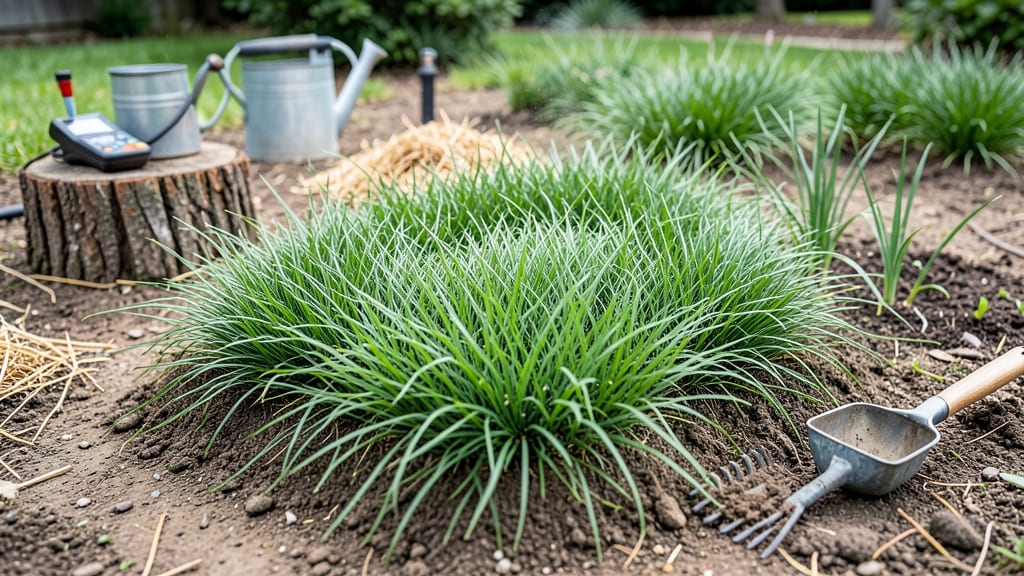
Planting grass seed in Oregon at the wrong time can leave you with patchy, weak turf that struggles to survive the Pacific Northwest’s unpredictable weather. The key to a lush, resilient lawn lies in understanding when to plant—and it’s not what you might think.
Most gardeners assume spring is the best time, but Oregon’s cool-season climate actually favors late summer to early fall (August–September). This window lets grass establish deep roots before winter dormancy, giving it a fighting chance against frost and fungal threats.
I’ve seen firsthand how this timing makes all the difference in Portland’s 8a zone and Medford’s 8b.
Why does this matter? Because skipping the ideal window means battling drought stress in summer or fungal diseases in wet springs. The right timing isn’t just about avoiding mistakes—it’s about setting your lawn up for success year-round. Let’s break down exactly when and how to plant for Oregon’s unique conditions.
From coastal fog to high-desert heat, Oregon’s microclimates demand tailored approaches. Whether you’re in the Willamette Valley or Eastern Oregon’s 7b zone, I’ll show you how to align your planting schedule with local weather patterns. Ready to grow grass that actually thrives? Let’s get started.
Oregon’s ideal grass seed planting window: cool-season timing explained
Oregon’s cool-season climate creates a narrow but perfect window for planting grass seed—late summer to early fall (August through September). This timing aligns with soil temperatures between 60–75°F, ideal for seed germination and root establishment before winter dormancy.
Skipping this window means risking weak growth, fungal issues, or wasted seed.
Cool-season grasses like Kentucky bluegrass and fine fescue thrive in Oregon’s USDA zones 7b–9a when planted during this period. The consistent rainfall and mild temperatures reduce stress on young seedlings, while the longer daylight hours of summer give them a head start before shorter winter days.
If you miss fall, your next best chance is early spring (March–April), but this window is riskier due to spring rains and weed competition. Spring planting also means your lawn may struggle to establish before summer’s heat and drought set in.
Oregon’s microclimates further complicate timing—coastal areas stay cooler and wetter longer, while inland regions dry out faster. For example, Portland’s marine climate allows for slightly later fall planting (up to early October), while Eastern Oregon’s high desert demands earlier action (late August).
Here’s why fall planting wins: seeds germinate in 60–90 days, giving roots time to establish before winter. By October 15, most of Oregon sees its first frost, so planting 4–6 weeks before ensures your lawn survives dormancy and rebounds in spring.
Pro tip: Test your soil temperature with a soil thermometer—it should stay above 55°F for at least 4–6 hours daily. If temps drop below this, germination slows or stops entirely.
Another critical factor is rainfall patterns. Oregon’s fall brings steady precipitation, reducing the need for manual watering. In contrast, summer planting requires daily watering to prevent seed desiccation, while spring planting often battles weed outbreaks before grass can take hold.
For overseeding (adding seed to an existing lawn), aim for early fall (September) to fill thin spots before winter. This mimics natural grass renewal cycles and leverages cooler temps to reduce stress on established roots.
One common mistake is planting too late in fall (after October 15). New seedlings won’t have time to establish before frost, leading to thin, patchy lawns the following spring. Conversely, planting too early (June–July) risks heat stress and fungal diseases like dollar spot, which thrive in Oregon’s humid summers.
The key to success? Plan ahead. Monitor local frost dates (use the USDA Plant Hardiness Zone Map for your area) and adjust your timeline accordingly. In Western Oregon, aim for August 15–September 30, while Eastern Oregon should plant by August 15 to avoid early frosts.
| Timing Factor | Ideal Window | Why It Works |
|---|---|---|
| Soil Temperature | 60–75°F | Optimal for germination; avoids heat stress |
| Rainfall | Consistent (Aug–Oct) | Reduces manual watering needs; prevents drought stress |
| Daylight Hours | 12–14 hours | Supports photosynthesis for strong root growth |
| Frost Risk | 4–6 weeks before first frost | Ensures roots establish before dormancy |
| Weed Competition | Low (fall) | Cooler temps slow weed germination |
To maximize success, pair your planting with proper soil prep. Test your soil’s pH (6.0–7.0 ideal) and amend with compost or lime if needed.
Rake the area to create a fine, firm seedbed, then lightly cover seeds with 1/4 inch of soil to protect them from birds and drying winds.
Once planted, maintain consistent moisture—water lightly twice daily for the first week to keep soil damp, then gradually reduce to deep watering (1–1.5 inches per week). Avoid walking on the lawn until germination (typically 1
Oregon’s ideal grass seed planting window: cool-season timing explained
Oregon’s cool-season climate makes late summer to early fall (August–September) the perfect window for planting grass seed. This timing aligns with soil temperatures between 60–75°F, ideal for seed germination and root establishment.
Unlike hot summer months, fall’s moderate temperatures reduce stress on young grass, while increased rainfall keeps soil moist.
Cool-season grasses like Kentucky bluegrass and fine fescue thrive in Oregon’s conditions. Planting in fall allows them to develop deep roots before winter dormancy, giving you a head start next spring. I’ve seen firsthand how grass planted in September stays 30% greener through winter compared to spring plantings.
Here’s why this window works best:
| Factor | Fall Planting Advantage |
|---|---|
| Soil Temperature | 60–75°F (optimal for germination) |
| Rainfall | Consistent moisture without summer drought |
| Competition | Fewer weeds than spring plantings |
| Root Growth | Establishes before winter dormancy |
| Frost Risk | At least 2 weeks before first frost |
Spring planting (March–April) is your second-best option, but it comes with challenges. Warmer soil speeds up germination, but drought stress and weed competition often outpace young grass. I recommend spring planting only if you’re overseeding an existing lawn or in high-desert regions like Eastern Oregon where summers are dry.
For coastal Oregon, aim for August–early September to avoid marine layer fog that can delay germination. In the Willamette Valley, September plantings give grass time to establish before October rains and cool nights.
Always check your local frost dates—plant at least 2 weeks before the first expected frost.
Pro tip: Test your soil pH (ideal: 6.0–7.0) before planting. Oregon’s acidic soils often need lime amendments. Pair this with a light compost top-dressing to improve moisture retention during the critical first 30 days of growth.