
Companion Plants
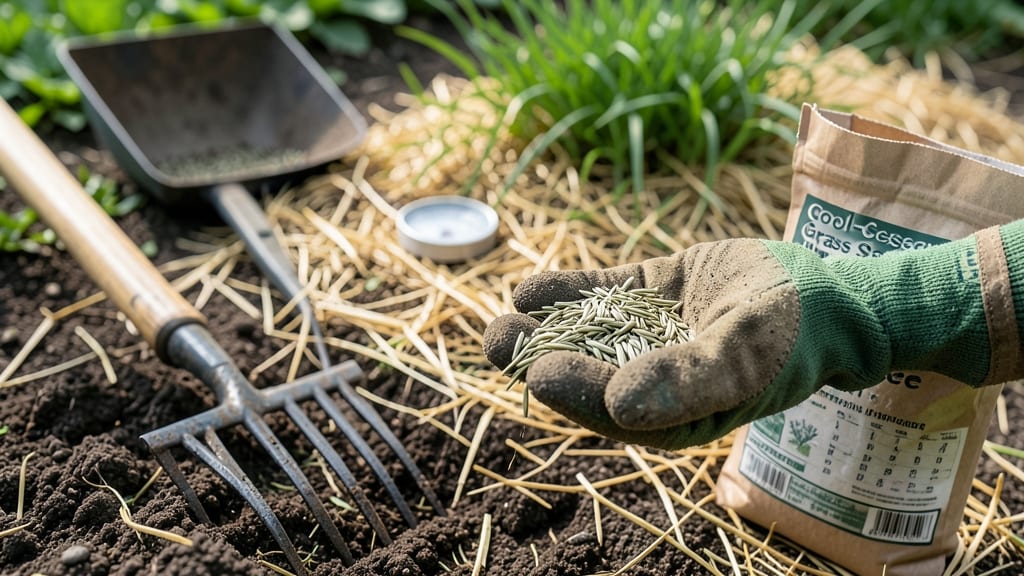
Planting grass seed in the fall is one of the best ways to ensure a thick, healthy lawn by next spring—but timing is everything. If you sow too early, weeds will outcompete your seedlings, and if you wait too late, frost will halt growth before roots establish.
The ideal window depends on your climate, but most regions in USDA Zone 6a should aim for 4-6 weeks before the first frost, typically late August to early October.
Why does this matter? Fall planting gives grass seed a head start: cooler temperatures reduce stress on young plants, and fewer weeds mean less competition. Plus, roots grow deeper before winter dormancy, setting your lawn up for faster spring recovery.
Whether you're overseeding an existing lawn or starting fresh, nailing the timing can mean the difference between patchy results and a lush carpet of green.
I’ll walk you through the exact weeks to plant based on your region, how to prep your soil for success, and the most common mistakes that derail fall planting. By the end, you’ll know exactly when to grab that seed bag and get sowing—without the guesswork.
Ready to transform your lawn? Let’s break down the science behind fall planting and why it’s the game-changer for grass establishment. Your future self (and that perfect spring lawn) will thank you.
Best fall weeks to plant grass seed for optimal root growth
Timing is everything when planting grass seed in the fall. The ideal window is 4-6 weeks before your first frost—this gives seeds time to germinate, develop roots, and strengthen before winter dormancy.
For most of the U.S., this means late August to mid-October, but your exact timing depends on your USDA hardiness zone and local climate.
Cooler fall temperatures reduce water evaporation and weed competition, while still providing enough warmth for seeds to sprout. Aim for soil temperatures between 60°F and 75°F—below 50°F, germination slows dramatically.
Use a soil thermometer to check; if temps drop below 55°F at night, it’s too late for fall planting.
Northern regions (zones 3-5) should plant late August to early September, while Southern zones (6-10) can extend until mid-to-late October. In transitional zones (like zone 6a), early September is the sweet spot—balancing warmth and the approaching frost.
Here’s how regional timing breaks down for optimal root establishment before winter:
For cool-season grasses (like tall fescue, perennial ryegrass, and Kentucky bluegrass), fall planting is ideal because they germinate quickly in warm soil but grow best in cooler weather.
Warm-season grasses (like Bermuda or Zoysia) should never be planted in fall—they go dormant and won’t establish properly.
Pro tip: Check your local frost dates (use the National Weather Service or Old Farmer’s Almanac) and count backward 6 weeks. If your area has unpredictable frost, err on the earlier side—better to have overly established roots than stunted growth.
Once you’ve nailed the timing, focus on soil prep and seed coverage. Lightly raking seeds into the top ¼ inch of soil and keeping them moist (not soggy) is key. With the right timing, your grass will outcompete weeds and survive winter like a pro.
🌱
Best fall weeks to plant grass seed for optimal root growth
Timing your grass seed planting in the fall is all about giving seeds 4-6 weeks to establish roots before the first frost. This window ensures your lawn develops a deep root system that survives winter and springs to life early next year.
The ideal time varies by USDA zone, but most regions aim for late August through mid-October.
For USDA Zone 6a (like much of the Midwest), plant between mid-September and early October. In warmer southern zones (7b+), you can extend planting until late October or early November. Northern zones (5a or colder) should plant by late August to early September to avoid early frosts.
| Region | Ideal Planting Window | Soil Temp | Key Benefit |
|---|---|---|---|
| Northern Zones (5a-6a) | Late August - Early September | 55-65°F | Avoids early frosts |
| Midwest Zones (6b-7a) | Mid-September - Mid-October | 60-70°F | Balances growth & frost |
| Southern Zones (7b+) | Late September - Early November | 65-75°F | Extended growing season |
Cool fall temperatures (60-70°F) are perfect for grass seed germination because they slow weed growth while encouraging deep root development. Unlike spring planting, fall seeds face less competition from weeds and lower fungal risks from heat stress.
Check your local frost date (usually October 15 in Zone 6a) and count back 6 weeks. For example, if frost arrives October 15, aim to plant by September 1. Use a soil thermometer to confirm temps are 60°F or higher—seeds won’t germinate below 50°F.
Cool-season grasses like Kentucky bluegrass and fescue thrive in fall planting, while warm-season grasses (like Bermuda) should wait for spring. Always choose high-quality seed with a 50-70% germination rate for best results.
Pro tip: If your area experiences unpredictable weather, plant 2-3 weeks early and use a light mulch (like straw) to protect seeds from drying winds. Monitor soil moisture—consistent dampness is key for those first 2 weeks of growth.