
Companion Plants
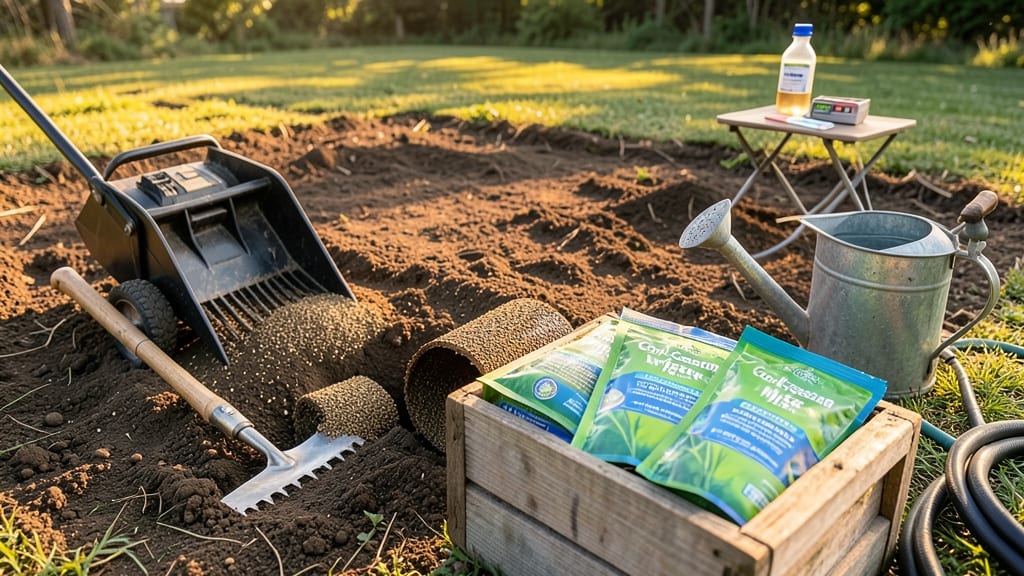
Planting grass seed in Maryland at the wrong time can mean thin patches, weeds taking over, or even wasted money—but getting the timing right transforms your lawn into a thick, green carpet that stays lush all season.
The best window isn’t just about spring or fall; it’s about aligning with Maryland’s 6b-7a climate, where soil temperatures and rainfall play a surprising role in success.
I’ve seen firsthand how early spring (March-April) and fall (September-October) offer the ideal conditions for germination, but coastal areas near the Chesapeake Bay have different triggers than inland zones.
Whether you’re dealing with clay-heavy soil or sandy patches, the key is preparing the ground 4-6 weeks before planting—and knowing when to water deeply (or hold back) to avoid common pitfalls.
This guide breaks down exactly when to plant for weed-resistant, drought-tolerant grass, which varieties thrive in Maryland’s heat and humidity, and how to outsmart crabgrass before it invades. No more guessing—just proven strategies to turn your lawn into the envy of the neighborhood.
Ready to skip the trial-and-error? Let’s dive into the perfect planting schedule, soil prep secrets, and post-planting care that keeps your grass seed from becoming a costly experiment.
Maryland grass seed planting calendar: ideal months for spring vs. fall success
Maryland’s USDA hardiness zones 6b-7a create a unique challenge for grass seed planting. The best time depends on balancing soil temperatures, rainfall patterns, and your grass type.
Most gardeners in Maryland achieve the best results by planting either in early spring (March-April) or early fall (September-October), when conditions are ideal for germination.
Spring planting gives seeds a head start before summer heat arrives, while fall planting allows roots to establish before winter dormancy. Coastal areas like Annapolis may have slightly earlier windows than inland Frederick due to milder winters.
Understanding these regional differences is key to avoiding common pitfalls like uneven germination or weed competition.
🌱
| Planting Window | Ideal Months | Soil Temperature | Key Considerations | Maryland Regions |
|---|---|---|---|---|
| Early Spring | March-April | 50-65°F | Plant 4-6 weeks before last frost (mid-April). Avoid late spring planting (May-June) due to summer heat stress. | All regions (Coastal: slightly earlier) |
| Fall | September-October | 60-70°F (day), 50°F (night) | Plant 6-8 weeks before first frost (mid-October). Ideal for cool-season grasses like tall fescue. | Piedmont/Western: October; Coastal: September |
| Late Summer | August (emergency only) | 70-75°F | Only for warm-season grasses (Bermuda, zoysia). Requires frequent watering to prevent drought stress. | Inland areas only |
| Winter | November-March | Below 50°F | Avoid planting—seeds won’t germinate in cold soil. Use winter for soil prep instead. | All regions |
For spring planting, aim to finish by mid-April to avoid summer heat stress. The soil should reach 50°F at 4 inches deep—use a soil thermometer to check. In fall, September is ideal for coastal Maryland, while inland areas can plant into early October.
The goal is to give seeds 6-8 weeks of warm weather before winter dormancy.
Maryland’s humid climate means you’ll also need to watch for fungal diseases like brown patch. Planting in fall often yields better results because cooler temperatures reduce disease pressure while maintaining adequate moisture. However, spring planting gives your lawn a full growing season to establish before winter.
If you’re in Zone 6b (eastern Maryland), focus on September planting for cool-season grasses. For Zone 7a (western Maryland), you can extend planting into early October. Always test your soil pH (6.0-7.0) before planting—Maryland’s clay-heavy soils often need lime or sulfur adjustments for optimal germination.
Pro tip: Overseed in fall if you planted in spring. This double-layer approach creates a thicker, more weed-resistant lawn by filling in thin spots. Just remember—avoid fall fertilization after mid-October, as new growth won’t harden off before winter.
🌿
One common mistake Maryland gardeners make is planting too late in spring (May-June). By then, summer heat and drought conditions can cause seeds to dry out before germinating. If you miss the spring window, fall is your next best option.
The 60-day rule applies: Plant seeds early enough to establish roots before the first frost, but not so early that weeds outcompete your grass.
For warm-season grasses like Bermuda or zoysia, late summer (August) is the only viable window—but these are less common in Maryland due to our cool winters. Most homeowners stick with cool-season grasses like tall fescue or Kentucky bluegrass, which thrive when planted in spring or fall.
Which Maryland grass types thrive when planted in spring vs. fall?
Maryland’s climate favors cool-season grasses, but not all varieties respond the same way to spring vs. fall planting. The #1 choice for Maryland lawns—tall fescue—thrives when seeded in early fall (September-October) because cooler temps reduce weed competition and boost root growth before winter.
Meanwhile, Kentucky bluegrass, another popular option, germinates faster in early spring (March-April) but struggles with summer heat if planted too late.
Warm-season grasses like Bermuda and zoysia are rare in Maryland but can work in southern counties (USDA Zone 7a). These need late spring planting (May-June) to establish roots before summer dormancy.
For most Marylanders, sticking with cool-season grasses is the safest bet—and timing matters just as much as the seed type.
🌱
| Grass Type | Best Planting Time | Why It Works | Maryland Adaptability |
|---|---|---|---|
| Tall Fescue | Early Fall (Sept-Oct) | Cool temps reduce weeds; roots establish before winter. | ⭐⭐⭐⭐⭐ (Best for Maryland) |
| Kentucky Bluegrass | Early Spring (Mar-Apr) | Fast germination; thrives in Maryland’s mild springs. | ⭐⭐⭐⭐ (Good for shade) |
| Perennial Ryegrass | Spring or Fall | Quick cover; often mixed with fescue for faster results. | ⭐⭐⭐⭐ (Drought-tolerant) |
| Bermuda Grass | Late Spring (May-June) | Needs heat to germinate; goes dormant in winter. | ⭐⭐ (Southern MD only) |
If you’re planting tall fescue—Maryland’s top pick—aim for late September to give seeds time to sprout before first frost (mid-October). For Kentucky bluegrass, early April ensures warm soil without summer heat stress.
Pro tip: Mix perennial ryegrass (10-20% of seed blend) to speed up germination and crowd out weeds faster.
Warm-season grasses like Bermuda are a gamble in most of Maryland unless you live in Zone 7a (southern counties). Even then, they’ll go dormant in winter, leaving your lawn brown until spring. For a year-round green lawn, cool-season grasses planted at the right time are the clear winners.
🌿
One mistake I see often? Planting warm-season grasses in fall or cool-season grasses in summer. The wrong timing leads to poor germination or weed takeover.
Always check your USDA zone and seed packet instructions—Maryland’s 6b-7a climate means northern areas (like Baltimore) can handle late fall planting, while southern regions (like Salisbury) should plant earlier to avoid frost.