
Plants
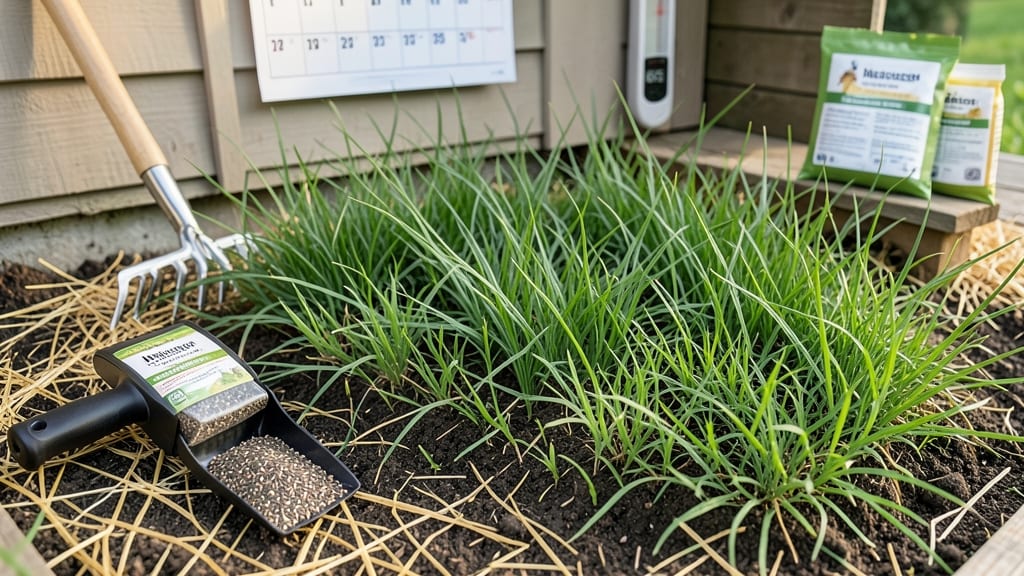
Planting grass seed too late in Massachusetts can mean watching frost turn your hard work into a crispy, brown mess—and there’s a specific cutoff date that separates success from disappointment.
The answer isn’t just about the calendar but about soil temperatures, seed types, and your local frost patterns, especially in zones 5b-6b where timing makes all the difference.
Most gardeners assume "late" means September, but in Massachusetts, the real deadline arrives 4-6 weeks before the first frost—typically by mid-October for most regions. That’s when grass roots need to establish before winter dormancy kicks in.
If you’re staring at a bare patch now, don’t panic: there are still strategies to salvage your lawn, like choosing cold-hardy seed varieties or using frost blankets to buy extra time.
Here’s the game-changer: fall planting is your best bet after summer’s heat fades, but only if you act before the ground cools too much.
We’ll break down exactly how to push the limits of your planting window—whether you’re in Boston, the Berkshires, or Cape Cod—so you can still get that lush 🌱 coverage before winter sets in.
Ready to learn the tricks that keep lawns thriving even when the clock is ticking? Let’s dive into the science of late-season grass planting and how to make it work for your Massachusetts yard.
Massachusetts late-season grass seed planting deadlines by region
Massachusetts’ USDA zones 5b-6b mean your last chance to plant grass seed depends on where you live. In Metro Boston and Eastern MA, the window typically closes by mid-September, while Western MA and the Pioneer Valley can push it to late September.
Northern regions like the Berkshires and North Shore may have a 2-week earlier deadline due to colder microclimates.
Cape Cod and the South Coast are slightly more forgiving, with early October as a potential cutoff—but only if daytime temps stay above 50°F and nights above 40°F. These dates assume you’re planting cool-season grasses like Kentucky Bluegrass or Tall Fescue, which dominate MA lawns.
Warm-season varieties like Zoysia (rare here) have a much shorter window and are rarely viable past mid-August.
Here’s the critical rule: Grass seed needs 4-6 weeks of warm soil (50°F+) to germinate and establish roots before frost hits.
If your area’s first frost is October 15, you’ve got until early September—but push it to mid-September only if you’re using fast-germinating perennial ryegrass and protecting seedlings with row covers.
🌱
If you’re overseeding an existing lawn in fall, you’ve got a 2-week grace period beyond these deadlines—grass will establish faster in cooler weather and resist weeds better. But for new lawns, stick to the table above.
Pro tip: Check the National Weather Service’s 30-day forecast for your area before planting in late September—a hard freeze can kill seedlings overnight.
Soil temperature is your real deadline, not just the calendar. Use a soil thermometer (or the back-of-your-hand test: if it feels warmer than your wrist, it’s ready).
Aim for 50°F+ for 7+ days before planting. In Western MA, soil may stay warm into early October, while Northern MA could hit 40°F by mid-September.
For warm-season grasses (like Bermuda or Zoysia), the window is June 1–July 15—any later and summer heat will bake seeds before they sprout. These types are rare in MA but used in southern Worcester County or coastal areas with milder summers.
🌿
Need to push your deadline? Pre-warm soil with black plastic mulch for 2 weeks before planting, or use a seed starter mat. For late-September plantings, cover seedlings with frost cloth at night until roots are 2 inches deep.
And if you’re really cutting it close, choose perennial ryegrass—it germinates in 5–7 days vs. 14–21 days for fescue.
Remember: Frost kills grass roots, not just tops. If you plant 3 weeks before frost, roots may not be deep enough to survive. Always water deeply the day before a light frost to protect seedlings.
How to extend your grass seed planting window with smart prep
If you’ve missed the ideal spring planting window, don’t toss your grass seed just yet—Massachusetts’ fall season offers a second chance if you act strategically. The key lies in soil warmth, seed selection, and frost protection.
Even if your region’s first frost is looming, these methods can buy your lawn 4-6 extra weeks of growth before winter dormancy sets in.
First, test your soil temperature—it should stay above 50°F (10°C) for at least 6 hours daily. Use a soil thermometer to check; if temps dip below this, your seeds may fail to germinate.
For late-season planting, focus on cool-season grasses like tall fescue or perennial ryegrass, which tolerate cooler soils better than warm-season varieties like Kentucky bluegrass.
Here’s the game-changer: soil warming tricks can push back the deadline. Lay down black plastic mulch or use a cold frame over your planting area 1-2 weeks before seeding.
This raises soil temps by 10-15°F (5-8°C), mimicking spring conditions and giving seeds a head start. Just remove the cover once germination begins to avoid overheating.
Don’t overlook overseeding as a late-season lifesaver. If your existing lawn is thin, spread half the recommended seed rate over bare spots in early September. This leverages your current grass’s root system to support new growth, giving seedlings a 30% better survival rate in cooler weather.
Finally, monitor weather forecasts like a hawk. If a hard freeze (<28°F/-2°C) is predicted within 10 days of planting, delay until temps stabilize. Even with protections, seeds won’t germinate below 35°F (2°C).
For Cape Cod or coastal areas, where ocean breezes delay frost, you might squeeze in planting until late October—but inland regions should stop by mid-September.
With these tricks, you can turn “too late” into “just in time”. The secret? Preparation meets patience—your lawn’s future depends on it. 🌱