
Plants
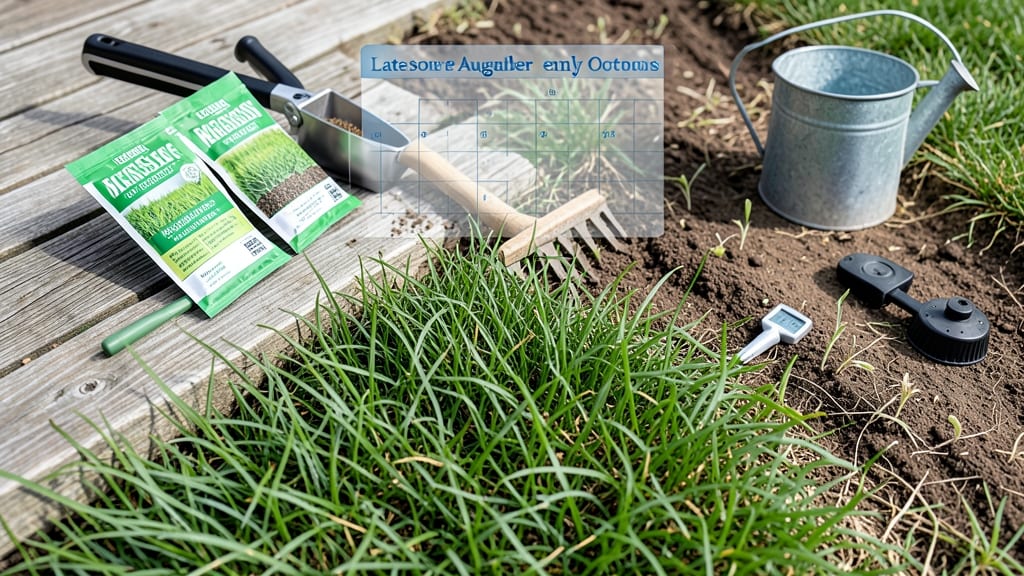
Planting grass in Massachusetts after it is too late to plant grass—say, mid-May—might feel like a gamble. Will your lawn ever fill in before summer’s heat sets in?
The truth is, the "too late" date shifts depending on your grass type and local microclimate, but missing the window can leave you with patchy, weak growth or even winterkill.
For cool-season grasses like Kentucky Bluegrass or Fine Fescue—the staples of Massachusetts lawns—your last safe window is early to mid-May, when soil temperatures hover around 50°F and frost risk fades.
But if you’re in coastal areas like Cape Cod, you might squeeze in a late planting until early June, thanks to milder temperatures. Warm-season grasses like Bermuda? They’re a whole different story.
What happens if you plant after these deadlines? Slower germination, weed competition, and roots struggling to establish before summer’s heat or winter’s chill. But don’t panic—there are ways to salvage a late lawn, from choosing the right seed to smart watering and mulching.
Let’s break down the exact last weeks to plant by variety and how to maximize your chances of success.
Whether you’re in Boston’s Zone 6b or the Berkshires’ Zone 5b, timing is everything. By the end of this guide, you’ll know not just when to plant, but how to give your grass the best shot at thriving—even if you’re pushing the limits of the season.
Last safe weeks to plant cool-season vs. warm-season grass in Massachusetts
Massachusetts’ cool-season grasses like Kentucky Bluegrass and Fine Fescue thrive when planted in early fall or early spring. The last safe window for fall planting depends on your grass type and local frost dates.
For most of Massachusetts, late September to early October is ideal, but coastal areas like Cape Cod can push into mid-October due to milder microclimates. Warm-season grasses like Bermuda grass have a much narrower window—planting after mid-May risks poor establishment before summer heat sets in.
Soil temperature is the critical factor. Cool-season grasses need soil temps between 50°F and 75°F for optimal germination. By mid-October, soil temps in inland areas like Western MA often drop below this threshold, slowing growth and increasing frost risk.
Warm-season grasses, on the other hand, require soil temps above 65°F—making late May to early June their last safe window before summer drought stress kicks in.
Here’s the breakdown by variety, including regional adjustments for Boston, Western MA, and Cape Cod:
| Grass Type | Last Safe Planting Window | Soil Temp Requirement | Regional Adjustment | Risk of Late Planting |
|---|---|---|---|---|
| Kentucky Bluegrass | Late September - Early October (fall) / Early April - Mid-May (spring) | 50°F - 75°F | Cape Cod: +2 weeks; Western MA: -1 week | Slower germination, winterkill |
| Fine Fescue | Late August - Mid-October (fall) / Early April - Late May (spring) | 45°F - 70°F | Boston: +1 week; Inland: -1 week | Weed competition, thin coverage |
| Tall Fescue | Late August - Early October (fall) / Early April - Mid-May (spring) | 55°F - 75°F | Coastal: +2 weeks; Inland: -1 week | Slow establishment, drought stress |
| Bermuda Grass | Late May - Early June (spring only) | 65°F+ | No adjustment; heat-sensitive | Poor root growth, summer burn |
If you’re in Western MA, aim to plant Kentucky Bluegrass by September 20th to avoid early frost. Coastal areas like Cape Cod can extend this to October 10th due to moderating ocean breezes.
For Bermuda grass, missing the May-June window means waiting until next year—this grass won’t survive Massachusetts winters. Always check your local USDA Hardiness Zone (5b-7a) for precise adjustments.
Proper soil prep is non-negotiable. Test your soil’s pH (ideal: 6.0-7.0) and amend with compost or peat moss if needed. Cool-season grasses benefit from a light mulch (straw, not wood chips) to retain moisture and protect seedlings from temperature swings. Warm-season grasses,
How late planting affects grass growth: what happens if you miss the window?
Planting grass too late in Massachusetts doesn’t automatically doom your lawn—but it dramatically increases challenges. When you miss the ideal late August to early October window for cool-season grasses, you risk slow germination, weed competition, and even winterkill before roots establish.
Warm-season grasses like Bermuda grass have even stricter deadlines, with mid-June being the cutoff for most regions.
One of the biggest risks is shallow root systems. Grass planted in September or later may not develop deep roots before frost hits, making it vulnerable to freeze-thaw cycles and drought stress next summer.
I’ve seen lawns planted in October survive, but they often struggle with patchy growth and require extra care in the first growing season.
Weed competition is another silent killer. When you delay planting, crabgrass, clover, and other weeds fill the gaps before your grass even sprouts. These weeds steal nutrients and sunlight, leaving your new lawn thin and weak.
In my experience, a pre-emergent herbicide applied 2–4 weeks before planting can help, but timing is critical—apply too late, and you’ll smother your grass seeds instead.
Here’s the harsh truth: Late planting doesn’t mean failure, but it does mean extra work. If you’re planting in late September or October, focus on soil prep, seed selection, and protective mulching.
For example, using a cool-season blend like Tall Fescue gives you a 2–3 week head start over Kentucky Bluegrass in cold snaps.
- 🔹 Test soil temperature: Use a soil thermometer—plant only when soil is 50–75°F. Below 50°F, germination stalls.
- 🔹 Choose fast-germinating seeds: Opt for Tall Fescue or Perennial Ryegrass, which sprout in 7–14 days vs. 21+ days for Bluegrass.
- 🔹 Mulch lightly: Apply ¼-inch straw mulch to retain moisture and protect seeds from bird damage or drying winds.
- 🔹 Water deeply twice daily: Keep soil consistently moist (not soggy) for the first 2 weeks. Use a sprinkler on a timer for precision.
- 🔹 Fertilize strategically: Skip heavy nitrogen until germination. Instead, use a starter fertilizer with phosphorus to encourage root growth.
If you’re planting in November or December, your best bet is to overseed in spring instead. Grass planted this late often won’t survive winter and may require complete reseeding next year.
I’ve seen gardeners in Zone 5b (like Worcester) push it to early November with success, but only with extra insulation (like a thick layer of straw mulch) and sheltered microclimates.
Remember: Patience is key. Late-planted grass may take 2–3 years to fully mature compared to 1 year for ideal timing. But with the right seed mix, soil prep, and care routine, you can still grow a lush, resilient lawn—just don’t expect miracles. 🌱