
Companion Plants
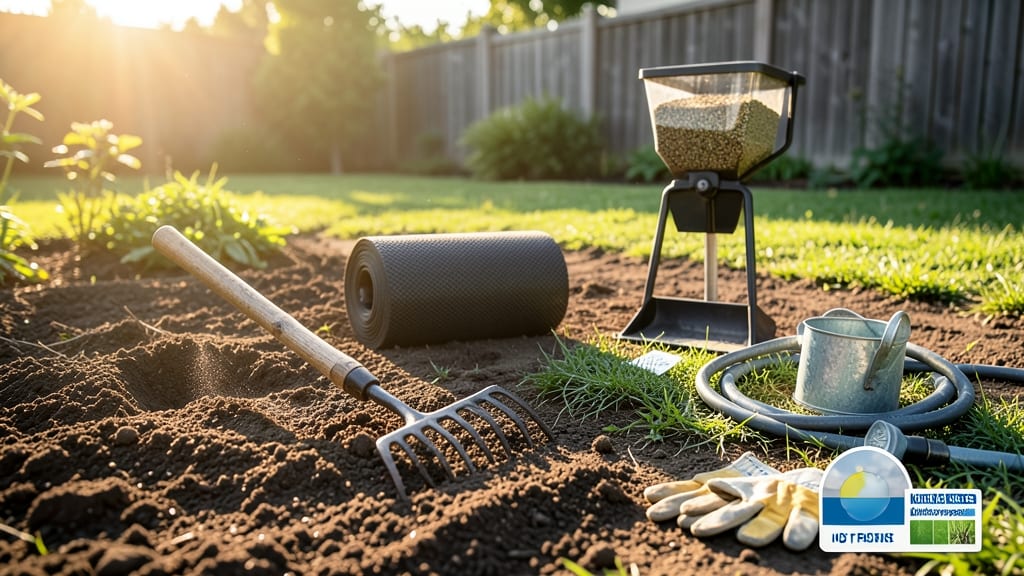
Planting grass seed at the wrong time in spring can turn your lawn dreams into a patchy, slow-growing mess—but getting the timing right guarantees fast germination and a thick, green carpet.
For General (USDA Zone 6 default) like mine, the ideal window starts 4-6 weeks before the last frost, typically around early April when soil temperatures hit 50-55°F.
Why does timing matter so much? Grass seed needs warm soil to sprout, but cold snaps can stall growth or even kill it.
I’ve learned the hard way that planting too early (like in March) risks frost damage, while waiting until late May might mean battling weeds or summer heat stress. The key is balancing soil warmth with frost-free conditions—something I’ll break down for your specific climate zone.
Beyond the calendar, soil prep is just as critical. You’ll want to rake the area to a fine texture, remove debris, and lightly cover the seed with straw to protect it.
Once planted, consistent moisture (but not soggy soil) is your best friend for those first 2-3 weeks—the make-or-break period for germination. Let’s dive into the exact steps to set your lawn up for success.
Whether you’re seeding a new yard or repairing bare patches, these insights will save you time, money, and frustration. By the end, you’ll know exactly when to plant, what to watch for, and how to avoid the 3 biggest mistakes that sabotage grass growth.
Ready to transform your lawn this spring?
Exact weeks before last frost to plant grass seed for best germination
Planting grass seed at the right time in spring is all about balancing soil warmth and frost-free conditions. Cool-season grasses like Kentucky Bluegrass and Fescue thrive when planted 4-6 weeks before your average last frost date, while warm-season types like Bermuda need to wait until soil hits 65°F+.
Timing this window correctly ensures your seeds germinate quickly and avoid frost damage.
Your local last frost date is the starting point, but soil temperature is the real game-changer.
For cool-season grasses, aim for 50-55°F soil temps—this usually aligns with late March to early April in most of the U.S. Warm-season grasses, however, need to wait until mid-to-late spring when soil warms to 65-70°F, often May to June.
Here’s the critical rule: Never plant when frost is forecast within 72 hours, as even a light freeze can kill young seedlings. Use your local frost chart (available from the National Weather Service) to pinpoint the 4-6 week window before your area’s last frost.
For example, if your last frost is April 15, plant between March 1-15 for cool-season grasses.
Regional differences matter too. In USDA Zone 5 (e.g., Chicago, Minneapolis), plant late April to early May for cool-season types. In Zone 8+ (e.g., Atlanta, Phoenix), you can start as early as February for cool-season grasses or wait until May for warm-season varieties.
Always check your local extension office for hyper-local advice.
Soil temperature is more important than air temperature. Use a soil thermometer to confirm readiness—cool-season seeds need 50-55°F, while warm-season seeds require 65-70°F. If your soil is too cold, your seeds may rot before germinating. Pro tip: Morning soil temps are the most accurate indicator of planting readiness.
If you’re unsure about your last frost date, use the Almanac’s Frost Calculator (available online) to input your ZIP code. This tool provides a historical average and a probability forecast for your area.
For example, in Zone 6, the last frost date might range from April 1-15, so planting March 1-15 gives you a 6-week buffer before potential frost.
Pay attention to nighttime temperatures too—if lows dip below 40°F after planting, cover seeds with a lightweight frost blanket to protect them. This is especially critical for cool-season grasses, which can germinate in 5-14 days but are vulnerable to cold snaps.
Warm-season grasses, on the other hand, take 14-28 days to sprout, so planting too early in cool soil can lead to seed rot.
One common mistake is planting too early in hopes of a head start. If your soil is still below 50°F, seeds may not germinate at all. Use a soil thermometer for 3 consecutive days to confirm consistency.
If temps fluctuate wildly, wait a few more days. Patience here pays off with faster, more uniform germination.
For northern climates (Zones 3-5), aim to finish planting by mid-May to give seedlings time to establish before summer heat. In southern climates (Zones 8-10), you can plant year-round, but focus on spring and fall to avoid summer drought stress. Always match your grass type
How to prepare your lawn for spring grass seed planting (step-by-step)
Preparing your lawn before planting grass seed is the secret weapon for fast germination and thick growth. Skipping this step often leads to patchy coverage or weeds outcompeting your new grass. Start by clearing debris—remove leaves, rocks, and dead grass with a rake or leaf blower.
This exposes the soil to sunlight and air, creating the perfect environment for seeds to take root.
Next, test your soil’s pH using a home kit (available at garden centers for ~$10). Ideal pH for most grasses is 6.0-7.0. If your soil is too acidic (<6.0), add lime 4-6 weeks before planting.
For alkaline soil (>7.0), work in sulfur or peat moss. Adjusting pH now prevents nutrient deficiencies later.
Here’s my step-by-step checklist for pre-planting prep, designed to save you time and frustration:
- 1 Clear the area: Remove all debris, weeds, and dead grass. Use a stiff rake or dethatcher for thick thatch layers.
- 2 Test soil pH: Aim for 6.0-7.0. Adjust with lime (for acidic soil) or sulfur (for alkaline soil) 4-6 weeks before planting.
- 3 Loosen soil: Use a garden rake or tiller to break up compacted soil to a depth of 2-3 inches. This improves water and root penetration.
- 4 Add compost: Mix in 1-2 inches of compost or well-rotted manure to improve soil fertility and structure. Spread evenly and work into the top 1-2 inches of soil.
- 5 Level the surface: Fill low spots with a mix of soil and compost. Use a lawn roller or rake to create a smooth, even surface for even seed distribution.
- 6 Apply starter fertilizer: Use a high-nitrogen starter fertilizer (e.g., 24-0-5) to provide immediate nutrients. Follow package rates for your lawn size.
For large lawns, consider renting a core aerator to pull small soil plugs and improve seed-to-soil contact. This step is especially valuable if your lawn has compacted soil or heavy foot traffic.
If aerating isn’t an option, use a slit seeder or manually create shallow furrows with a rake to ensure seeds make contact with the soil.
Once your lawn is prepped, water deeply the day before planting to settle the soil. This helps seeds make immediate contact with moisture, kickstarting germination within 5-14 days. Avoid walking on the area after prep to prevent compacting the soil—this is your grass’s first chance to thrive.
Pro tip: If you’re seeding in shady areas, choose fine fescue or creeping red fescue, which tolerate lower light conditions. These varieties also germinate well in cooler soil temps, giving you a 2-week head start over sun-loving grasses like Kentucky Bluegrass.