
Plants
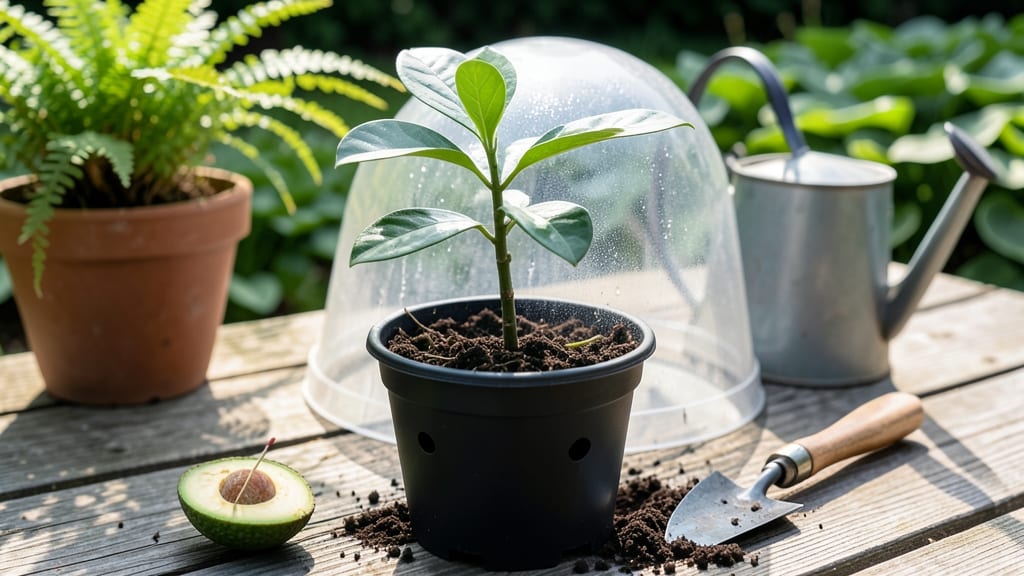
Planting an avocado seed in dirt at the wrong time can turn your fast germination dreams into a sad, wilted mess. The key to success? Timing it right—when soil temperatures warm up and frost risks fade away.
I’ve learned the hard way that rushing this step often leads to disappointment, but getting it right means watching your 🥑 seedling grow into a sturdy young tree in just a few months.
Most gardeners in Zone 6a should wait until April or May, after the last frost has passed, to transplant their avocado seed into soil. This timing ensures the seedling has the warmth it needs to thrive without the shock of sudden cold snaps.
But don’t just guess—check your local frost dates and soil temperature to avoid common pitfalls that stall growth.
Preparing the soil is just as critical as the timing. Avocado trees hate soggy roots, so well-draining, slightly acidic soil is a must.
Mix in some compost to give your seedling a nutrient boost, and choose a spot with plenty of sunlight—6+ hours a day will make all the difference. With the right conditions, you’ll see those first leaves sprouting in as little as 2-4 weeks.
Ready to skip the trial-and-error? I’ll walk you through the exact steps to plant your avocado seed at the perfect moment, from soil prep to post-planting care. Let’s turn that seed into a thriving tree—without the guesswork.
Best seasons and climate conditions for planting avocado seeds in soil
Avocado seeds thrive when planted in warm soil and mild temperatures, making spring the ideal season for outdoor planting. Aim for April to May in most U.S. regions, after the last frost date. This timing ensures your seedling has 6-8 months of growing season before winter dormancy.
Avocados are tropical/subtropical plants, so they hate frost and cold snaps. If you live in USDA Zones 9-11, you can plant year-round, but spring planting still offers the best balance of warmth and moisture.
In colder zones (Zones 6-8), wait until soil temperatures reach 60°F (15°C) or higher.
Check your local frost dates—planting too early risks root damage or death. For example, in Zone 7, hold off until mid-April, while Zone 10 gardeners can plant as early as February. Use a soil thermometer to confirm readiness.
🌱
| Climate Factor | Ideal Condition | Risk if Incorrect |
|---|---|---|
| Temperature | 60°F+ (15°C+) | Slow growth, root rot |
| Humidity | 50-70% | Wilting or fungal issues |
| Sunlight | 6+ hours daily | Leggy, weak stems |
| Soil Temp | 65°F+ (18°C+) | Germination failure |
| Rainfall | 1-2 inches/week | Drought stress or overwatering |
🌡️ Pro Tip: Use a mini greenhouse or row cover to extend your planting window by 2-3 weeks in cooler climates.
If you’re in a coastal region, summer planting (June-July) can work, but avoid peak heat waves (above 90°F/32°Cdesert climates, plant in late spring to take advantage of monsoon rains without overwhelming the seedling.
For container growing, timing is less critical since you control the environment. However, still aim for spring to match outdoor conditions. Move pots outside gradually after nighttime temps stay above 50°F (10°C) to harden off your seedling.
🌿
Monitor your local weather forecasts for heat advisories or unexpected frosts. Avocado seedlings are sensitive to temperature swings, so a 5-day forecast is more reliable than planting by the calendar alone. If frost threatens, cover young plants with frost cloth or move containers indoors.
In tropical zones, planting can happen year-round, but early spring still offers the best balance of soil warmth and moderate humidity. Avoid planting during hurricane season (June-November) to prevent wind damage to delicate seedlings.
🪴
Best seasons and climate conditions for planting avocado seeds in soil
Timing is everything when planting your avocado seed in dirt. Avocados thrive in warm climates and need consistent temperatures above 60°F (15°C) to germinate successfully. The ideal window is spring, specifically after your last frost date, typically April to May in most regions.
If you live in USDA Zones 9-11, you can plant year-round, but spring planting still offers the best balance of warmth and moisture. In cooler zones (6-8), wait until soil temperatures reach 70°F (21°C)
Cold snaps or frost exposure can kill young avocado seedlings, so monitor your local weather forecasts. If you're in doubt, start seeds indoors in pots 8-10 weeks before the last frost, then transplant after Memorial Day when nights stay above 50°F (10°C). For container growing, you can extend your planting window by using heat mats or placing pots in sunny indoor spots near south-facing windows. Just ensure your seedling gets at least 6 hours of sunlight daily to prevent leggy growth. Regional differences matter! In California or Florida, plant in early spring to avoid summer heat stress. In Arizona or Texas, opt for fall planting to escape extreme summer temperatures. Always check your local frost dates and adjust accordingly. Pro tip: If your area has hot summers, mulch around your young seedling with organic matter to retain moisture and protect roots from temperature swings. This mimics the tropical conditions avocados love.
Season
Temperature Range
Soil Conditions
Best For
Spring (April-May)
60-85°F (15-29°C)
Well-draining, slightly acidic (pH 6.0-7.0)
Direct outdoor planting
Summer (June-August)
75-95°F (24-35°C)
Moist but not waterlogged
Transplanting established seedlings
Fall (September-October)
55-70°F (13-21°C)
Warmer microclimates only
Zones 9-11 (limited success)
Winter (November-March)
Below 50°F (10°C)
Not recommended
Indoor container growing only