
Plants
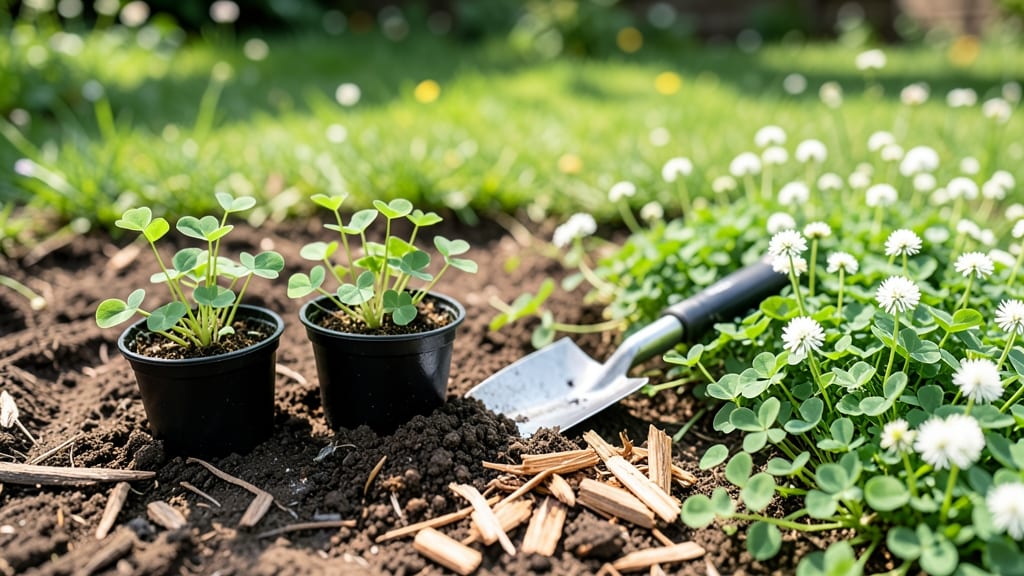
Planting clover in the spring can feel like playing a game of chance—get the timing wrong, and your hard work might freeze before it even takes root.
But with the right approach, you can turn that frost risk into an advantage, growing a resilient ground cover that feeds your soil and crowds out weeds naturally. The key lies in understanding your local climate and choosing varieties that thrive after the last frost, not before it.
Most gardeners in USDA Zone 6 should aim to plant clover between early and mid-spring, once soil temperatures hit at least 50°F. This window—typically March or April—gives seedlings time to establish roots before summer heat sets in.
Cold-hardy varieties like Dutch White or Crimson clover are perfect for this strategy, as they can handle light frosts and still deliver that nitrogen boost your garden craves.
Don’t let the fear of frost hold you back—with a few simple prep steps, you can protect your clover until the danger passes. Whether you’re a beginner or a seasoned gardener, this guide will help you avoid common mistakes and maximize your clover’s potential.
Let’s dive into the best practices for planting 🌱 clover that actually survives and thrives.
From soil prep to post-planting care, you’ll learn how to create the ideal conditions for clover to take hold. The result? A lush, low-maintenance ground cover that works harder than any fertilizer ever could. Ready to transform your garden’s health this spring?
Optimal planting windows for clover by USDA hardiness Zones
Timing your clover planting depends on your USDA zone and local frost patterns. In Zones 3-5, where frosts linger into May, aim for late April to early May—after the last frost but before summer heat sets in.
For Zones 6-8, you can start as early as mid-March for cold-hardy varieties like Alsike clover, but wait until soil warms to 50°F (10°C) for faster germination.
Soil temperature matters more than air temperature. Use a soil thermometer to confirm readiness—clover seeds need 40-60°F (4-15°C) to sprout. In Zone 9+, plant in winter (November-January) for spring blooms, but focus on spring planting if you're in cooler regions.
Here’s a quick rule: Plant clover 2-4 weeks after your last frost date. Check the National Weather Service or local cooperative extension for your area’s frost history. Pro tip: Cover seeds lightly with straw if planting early to insulate them from late frosts.
If you’re unsure about frost dates, use row covers to extend your planting window by 2-3 weeks. These lightweight fabrics trap heat and protect seedlings from light frosts (28–32°F/-2 to 0°C). For heavy frosts (below 28°F/-2°C), wait until the threat passes or plant in containers for flexibility.
Another trick: Plant clover in succession—sow a small batch every 2 weeks in spring to ensure continuous nitrogen fixation and weed suppression. This staggered approach works especially well in Zones 4-7, where spring weather swings wildly.
For northern climates (Zones 3-4), mix clover seeds with rye or winter wheat as a cover crop. The grains provide early ground cover, while clover establishes later. This combo reduces erosion and improves soil structure before your main garden plants go in.
In southern regions (Zones 8-10), focus on late winter planting to avoid summer heat stress. Clover thrives in cool-season conditions, so aim for 60-75°F (15-24°C) daytime temps—ideal for spring blooms. If you miss this window, plant in fall for a winter-to-spring harvest.
Always test your soil pH before planting—clover prefers 6.0-7.0. If your soil is too acidic, add lime in fall to give clover time to establish in optimal conditions. Well-drained soil is a must; clover hates soggy roots, which can lead to root rot.
Finally, mark your calendar for next year: Plant clover 2-3 weeks before your first mowing of lawns or garden beds. This ensures it’s well-established before competition from other plants begins. With the right timing, your clover will outcompete weeds and enrich soil naturally for years.
Cold-hardy clover varieties that survive early spring frost
Not all clover varieties play nice with spring’s last frost. Some thrive in 35–50°F soil temperatures, while others wilt under freeze-thaw cycles. Choosing the right type means lush growth instead of brown patches. Here are my top 5 frost-resistant picks that handle early spring like pros.
My go-to for early planting is Dutch White Clover—it’s the fastest germinator (10–14 days) and handles light frosts better than most. Its white flowers also attract pollinators early in the season.
For heavy frost zones (USDA 3–5), Alsike Clover is my secret weapon—it’s hardy down to 20°F and fixes nitrogen aggressively.
For planting depth, I swear by ¼-inch coverage—any deeper, and seedlings struggle to break through. Space seeds 10–15 inches apart for optimal airflow, which cuts down on fungal risks after frost. Pro tip: Mix seeds with sand for even distribution in rocky soil.
If you’re in USDA Zone 6–8, Crimson Clover is my workhorse variety. It handles 25°F soil temps and blooms in 60–75 days, giving you early pollinator support. Just avoid planting it in shady spots—it needs 6+ hours of sun to fix nitrogen efficiently.
For late frost zones (like mine in Zone 5), I plant Alsike Clover in early April after testing soil temps with a thermometer. If temps dip below 40°F at night, I toss a lightweight row cover over seedlings until danger passes. It’s a game-changer for slow-warming springs.
Remember: Frost-resistant doesn’t mean frost-proof. Even the hardiest clover will struggle if soil stays soggy after thawing. Amend clay soil with compost before planting to improve drainage—well-drained soil is non-negotiable for spring clover. 🌱