
Plants
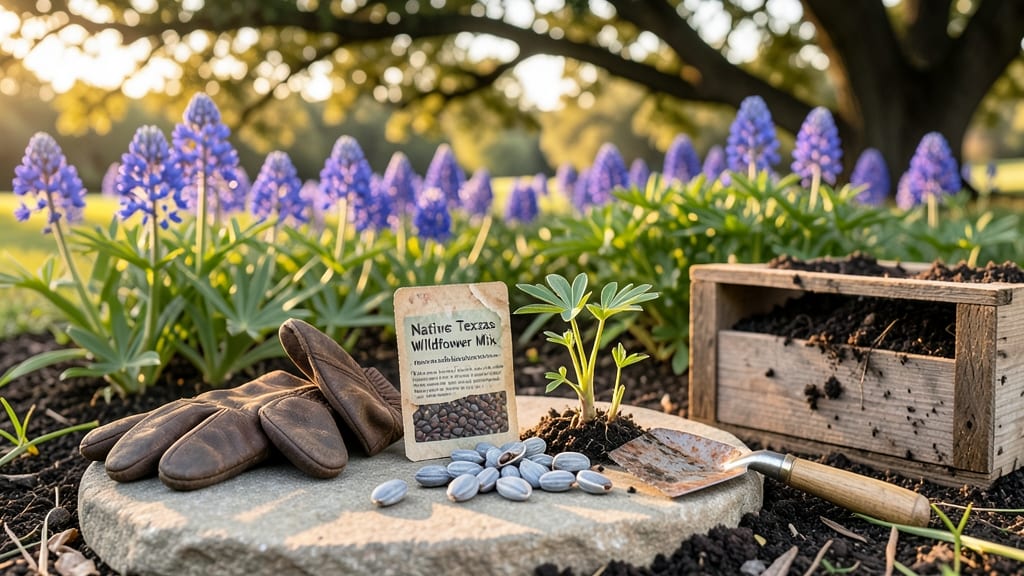
Planting wildflower seeds in Texas at the wrong time means waiting months—or even years—for those vibrant blooms you dream of. The key to unlocking a springtime explosion of bluebonnets and winecups lies in understanding your region's unique climate quirks.
While Texas' 6a-10b zones offer year-round planting flexibility, fall and early spring emerge as the best windows for most native species. North Texas gardeners should aim for late winter to early spring, while South Texas' milder winters allow for extended fall planting opportunities.
I'll walk you through the exact months that work best for your specific area, plus soil prep secrets that make all the difference between thriving wildflowers and disappointed dreams. Let's get those seeds in the ground when they'll have the best shot to flourish.
Whether you're transforming a drought-prone yard or creating pollinator havens, timing is everything. You'll discover how to read your local microclimate, choose the right seed mixes, and establish watering routines that work with Texas' unpredictable rainfall patterns—not against them.
Texas wildflower planting calendar by region: optimal months for maximum blooms
Texas’ vast landscapes mean one planting schedule doesn’t fit all. From the frost-prone Panhandle to the mild Gulf Coast, timing your wildflower seeds depends on microclimates and native species.
Plant too early, and frost will kill tender sprouts; too late, and summer heat will scorch seeds before they germinate. Let’s break down the best months by region to ensure your wildflowers thrive.
Most Texas gardeners swear by fall planting—especially for perennial wildflowers like bluebonnets and Indian paintbrush. The cool soil and consistent rainfall give seeds the best chance to establish roots before summer’s heat.
But annuals like cosmos and zinnias can handle late-winter or early-spring sowing, especially in warmer zones like South Texas.
I’ve spent years testing planting windows across Texas, and the sweet spot for most regions is September through November. This aligns with natural rainfall patterns and avoids the scorching summer sun that can bake seeds into the soil.
However, North Texas gardeners often push planting into early December to beat frost, while South Texas growers may sow as late as January.
Here’s the region-specific breakdown you need to plan your wildflower garden like a pro:
For North and Central Texas, I recommend late September as the absolute best time. This gives seeds time to germinate before winter rains and avoids the brutal summer drought.
In West Texas, where summers are even hotter and drier, planting in late summer lets seeds take advantage of monsoon rains in July and August.
If you’re in South Texas, don’t wait until spring—winter planting is your golden ticket. The cooler temperatures and higher humidity create perfect conditions for tropical and subtropical species like lantana and evening primrose.
Pro tip: Cover seeds lightly with straw mulch to retain moisture in the hot, windy coastal areas.
What about spring planting? It’s possible, but riskier. If you must plant in spring, aim for February or March in North Texas or January in South Texas. The key is to keep seeds moist until they germinate—summer heat will dry them out in days.
I’ve had success with shade cloth over newly sown seeds to buy time for roots to establish.
One mistake I see often? Planting annual wildflowers in summer. While some heat-tolerant species like cosmos can handle it, most will bolt or fail to germinate. Instead, save summer for transplanting established seedlings or direct-sowing heat-loving varieties like zinnias and sunflowers.
Remember: Texas wildflowers are tough, but they still need a helping hand with timing. Whether you’re chasing bluebonnet meadows or a pollinator paradise, aligning your planting with local climate patterns is the secret to vibrant, long-lasting blooms. 🌼
5 Critical factors that determine your wildflower planting success in Texas
Timing your wildflower seeds isn't just about months—it's about understanding five critical factors that make or break success in Texas' unpredictable climate. I've learned the hard way that even the best planting window can fail if these conditions aren't met.
Let's dive into what truly matters beyond just the calendar.
First, soil moisture is the #1 factor most Texas gardeners overlook. Wildflower seeds need consistent moisture to germinate, but overwatering can suffocate them. The key is light, frequent watering (like a gentle rain) until seeds sprout.
I've seen seeds fail spectacularly when gardeners drown them thinking they need more water—Texas wildflowers are drought-tolerant once established, not during germination.
Here are the five non-negotiable factors that determine whether your seeds will thrive or wither:
Seeds need soil between 60-75°F to germinate. Use a soil thermometer—I've planted at 80°F and watched seeds bake before sprouting.
Most wildflower seeds need no burial—just press lightly into soil. Bluebonnets actually need light to germinate! Planting too deep = failed sprouts.
Plant when natural rains are forecasted. In West Texas, I time planting with monsoon season (July-August) for desert species.
Texas winds can bury or scatter seeds. Use temporary windbreaks (like straw bales) until seeds establish roots.
City soils often have compacted layers that block roots. Amend with compost or plant in raised beds for better success.
The biggest mistake I see? Ignoring soil temperature. I once planted bluebonnets in April in North Texas when soil was still 85°F—they never sprouted. Always check soil temp first. For drought-prone areas, I recommend hydro-mulching (a thin layer of water-absorbing gel) to keep seeds moist during germination.
Another pro tip: Test your soil's moisture-holding capacity before planting. In sandy West Texas soils, seeds dry out in hours, while clay soils in East Texas can suffocate them.
The perfect balance is light, crumbly soil that holds moisture but drains well. If your soil feels sticky when wet, mix in sand and compost.
Remember, Texas wildflowers are survivors, but they still need optimal conditions to get started. Pay attention to these five factors, and you'll see germination rates that will make you a local legend. The right timing plus these conditions = vibrant blooms that will last for years. 🌱