
Plants
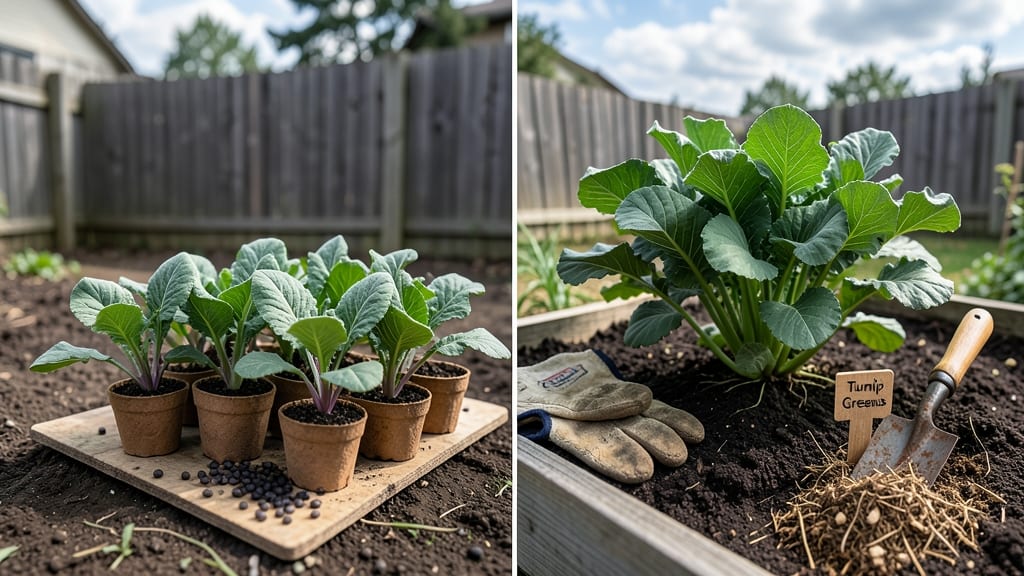
Planting turnip greens at the wrong time in Tennessee’s Zone 7a/7b can turn your garden into a bitter disappointment instead of a nutrient-packed harvest. These cold-hardy greens thrive when sown just right—too early, and frost zaps their potential; too late, and summer heat sends them bolting.
The secret lies in understanding your local frost dates and soil temperatures.
For most Tennessee gardeners, the ideal window opens in early March for spring plantings, giving you tender leaves by May. But don’t stop there—fall is your second chance, with August through early September sowings yielding harvests before the first frost in mid-October.
This dual strategy ensures a steady supply of 🥬 greens whether you’re whipping up soups or freezing for winter.
What makes timing so critical? Turnip greens are finicky about temperature. They germinate best in soil above 45°F but bolt when days stretch past 75°F. That’s why succession planting—staggering seeds every 2-3 weeks—becomes your best friend. It’s a game-changer for extending harvests and avoiding waste.
Ready to master the Tennessee turnip greens timeline? I’ll walk you through exact frost-free dates, soil prep secrets, and how to outsmart heat spikes for a garden that delivers month after month. Let’s get those seeds in the ground the right way.
Ideal planting windows for turnip greens in Tennessee’s Zone 7a/7b
In Tennessee’s Zone 7a/7b, turnip greens thrive in cool weather but bolt quickly when temperatures rise above 75°F. The key to a successful harvest lies in planting at the right time—typically 4-6 weeks before the last frost in spring and 6-8 weeks before the first frost in fall.
For most of Tennessee, this means two prime windows: late February to early April for spring and mid-August to early September for fall.
Turnip greens are cold-hardy and can even tolerate light frosts, but they struggle in summer’s heat. If you miss the spring window, don’t worry—fall planting often yields the sweetest greens. Just ensure soil temperatures stay below 80°F for optimal germination.
In Tennessee’s higher elevations (e.g., East Tennessee), you can plant 2-3 weeks earlier than in West Tennessee’s hotter zones.
Soil preparation is just as critical as timing. Turnip greens prefer well-draining, slightly acidic soil (pH 6.0-7.0). Work in 2-3 inches of compost before planting to improve fertility and moisture retention. If your soil is heavy clay, consider raised beds or mounds to prevent waterlogging, which can stunt growth.
Pro Tip: For a head start, sow seeds indoors under grow lights 4-6 weeks before your target outdoor planting date. This extends your growing season and helps you beat Tennessee’s unpredictable spring weather. Just remember to harden off seedlings for 7-10 days before transplanting.
| Planting Window | Soil Temp Requirement | Days to Germination | Key Considerations |
|---|---|---|---|
| Late February - Early April (Spring) | 45-65°F | 4-7 days | Avoid planting too early if frost is forecasted. |
| Mid-August - Early September (Fall) | 50-70°F | 5-10 days | Prioritize shade cloth if temps exceed 80°F. |
| Early October (Late Fall - Risky) | 40-55°F | 7-14 days | Use row covers to protect from early frosts. |
🌱 Note: Adjust timing 1-2 weeks based on microclimates (e.g., urban heat islands or mountain valleys).
If you’re growing turnip greens in containers or raised beds, you can push the spring planting window 1-2 weeks earlier because containers warm up faster. Just ensure they have drainage holes and use a lightweight potting mix to prevent compaction.
For in-ground planting, choose a spot with 6+ hours of sunlight and loosen the soil to a depth of 12 inches to encourage root growth.
One common mistake in Tennessee gardens is planting turnip greens too late in spring, only to watch them bolt as temperatures rise. To avoid this, plant successive batches every 2 weeks from March through early May.
This staggered approach ensures a steady supply of greens before the heat sets in. For fall, focus on planting by late August at the latest to allow enough time for harvest before winter.
For gardeners in West Tennessee’s hotter zones (e.g., Memphis), consider using shade cloth (30-50%) during peak summer months to protect seedlings from heat stress. In East Tennessee’s cooler microclimates (e.g., Knoxville), you might even squeeze in a third planting in late September for a late-fall harvest.
Always monitor your local frost dates—the USDA Plant Hardiness Zone Map and Almanac’s Frost Calculator are invaluable tools.
After planting, maintain consistent moisture by watering at the soil line (not the leaves) to prevent fungal diseases like downy mildew. Mulch with straw or shredded leaves to retain moisture and suppress weeds.
Within 3-4 weeks, you’ll see those first bright green leaves emerge—ready for harvest! Just remember: harvest outer leaves first to encourage regrowth and extend your harvest window.
In Tennessee’s climate, turnip greens planted at the right time can yield harvests for 4-6 weeks in spring and 6-8 weeks in fall. With the right timing and care, you’ll enjoy a bounty of nutrient-rich greens that are perfect for soups, salads, or sautéing. Happy planting! 🌿
Ideal planting windows for turnip greens in Tennessee’s Zone 7a/7b
Tennessee’s Zone 7a/7b climate offers two prime windows for planting turnip greens: early spring and late summer. These periods align with soil temperatures and daylight hours that prevent bitter flavors or bolting—common issues when planted at the wrong time.
For spring plantings, aim for 4-6 weeks before your last frost date (typically mid-March to early April in most areas).
Fall plantings should occur 6-8 weeks before your first frost (usually late August to early September). This timing ensures greens mature before cold snaps but avoids the heat stress of late summer. My East Tennessee garden thrives with fall plantings in early September, yielding tender leaves until mid-November.
| Planting Window | Soil Temp Requirement | Days to Germination | Key Considerations |
|---|---|---|---|
| Early Spring | 40-50°F | 5-10 days | Cold-hardy; mulch for frost protection |
| Late Summer | 50-60°F | 7-14 days | Shade cloth for heat; avoid drought stress |
| Winter (Cover Crops) | 35-45°F | 10-20 days | Row covers for protection; harvest before hard freeze |
For optimal germination, soil temperatures must stay above 40°F. Use a soil thermometer to verify—cold, wet soils delay sprouting. My West Tennessee garden often needs a black plastic mulch in early spring to warm the soil faster.
If planting in containers, use heat mats for cooler microclimates like higher elevations (e.g., Great Smoky Mountains areas).
Heat tolerance is another critical factor. Turnip greens bolt (flower prematurely) when daytime temps exceed 80°F for 3+ days. In Tennessee’s humid summers, I opt for shade cloth (30-50%) during late July plantings to prevent this.
Varieties like 'Southern Giant Curled' handle heat slightly better than 'Tokyo Cross', which bolts faster.
Don’t overlook microclimate variations across Tennessee. Urban areas like Nashville experience heat islands that can push planting windows earlier by 1-2 weeks compared to rural Middle Tennessee.
Always check your local frost dates (via Almanac.com) and adjust by 1-2 weeks for safety. For example, Chattanooga’s higher elevation delays spring planting by 7-10 days.
Pro tip: Direct-sow seeds ½ inch deep, 1 inch apart, in rows 12 inches apart. Thin seedlings to 4-6 inches apart when they’re 2 inches tall to prevent competition.
This spacing ensures maximum leaf production and easier harvesting. In my fall plantings, I often interplant with radishes (which mature faster) to mark turnip green rows.
Remember, succession planting every 2 weeks in spring/fall extends harvests. This method works beautifully in Tennessee’s climate, giving you greens from April through November with minimal effort. Start small—just 5-10 plants—to test your local timing before scaling up!