
Plants
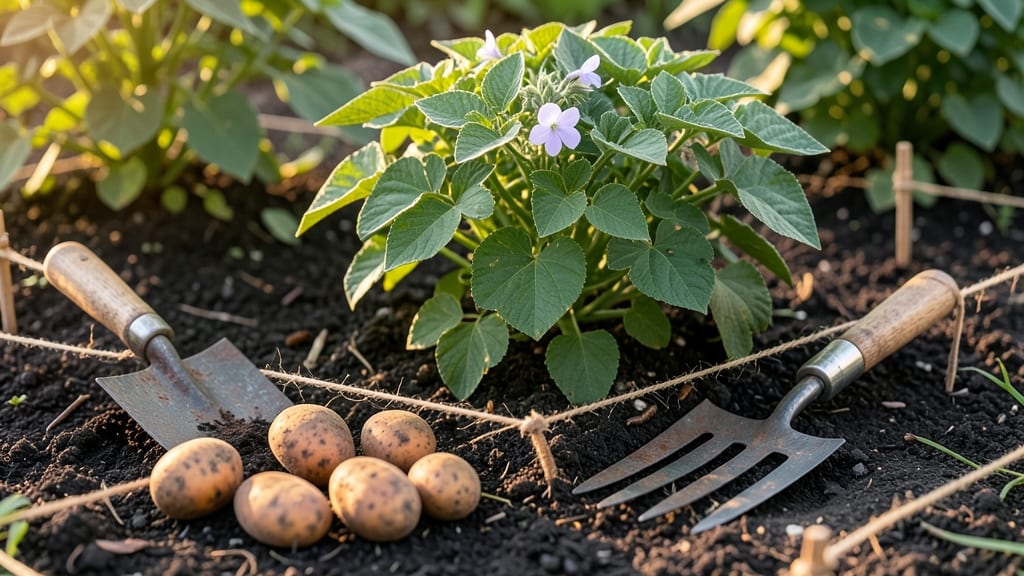
When do you plant potatoes in Idaho? Timing your potato planting here isn’t just about the calendar—it’s about elevation, soil warmth, and avoiding those cruel late-spring frosts that can wipe out your 🥔 harvest before it starts. Get it right, and you’ll enjoy bumper crops of russets and fingerlings; get it wrong, and you’ll be digging up sad, stunted tubers (or worse, nothing at all).
Here’s the secret: Idaho’s climate varies wildly from the low deserts near Boise to the high mountain valleys where snow lingers into June. That means your planting window could be 6 weeks earlier in one zone than another—and guessing won’t cut it.
I’ll break down the exact frost-free timelines you need, so you can plant with confidence, whether you’re a backyard gardener or a small-scale farmer.
You’ll learn how to check soil temperature (yes, it matters more than you think), which potato varieties thrive at your elevation, and the 3 critical mistakes Idaho growers make that sabotage their yields. No more second-guessing—just a clear, science-backed roadmap to your best potato crop yet.
Ready to dig in? Let’s turn your Idaho garden into a 🥔 powerhouse—starting with the perfect planting window for your specific zone.
Idaho potato planting calendar by elevation Zone (with frost dates)
Idaho’s three distinct elevation zones—low desert, mid-elevation, and high mountain—each demand a different potato planting strategy. The last spring frost and soil warming rates vary dramatically, so timing is everything.
In Boise’s USDA Zone 7a, you might plant in early April, while gardeners in Zone 4 mountain valleys should wait until late May or even June.
To simplify, I’ve mapped out ideal planting windows for each zone, including adjustments for early varieties (like Yukon Gold) versus late-season potatoes (such as Russian Banana). These windows ensure your tubers sprout before consistent 50°F soil temps arrive—critical for healthy growth.
Let’s break it down by zone so you can plant with confidence.
🌱
For low desert gardeners, early April is prime time for early varieties like Yukon Gold or Red Pontiac. These potatoes tolerate cooler soils and mature quickly.
If you’re in Zone 7a, you can even squeeze in a fall planting of fingerling potatoes in late August for a harvest before the first frost.
Mid-elevation areas like McCall or Sandpoint should wait until late April for early varieties and mid-May for late-season types. The cooler nights here slow soil warming, so don’t rush—planting too early in cold soil leads to rot and poor sprouting.
Use a soil thermometer ($10 at garden centers) to confirm 50°F+ soil temps before planting.
High mountain gardeners face the toughest challenge: a short growing season. In Sun Valley or Stanley (Zones 3b-4a), focus on fast-maturing varieties like Red LaSoda or Gold Rush. Plant no earlier than late May, and accept that late varieties won’t have time to fully mature.
Extend the season with row covers or cold frames for a few extra weeks of growth.
Pro tip: Check Idaho’s USDA Plant Hardiness Zone Map for your exact location—microclimates can shift planting windows by 2-3 weeks. For example, Boise’s airport (Zone 7a) may plant in early April, while a nearby foothill (Zone 6b) might need to wait until mid-April.
Always plant after the last frost, but don’t wait too long—potatoes need 90-120 days to mature, and Idaho’s summers are short in many areas.
🌿
If you’re unsure about your last frost date, use the Idaho Master Gardener Program’s frost calendar or local agricultural extension office for data specific to your county.
For instance, Lewiston (Zone 6a) averages its last frost on April 15, while Moscow (Zone 5b) typically waits until May 1. These dates are your planting deadlines—don’t push them.
For container growing in Idaho, adjust your timeline by 1-2 weeks later than in-ground planting. Pots warm up more slowly, and roots are more vulnerable to temperature fluctuations.
If you’re using containers, start seeds indoors in March and transplant after the last frost, ensuring pots are at least 12 inches deep
How soil temperature and chilling hours affect Idaho potato growth
Idaho’s cold winters and rapid spring soil warming create a unique growing environment for potatoes. Unlike warmer climates, Idaho potatoes need chilling hours (40–60°F for 30–60 days) to break dormancy.
Planting too early in cold soil (below 45°F) stunts growth, while waiting too long risks late-season pests or frost. Understanding these factors ensures your potato tubers develop properly.
Soil temperature is critical—potatoes thrive when soil reaches 45–55°F. Use a soil thermometer to check depth (4–6 inches).
In Idaho’s low desert zones, soil warms faster (by late April), while high mountain areas may need to wait until June. Chilling hours also vary by variety: early types (like Yukon Gold) need fewer, while late varieties (like Russet Burbank) require more.
Here’s how to test soil readiness without guesswork:
Idaho’s microclimates mean your neighbor’s perfect planting time might not work for you. For instance, Boise’s low desert (USDA Zone 7) can plant 2–3 weeks earlier than Sandpoint’s high mountain zone (Zone 5). Always align your planting with local frost dates and soil conditions, not just calendar months.
Pro tip: If you’re in doubt, opt for early-maturing varieties (60–75 days to harvest) to avoid late-season risks. Varieties like Red Norland or Fingerling potatoes are great choices for Idaho’s shorter growing seasons in higher elevations.
Pair this with proper hilling (piling soil around stems) to protect tubers from temperature fluctuations.
Remember, consistent soil warmth (not just air temperature) is key. Cold soil slows root development, leading to smaller yields or misshapen tubers. By mastering these factors, you’ll ensure your Idaho potato patch thrives from sprout to harvest. 🥔