
Companion Plants
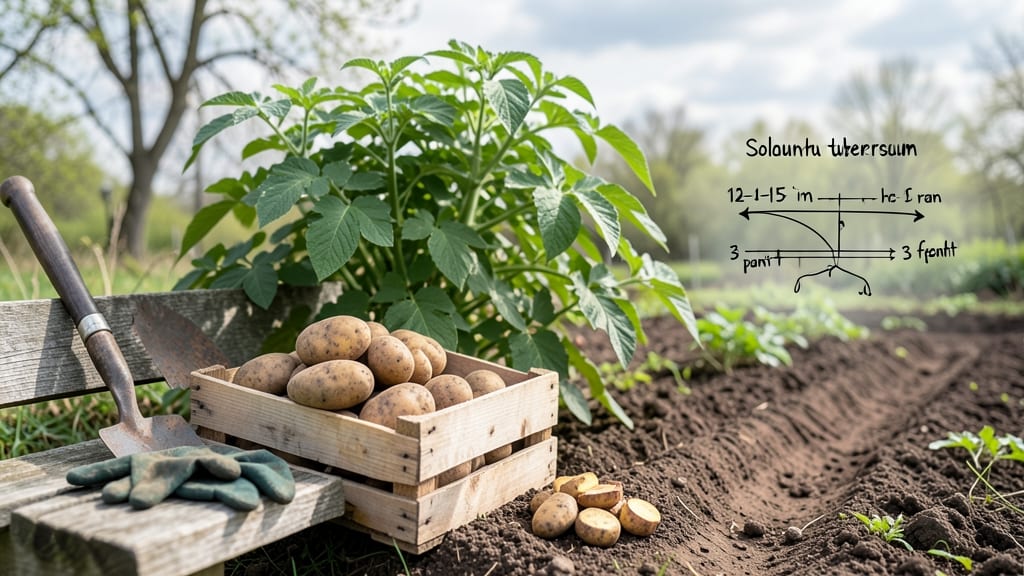
Planting potatoes in Michigan isn’t just about tossing them in the dirt and hoping for the best—it’s about beating the clock against frost and short growing seasons. With 5b-6b zones and unpredictable spring weather, timing matters more than you’d think.
The wrong window could mean stunted tubers or a crop lost to late frosts, while the right approach guarantees a harvest of crisp, homegrown 🥔 by summer.
Most gardeners in Michigan swear by early May as the sweet spot for planting, but the truth is more nuanced. Whether you’re in the Upper Peninsula or the Lower Peninsula, soil temperature and frost risk zones play a bigger role than you might expect.
I’ll break down the exact windows for both early and late varieties, so you can avoid common mistakes that waste time and effort.
You don’t need a degree in agriculture to get this right—just a few key strategies. From choosing cold-hardy varieties like Yukon Gold to prepping your soil for faster warming, I’ll show you how to extend your growing season and maximize your yield.
Let’s get those spuds in the ground the smart way.
Ready to dig in? By the end of this guide, you’ll know exactly when to plant, how deep to bury those seed potatoes, and even how to protect your crop if Mother Nature throws a curveball. No more guessing—just a foolproof plan for Michigan’s unpredictable climate.
Michigan potato planting calendar: best times by region (including frost risk zones)
Michigan’s frost dates vary dramatically between the Upper Peninsula, Northern Lower Peninsula, and Southern Michigan, making a one-size-fits-all approach risky. The last spring frost can arrive as early as April 15 in southern regions but often lingers until May 15 or later in the UP.
To maximize your harvest, align planting with your USDA Zone (5a-6b) and local frost history.
For early varieties, aim to plant 2-4 weeks before your last frost date.
This gives tubers time to establish roots before summer heat peaks. Late varieties can wait until mid-May to June 1, but they’ll need 90-120 days to mature before Michigan’s first fall frost (typically October 15 in southern areas, earlier in the north).
Soil temperature is just as critical as air temperature. Potatoes thrive when soil reaches 45°F (7°C)—use a soil thermometer to confirm readiness.
In colder regions like the UP, soil may not warm up until late May, delaying planting by weeks. Black plastic mulch can warm soil by 5-10°F, giving you an earlier start.
Here’s how Michigan’s three key regions differ in planting windows and frost risks:
If you’re in the Upper Peninsula, prioritize early-maturing varieties (under 90 days) to avoid fall frosts. In Southern Michigan, you can afford slightly later plantings (up to June 1) for longer-season varieties like Yukon Gold.
Always check your local Michigan State University Extension frost maps for year-to-year variations.
Pro tip: Use row covers or cold frames to extend your season by 2-3 weeks in both spring and fall. This is especially useful in the UP, where the growing season is just 120-140 days.
Even a lightweight frost blanket can protect tender shoots from unexpected 28°F (-2°C) dips in late spring.
For succession planting, stagger your plantings every 2 weeks to ensure a continuous harvest. For example, plant 30% of your crop in early April, another 30% in mid-April, and the final 40% in late April.
This strategy works best in Southern Michigan but can be risky in colder zones if late frosts hit.
Always plant seed potatoes (not grocery store potatoes) in well-draining soil with a pH of 5.0–6.5. Amend heavy clay soils with compost or sand to prevent rot. In waterlogged areas, raise beds or plant on mounds to improve drainage—a common issue in Michigan’s glacial till soils.
Monitor your garden with a frost alarm or local weather alerts. Michigan’s lake-effect weather can bring sudden temperature swings, especially near the Great Lakes. If frost is forecasted within 48 hours of planting, delay until soil warms or use row covers to protect young plants.
Pro tips to extend Michigan’s potato growing season (and avoid common mistakes)
Michigan’s unpredictable spring frosts can turn your potato dreams into soggy disappointment—but with the right strategies, you can extend your harvest window by weeks. The key? Warm soil, protective layers, and smart timing to outsmart Mother Nature’s late surprises.
First, start seeds indoors 4-6 weeks before your last frost date (usually mid-April for most of Michigan). Use biodegradable pots to transplant seedlings directly into the garden after soil reaches 45°F. This gives you a 2-week head start on frost-sensitive growth.
🌱
⚠️ Common Mistakes That Wreck Michigan Potatoes
- Planting too early – Cold soil (<45°F) stunts growth. Wait for consistent 50°F+ days.
- Ignoring drainage – Waterlogged soil = rot. Test your soil and amend with compost or sand if needed.
- Skipping row covers – Even after planting, a frost blanket can add 2-4°F protection for late-season sprouts.
- Over-fertilizing with nitrogen – Too much green growth = fewer tubers. Use balanced 10-10-10 instead.
These pitfalls turn promising starts into failed harvests. Avoid them!
For late-season success, try succession planting: Sow a second batch of seed potatoes in early June for a harvest in September-October. Choose longer-maturing varieties like Kennebec (110 days) or Russet Burbank (120 days) for this approach.
Another game-changer? Black plastic mulch. Lay it down 2 weeks before planting to warm soil by 5-10°F. This lets you plant 2-3 weeks earlier and harvest 1-2 weeks later than traditional methods. Just remove it before flowering to avoid overheating tubers.
Finally, harvest strategically: Early varieties (like Red Pontiac) can be dug in July to make room for fall crops. For main-season potatoes, wait until foliage yellows but before hard frost (usually late September in Michigan).
Cure harvested potatoes at 55-60°F and 85% humidity for 1-2 weeks to toughen skins and prevent spoilage.
With these tricks, you’ll beat Michigan’s short season and enjoy homegrown spuds from July to October—no sad, frost-nipped plants in sight! 🥔