
Plants
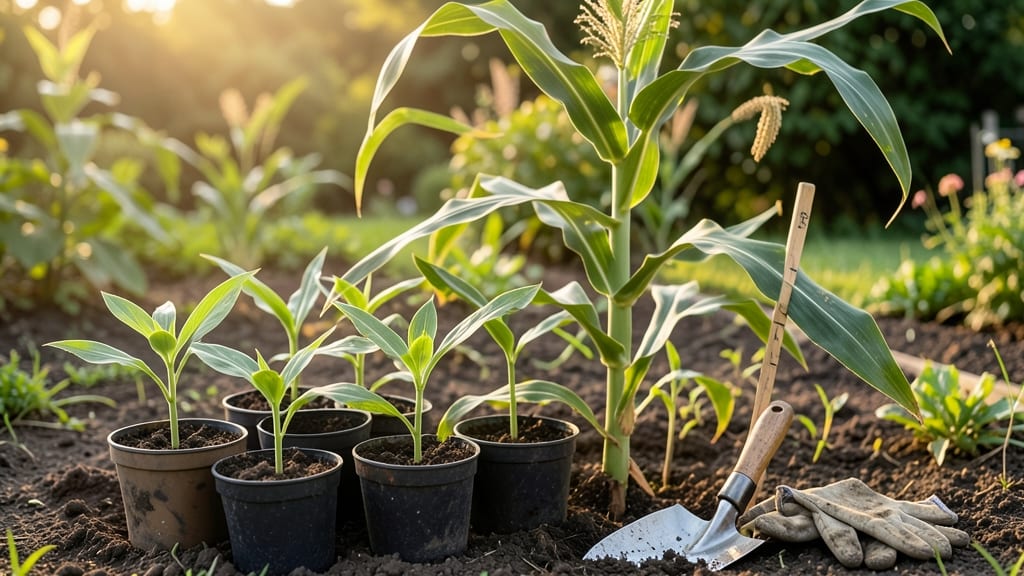
Planting corn in Oregon isn't as simple as tossing seeds in the dirt—getting the timing right means the difference between a bountiful harvest and a wasted effort. With USDA zones 7b-9a and microclimates ranging from coastal chill to inland warmth, knowing when to start those 🌽 seeds is everything.
Most gardeners in Oregon wait until mid-April to late May, but that window shifts depending on whether you're in the Willamette Valley or the high desert. Too early, and frost will nip your seedlings; too late, and summer’s end cuts your growing season short.
I’ll break down the exact frost-free timelines for your region so you can plant with confidence.
You’ll also discover how soil temperature plays a bigger role than most people realize—corn needs 50°F soil to thrive, and I’ll show you how to check it before planting. Whether you’re direct-sowing or starting indoors, these tips will help you avoid common mistakes and maximize your yield.
Ready to grow corn that’s ready to harvest by July? Let’s dive into the perfect planting schedule for your Oregon microclimate and set you up for success.
Oregon’s frost-free planting zones for corn: when to start seeds indoors vs. direct sowing
Timing your corn planting in Oregon depends heavily on your microclimate zone. The state spans USDA zones 6b–9a, meaning coastal areas like Astoria have cooler, wetter springs, while high-desert regions like Bend experience earlier soil warming.
For most gardeners, direct sowing outdoors is the preferred method—corn doesn’t transplant well—but starting seeds indoors can give you a head start in high-altitude zones.
Your last frost date is the critical benchmark. In Western Oregon (USDA 7b–8a), this typically falls between late April and early May. In Eastern Oregon (USDA 8b–9a), you can plant 2–3 weeks earlier, often by mid-April.
Always wait until soil temperatures reach at least 50°F—corn seeds won’t germinate in cold soil, and rot risk increases.
🌽 Key Takeaway: Coastal Oregon gardeners should aim for May 1–15 for direct sowing, while inland areas can start as early as April 15. High-desert zones may even see March planting in sheltered microclimates.
| Region | USDA Zone | Last Frost Date | Direct Sow Window | Indoor Start (If Needed) |
|---|---|---|---|---|
| Coastal (Astoria, Cannon Beach) | 7b–8a | May 1–15 | May 15–June 1 | Start indoors March 15–April 1 |
| Willamette Valley (Portland, Salem) | 8a–8b | April 20–May 5 | April 30–May 15 | Start indoors March 1–March 15 |
| High Desert (Bend, La Pine) | 8b–9a | April 1–April 15 | April 15–May 1 | Start indoors Feb 15–March 1 |
For direct sowing, plant seeds 1–1.5 inches deep and 12 inches apart in rows 30–36 inches apart. Corn thrives in warm soil, so use a soil thermometer to confirm 50°F+ temperatures at a depth of 2 inches.
If nights are still chilly (below 50°F), use row covers or plant in black plastic mulch to warm the soil faster.
If you’re starting seeds indoors (for high-altitude zones), begin 4–6 weeks before your last frost date. Use biodegradable pots to avoid transplant shock, and keep seedlings in a sunny window or under grow lights for 12–14 hours of light daily.
Harden off seedlings for 5–7 days before transplanting, as corn is sensitive to root disturbance.
Pro tip: Succession planting is key for a continuous harvest. In cooler zones, stagger plantings every 2 weeks from May through June. In warmer zones, you can even squeeze in a late-June planting for a fall harvest if you choose fast-maturing varieties (under 90 days to maturity).
Watch for late frosts, especially in valley bottoms where cold air pools. Use the National Weather Service’s frost prediction tools or local CoCoRaHS weather stations to track 32°F+ lows. If frost threatens after planting, cover seedlings with frost cloth or a lightweight blanket.
Remember, corn is wind-pollinated, so plant at least 40–50 plants (or 4–5
How to adjust corn planting dates for Oregon’s unpredictable weather patterns
Oregon’s weather can be as unpredictable as a Pacific Northwest storm, with late frosts lingering into May or early heatwaves arriving by June. To protect your corn crop, flexibility is key.
I’ve learned to adjust planting dates based on soil temperature, frost alerts, and even neighborhood microclimates—like whether your garden sits in a frost pocket or enjoys urban heat islands.
Start by monitoring local frost dates from resources like the Oregon State University Extension or National Weather Service. These tools provide real-time updates on frost risks, helping you avoid planting too early.
For example, in Portland’s USDA Zone 8a, last frost can occur as late as April 20th, while Bend’s Zone 7b might see frost until May 10th.
Use a soil thermometer to confirm when temperatures hit 50°F—corn seeds won’t sprout below this mark. In cooler zones like coastal Oregon, wait until mid-May for direct sowing.
For inland areas, you might start as early as late April, but always have a backup planting date ready for late frosts.
🌱 5 Key Adjustments for Oregon’s Weather
- 📅 Check frost dates weekly—use OSU Extension alerts for updates.
- 🌡️ Wait for soil at 50°F+—corn seeds rot in cold, wet soil.
- 🌿 Start indoors 2-3 weeks early in high-risk zones (e.g., coastal Oregon).
- ☀️ Plant early varieties (e.g., ‘Early Sunglow’) if frost lingers.
- 🔄 Have a backup date—if frost hits, replant with fast-maturing seeds.
If you’re in a high-desert area like Pendleton, early heat can dry out soil quickly. Here, I opt for shade cloth during the day and mulch to retain moisture. Conversely, in western Oregon’s foggy zones, I extend the planting window into early June to avoid damp, slow-warming soil.
For urban gardeners, microclimates matter even more. A south-facing wall can add 2-3 weeks to your frost-free season, while a shady backyard might delay planting until late May. Always observe your garden’s unique conditions—what works for a neighbor’s Willamette Valley plot may not suit yours.
Pro tip: Keep a planting journal to track your local patterns. Note when frosts occur, how quickly soil warms, and which varieties thrive. Over time, you’ll refine your corn planting schedule to Oregon’s quirks—because no two years (or gardens) are alike. 🌽