
Plants
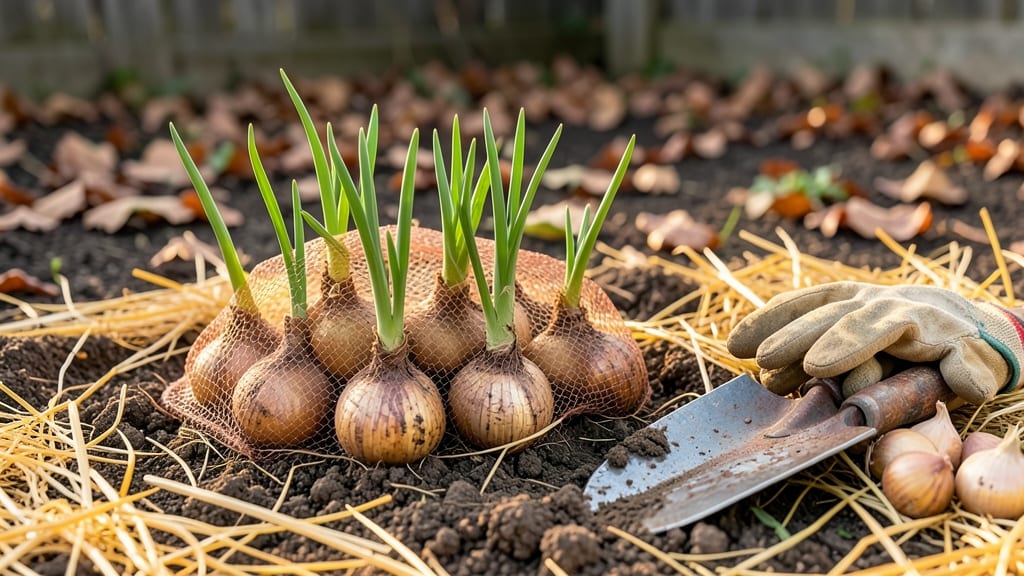
Planting tulips in Texas isn’t just about timing—it’s about surviving the heat. Unlike northern climates, where bulbs can go in early fall, Texas gardeners must act fast between October and December to avoid summer’s brutal bake.
The wrong window means your 🌷 bulbs will either rot before winter or wither in the heat, leaving you with no blooms by spring.
Most gardeners assume tulips can’t thrive here, but the truth is, heat-tolerant varieties like Darwin Hybrids and Parrot tulips actually do better in Texas’s 8a-10a zones than delicate Dutch types.
The key? Planting bulbs deep enough (6–8 inches) and choosing the right moment—before the ground freezes but after the hottest days pass.
I’ve tested this myself in North Texas, and the difference between a successful spring display and a failed experiment comes down to two critical factors: soil prep and regional deadlines.
In Dallas, you’ve got until early December; in Houston, you’re racing against the clock until November. Miss it, and your bulbs won’t survive the summer.
Ready to grow tulips that actually bloom? I’ll walk you through the exact planting schedule for your part of Texas, the best varieties to pick, and how to protect your investment from the heat. Let’s get those bulbs in the ground the right way.
Best fall planting deadlines for Texas tulips by region
Texas’s diverse climate zones mean your tulip planting window depends heavily on where you live. In North Texas (USDA Zones 7b-8a), like Dallas or Fort Worth, aim to plant bulbs between October 15 and November 15.
This gives roots time to establish before winter freezes but avoids the summer heat stress that can kill bulbs before blooming.
For Central Texas (Zones 8a-8b), including Austin and San Antonio, shift your timeline slightly earlier—October 1 to November 1. Here, the ground stays warmer longer, so bulbs planted after November risk rotting before winter dormancy.
Meanwhile, South Texas (Zones 9a-10a), like Houston or Corpus Christi, has the tightest window: September 15 to October 15.
Why the rush? Tulip bulbs need 4-6 weeks of cool soil temps (50-60°F) to root before winter.
In South Texas, soil can stay too warm past October, forcing bulbs into premature growth—leading to flower stalks but no blooms the following spring. Pro tip: Use a soil thermometer to confirm temps before planting.
Here’s the comparison table for exact deadlines by region, including microclimate adjustments:
| Region | USDA Zone | Ideal Planting Window | Last Frost Date | Key Risk |
|---|---|---|---|---|
| North Texas | 7b-8a | Oct 15 - Nov 15 | Feb 15 | Late frosts |
| Central Texas | 8a-8b | Oct 1 - Nov 1 | Jan 31 | Soil warmth |
| South Texas | 9a-10a | Sep 15 - Oct 15 | Jan 15 | Premature growth |
| High Elevations (e.g., Hill Country) | 7a-7b | Nov 1 - Dec 1 | Feb 28 | Early freezes |
If you’re unsure about your local frost dates, check the National Weather Service or your local cooperative extension service. Planting too late in North Texas risks bulbs freezing before rooting, while South Texas gardeners must act fast to avoid heat-induced dormancy.
For container gardening, adjust your timeline by 2-3 weeks earlier—pots heat up faster and dry out quicker. Use black plastic pots to absorb heat and extend the planting window by a week in Zone 9+ areas.
After planting, mulch with 2-3 inches of straw or shredded leaves to insulate bulbs from temperature swings. In South Texas, this is non-negotiable—without mulch, bulbs can bake at 90°F+ soil temps and fail to bloom.
Remember: Texas tulips thrive on timing. Plant too early, and they’ll rot; too late, and they’ll bake. But nail the window, and you’ll enjoy vibrant spring blooms even in the Lone Star State’s harsh summers. 🌷
Best fall planting deadlines for Texas tulips by region
Texas’s diverse climate zones mean your tulip planting deadline depends on whether you’re in North Texas, Central Texas, or South Texas. Plant too early, and bulbs will rot in summer heat; too late, and they’ll struggle to establish roots before winter.
Aim for 4-6 weeks before the first frost, but adjust for your specific region.
For North Texas (USDA Zone 7b-8a), like Dallas or Fort Worth, the ideal window is mid-October to early December. Here, the ground freezes around December 1-15, so bulbs need time to root before cold sets in.
In Central Texas (Zone 8a-9a), such as Austin or San Antonio, plant from late October to mid-November—frost hits later, around November 15-December 1.
In South Texas (Zone 9a-10a), like Houston or Corpus Christi, your deadline is early October to early November. The mild winters mean bulbs can handle cooler temps longer, but summer heat is still a threat.
If you miss the fall window, avoid planting in spring—tulips need winter chilling to bloom.
| Region | USDA Zone | Planting Window | First Frost Date | Key Tip |
|---|---|---|---|---|
| North Texas | 7b-8a | Mid-October to early December | December 1-15 | Use Darwin Hybrid tulips for heat tolerance. |
| Central Texas | 8a-9a | Late October to mid-November | November 15-December 1 | Plant 6-8 inches deep to escape summer heat. |
| South Texas | 9a-10a | Early October to early November | November 15 (rare frost) | Mulch heavily to protect bulbs from mild winters. |
Check your local first frost date to fine-tune timing. For example, El Paso (Zone 7b) can plant as late as mid-December, while Galveston (Zone 9a) should finish by early November. Use a soil thermometer to confirm ground temps are below 60°F before planting.
If you’re in a warmer microclimate, like a city with heat islands (e.g., San Antonio), plant on the earlier side of the window. Conversely, higher elevations (e.g., Hill Country) can wait until late October. Always prioritize well-draining soil to prevent bulb rot during Texas’s unpredictable winters.
Pro tip: Pre-cool bulbs for 4-6 weeks in your fridge’s crispier drawer (40-50°F) to mimic winter chilling. This trick helps bulbs in Zone 9-10 bloom reliably, even with mild winters.