
Plants
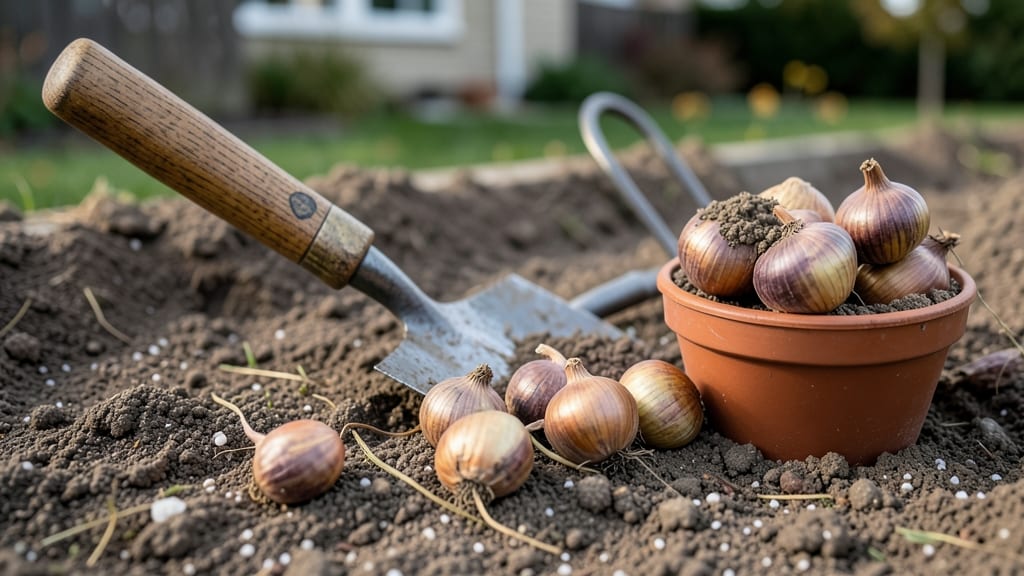
Planting tulip bulbs 🌷 in California isn’t just about timing—it’s about outsmarting the state’s wild climate swings. Unlike other regions where frost signals the perfect window, California’s coastal chill and inland warmth demand a zone-specific approach to avoid soggy bulbs or missed blooms.
Most gardeners assume late fall is the only time to plant, but in USDA zones 9-10, you’ve got flexibility—coastal areas can tuck bulbs in as late as December, while inland valleys should aim for October.
The key? Planting 4-6 weeks before your first frost, whether that’s mid-November in the Bay Area or early October in the Central Valley.
Why does this matter? Because bulbs need time to root before winter rains or heatwaves stress them out.
I’ll break down exactly when to dig, how deep to bury those 🌷 treasures, and which varieties thrive in your microclimate—so you can wake up next spring to a garden bursting with color.
Skip the guesswork and learn the exact planting calendar for your corner of California, plus pro tips to make your tulips bloom like never before. Let’s get those bulbs in the ground the right way.
California planting zones: when to plant tulip bulbs by region
California’s diverse climate zones mean your tulip planting schedule should depend on where you live. From the coastal chill of San Francisco to the mild desert heat of Palm Springs, each region has its own ideal window for planting.
The key is to plant bulbs 4-6 weeks before the first frost, giving them time to root before winter dormancy.
Most of California falls within USDA Zones 9-10, but microclimates create significant variations. For example, Zone 9b (Sacramento, Los Angeles) has a later frost date than Zone 10a (San Diego, coastal areas). Understanding your zone ensures your tulips bloom reliably every spring without frost damage.
Here’s how to match your location to the perfect planting time:
If you’re in Zone 10b or 11 (like coastal Southern California), you can plant tulips almost year-round—but aim for fall planting to align with natural dormancy cycles. In cooler inland zones, stick to early fall to avoid winter rains that can rot bulbs.
For container gardening, timing is even more flexible. You can plant bulbs in pots anytime and move them indoors if frost threatens. Just ensure they get 6+ hours of sunlight daily to encourage blooming.
Pro tip: Check your local National Weather Service frost dates annually—they shift slightly each year. For example, San Francisco’s frost dates have crept later in recent decades due to climate change, extending the planting window.
Once you’ve nailed the timing, focus on soil prep. Tulips thrive in well-draining soil with a pH of 6.0-7.0. Mix in compost or aged manure before planting to give roots a nutrient boost. In heavy clay soils, add sand or perlite to improve drainage.
After planting, mulch with 2-3 inches of straw to protect bulbs from temperature swings. This is especially critical in desert regions, where daytime heat and nighttime chill can stress young roots.
With the right timing and care, your California garden will burst into spring color—whether you’re in frost-prone Sacramento or mild San Diego. The key is adapting to your local climate while following these zone-specific guidelines.
How to time tulip bulb planting for zero-frost spring blooms
Timing is everything when planting tulip bulbs 🌷 in California, especially since the state’s microclimates create wildly different frost risks. The golden rule? Plant bulbs 4-6 weeks before your area’s first frost—this gives roots time to establish before winter stress sets in.
But how do you calculate that window without guessing?
Start by checking your last frost date. For example, in San Francisco (Zone 10), the first frost rarely hits before December 15, so you’ve got a longer window (late October to early December).
Meanwhile, in Sacramento (Zone 9b), frost can arrive as early as November 1, so aim for planting between mid-September and late October. Use the USDA’s frost map or local garden extension offices for precise dates.
Next, consider soil temperatures. Tulip bulbs need the ground to be below 60°F (15°C) to trigger dormancy. In coastal areas, this happens naturally by late October, while inland valleys may need to wait until November.
You can use a soil thermometer to confirm—plant when temps consistently drop below that threshold.
Here’s the step-by-step process to nail your planting window:
Identify your USDA zone (e.g., 9a, 9b, or 10) and find your average first frost date.
Plant 4-6 weeks before frost. Example: If frost hits November 15, plant between October 1 and October 15.
Wait until soil temps drop below 60°F (15°C)—use a thermometer for accuracy.
Amend soil with compost for drainage and add a 1-inch layer of sand if clay-heavy.
Dig holes 6-8 inches deep (3x bulb height) and space bulbs 4-6 inches apart.
Water deeply after planting and apply 2-3 inches of mulch to insulate bulbs.
Pro tip: If you miss the ideal window, don’t panic! In mild coastal zones (Zone 10), you can plant tulips as late as January—they’ll just bloom later in spring. However, avoid planting after December 20 in inland areas, as bulbs may not root in time for winter protection.
Once planted, tulips in California often rebloom if you deadhead spent flowers and fertilize lightly in spring. With the right timing, you’ll enjoy vibrant blooms from March to May, proving that patience—and a little local know-how—pay off big time. 🌸