
Plants
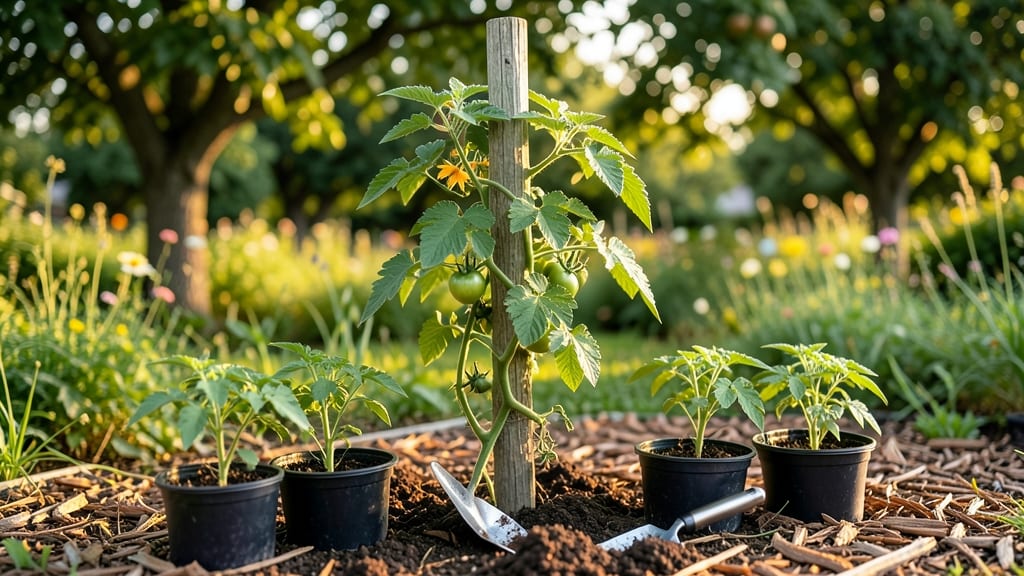
Timing when do you plant tomatoes in Washington State just right can mean the difference between a bountiful harvest and a sad, frost-nipped failure. The right window depends on where you live—whether you're in the rainy Puget Sound or the drier inland regions—because those microclimates create wildly different growing seasons.
If you've ever stared at your 🍅 seedlings wondering, "Did I plant too soon?" you're not alone. The key is understanding your local last frost date and soil temperature thresholds, which vary dramatically across the state.
I'll show you exactly when to start seeds indoors, when to transplant, and how to adjust for your specific zone to give your tomatoes the best possible start.
Washington's diverse climate means you might be planting in early March in some areas and waiting until late May in others. Whether you're growing heirlooms that need extra warmth or fast-maturing hybrids for cooler zones, knowing these deadlines is the game-changer for maximizing your harvest.
Let's break down the perfect planting schedule for your region so you can enjoy juicy, homegrown tomatoes all summer and fall—without the guesswork.
Washington State tomato planting deadlines by USDA hardiness Zone (2024 guide)
Washington State spans USDA Zones 6 through 9, creating wildly different planting windows for tomatoes. In Zone 6 (eastern WA), like Spokane, you’ll plant 6-8 weeks before last frost (mid-April to early May), while Zone 9 (Yakima Valley) gardeners can direct-sow as early as March 15th.
Microclimates matter too—urban Seattle may be 2 weeks later than rural areas due to heat islands.
Your last frost date is the golden rule: Tomatoes need soil temps above 55°F and air temps consistently above 60°F. Use local weather data (not USDA averages) to pinpoint your exact date—tools like Almanac’s Frost Calculator help.
For example, Seattle’s last frost averages May 15th, but inland Wenatchee can be April 1st.
Here’s how to adjust for Washington’s short growing season: Start indoor seedlings 6-8 weeks before transplanting for early varieties. In Zone 7 (Olympia), that means March 1st starts; in Zone 8 (Port Angeles), you can wait until March 15th.
Direct-sowing works best in Zones 8-9 after May 1st when soil warms.
🌱 Pro Tip: Test soil temperature with a thermometer—it should read 60°F+ at 4” depth before planting. Cold soil stunts growth, even if air temps seem warm.
| USDA Zone | Last Frost Date | Indoor Start (Seeds) | Transplant Outdoors | Direct Sow Window |
|---|---|---|---|---|
| Zone 6 (Spokane, Pullman) | April 15–May 1 | March 1–15 | May 15–31 | June 1–15 (after soil >60°F) |
| Zone 7 (Olympia, Bellingham) | May 1–15 | March 15–April 1 | April 30–May 15 | May 15–June 1 |
| Zone 8 (Seattle, Tacoma) | May 15–31 | April 1–15 | May 1–15 | May 1–June 1 |
| Zone 9 (Yakima, Wenatchee) | March 15–April 15 | February 15–March 1 | March 15–April 15 | March 15–April 30 |
🌱 Key: Adjust dates 1–2 weeks earlier for microclimates with warmer soils (e.g., south-facing slopes).
In Zone 6, focus on early-maturing hybrids like ‘Mountain Merit’ (65 days) to avoid fall frost. Zone 9 gardeners can experiment with heirlooms like ‘Brandywine’ if planted by March 15th, but expect shorter vines due to cooler nights. Container growers in all zones should plant 2 weeks later—pots heat up slower.
Watch for false springs: A warm spell in March doesn’t mean frost is over. Use frost cloth or row covers for 2–3 weeks after transplanting in Zones 6–7. In Zone 8–9, prioritize disease-resistant varieties like ‘Defiant PhR’ to combat Washington’s humid summers.
For succession planting, sow new seeds every 2 weeks from June to July in Zones 7–9. This stretches harvests into October before early frosts hit.
In Zone 6, limit to one late planting by July 1st—these tomatoes won’t ripen fully but can be harvested green and ripened indoors.
🌡️ Soil Temperature Matters More Than Air Temp: Use a soil thermometer to confirm 60°F+ at planting. In Zone 7, this often means waiting until late May even if air is warm. Cold soil = stunted roots = poor yields.
If you’re in Zone 8–9 and want to plant earlier than recommended, use black plastic mulch or cold frames to warm soil by 5–10°F. This lets you transplant
How to extend your tomato growing season in Washington’s unpredictable climate
Washington’s cool, wet springs and early autumn frosts can shrink your tomato season if you don’t plan ahead. The key to success? Extending your growing window with smart tools and variety choices.
I’ve grown tomatoes in Zone 7 Seattle and Zone 6 Wenatchee, and these tricks have added 4-6 weeks to my harvest each year.
Start by calculating your true last frost date—not just the USDA average. Check local weather records for the past 5 years and add 2 weeks of buffer.
For example, Seattle’s average last frost is May 15, but I’ve seen it linger until June 1. Planting too soon risks seedling loss from unexpected cold snaps.
Here’s my step-by-step guide to pushing your tomato season limits, using tools and techniques that work in Washington’s climate:
-
1. Use row covers or cold frames
Protect seedlings with floating row covers until soil warms to 55°F+. In cooler zones like Spokane (Zone 6), a mini greenhouse can start seedlings 4 weeks earlier. -
2. Warm your soil faster
Lay down black plastic mulch 2 weeks before planting to raise soil temps by 10-15°F. In Zone 8 Yakima, this lets me plant heirloom varieties like ‘Brandywine’ 2 weeks earlier. -
3. Choose fast-maturing varieties
Prioritize determinate types (bush varieties) that mature in 60-70 days. ‘Stupice’ (a cool-climate favorite) thrives in Zone 5 and yields early harvests before heat stress hits. -
4. Succession plant in stages
Sow new seeds every 2 weeks from May to July. In Zone 7, this stretches harvests from July to October. Use small containers for late plantings to save space. -
5. Protect late-season plants
Cover plants with frost blankets when night temps drop below 40°F. I’ve saved near-ripe tomatoes in September using this method in Zone 6.
For container growers, black pots absorb heat better than terracotta and can extend the season by 1-2 weeks. Place containers on south-facing patios or use self-watering systems to avoid stress from inconsistent watering.
In Zone 8, I’ve even grown cherry tomatoes in containers through October with row covers.
Pro tip: Monitor soil temperature, not air temperature. Tomatoes need soil at 60°F+ to germinate. Use a soil thermometer—if it’s cooler than 55°F, wait or use a heat mat for seed trays.
In cool microclimates like the San Juan Islands, this can mean delaying planting until late May instead of April.
Finally, don’t overlook disease prevention when extending seasons. Washington’s humid summers increase blight risk. Space plants 18-24 inches apart, prune lower leaves for airflow, and rotate crops yearly to avoid verticillium wilt.
With these strategies, you can turn Washington’s short season into a long, productive harvest—even in Zone 5!