
Plants
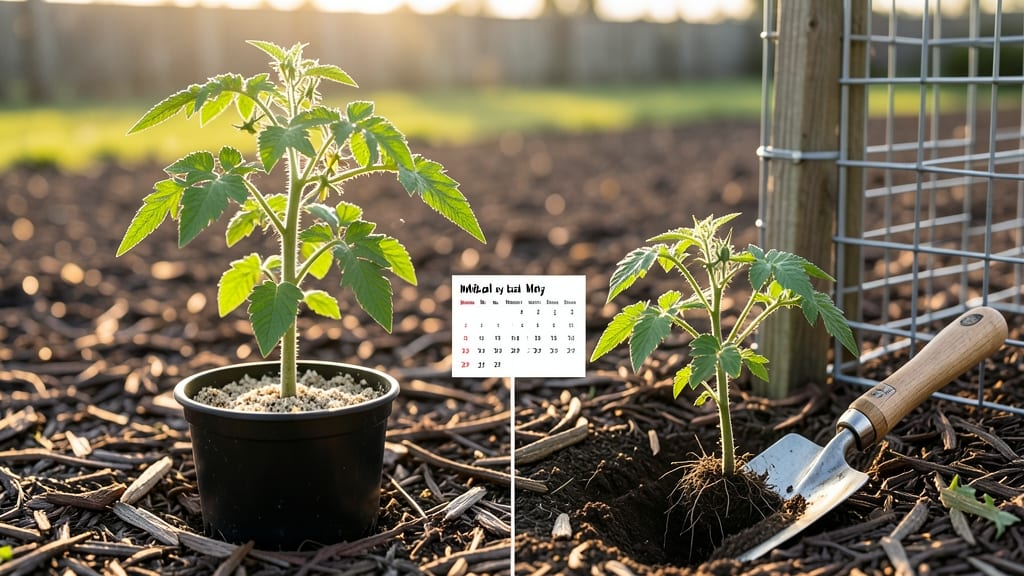
Planting tomatoes in Iowa isn’t just about the calendar—it’s about beating frost, warming soil, and knowing your county’s hidden microclimates. 🍅 One wrong move, and your entire crop could vanish overnight, leaving you scrambling to replant.
The average last frost date of April 15 is just the starting point, but soil temperature and local weather patterns can shift your timeline by weeks.
I’ve spent years growing tomatoes in USDA Zones 5a-5b, and the biggest mistake gardeners make is rushing seedlings into cold ground. Even if the air feels warm, soil needs to hit at least 60°F—otherwise, roots stall, and plants wilt.
That’s why I’ve broken down the exact windows for Des Moines, Sioux City, and rural areas, so you can plant with confidence and avoid the heartbreak of a late frost.
What you’ll discover here are the critical factors most guides skip: how to adjust for early starts, which varieties thrive in Iowa’s short season, and when to use row covers to push your harvest into October.
Whether you’re a first-time gardener or a veteran with a few failed batches behind you, these insights will help you time your planting like a pro.
Ready to grow tomatoes that actually make it to the table? Let’s dive into the county-specific deadlines and strategies that’ll turn your Iowa garden into a productivity powerhouse—no more guesswork, just zero-frost success.
Iowa county-by-county tomato planting deadlines: last frost dates & safe start windows
Iowa’s last frost dates vary dramatically across its USDA Zones 4a-5b, meaning your tomato planting window could differ by weeks between Des Moines and Sioux City. Most gardeners aim for after May 1, but rural areas with microclimates (like south-facing slopes) may safely plant 2 weeks earlier.
Let’s break it down by region.
Southern Iowa (Zones 5a-5b), including Des Moines and Cedar Rapids, typically sees its last frost around April 15. This means you can start outdoor transplants by April 25 and direct-sow seeds by May 10.
For early varieties like ‘Early Girl’, plant transplants by April 15 under row covers to extend the season.
Northern Iowa (Zones 4a-4b), such as Sioux City and Waterloo, faces later frosts—May 10 on average. Here, wait until May 20 for transplants and May 25 for direct sowing. Heat-loving varieties like ‘Heatmaster’ thrive here but need warmer soil (60°F+) to prevent blight.
| Region | Last Frost | Transplant Window | Direct Sow Window | Best Varieties |
|---|---|---|---|---|
| Southern Iowa (Des Moines, Cedar Rapids) | April 15 | April 25–May 10 | May 10–15 | Early Girl, Bush Early Girl, Celebrity |
| Central Iowa (Ames, Iowa City) | April 25 | May 5–15 | May 15–20 | Better Boy, Brandywine, Roma |
| Northern Iowa (Sioux City, Waterloo) | May 10 | May 20–30 | May 25–June 5 | Heatmaster, Solar Fire, Mountain Merit |
For urban gardeners in cities like Davenport or Coralville, microclimates near buildings or water can push planting dates 3–5 days earlier. Use a soil thermometer to confirm 60°F+ soil—cold soil delays germination and invites damping off.
If your area hasn’t warmed by the table’s deadlines, opt for container gardening near heat-absorbing black plastic mulch.
Iowa State University Extension recommends starting seeds indoors 6–8 weeks before transplanting. For southern Iowa, that means March 1–15, while northern counties should begin March 15–April 1.
Use grow lights if natural light is limited—tomato seedlings need 12–14 hours of light to avoid leggy growth.
Pro tip: Track your local frost dates via the Midwestern Regional Climate Center or Iowa Environmental Mesonet. These tools account for year-to-year variability—some years, June frosts can still occur, so have row covers ready for late-season protection.
If you’re in Zone 4a (e.g., Spencer or Storm Lake), prioritize fast-maturing varieties (60–70 days) like ‘Stupice’ or ‘Glacier’. These handle shorter seasons better than heirlooms, which need 80+ days. Pair them with black plastic mulch to warm soil 5–10°F faster.
Remember: Tomatoes hate cold feet. Even if air temps are 70°F, soil below 55°F will stunt roots. Test soil with a thermometer at 4-inch depth—this is the critical zone for root development. If it’s below 60°F, delay planting or use heat mats for containers.
🌱
5 Critical factors that determine your exact Iowa tomato planting time (beyond frost dates)
While last frost dates set the baseline for Iowa tomato planting, five other factors fine-tune your exact timeline. First, soil temperature must reach 60°F+—cold soil delays root growth and invites disease. Use a soil thermometer to confirm readiness, especially in northern Iowa where ground warms slower.
Second, seed vs. transplant choices shift your schedule dramatically. Starting seeds indoors 6-8 weeks before last frost (by March 1) gives you a head start, while transplants can go in 2-3 weeks after your area’s safe date.
For Iowa’s USDA Zone 5a, that’s typically mid-April to early May.
Variety heat tolerance is your third consideration. Early-season varieties like ‘Stupice’ thrive in cooler Iowa springs, while heat-lovers such as ‘Heatmaster’ need consistent 75°F+ temps—wait until late May for these. Check seed packets for days-to-maturity and align with your frost-free window.
Fourth, blight risk in Iowa’s humid summers means avoiding overcrowded plantings or wet foliage. Space plants 18-24 inches apart and use drip irrigation to keep leaves dry. If your area has a history of early July blight, opt for resistant varieties like ‘Mountain Merit’ and plant slightly later.
Finally, microclimates can shift your timeline by 1-2 weeks. South-facing slopes warm faster than low-lying areas, while urban heat islands in cities like Des Moines may allow earlier plantings. Observe your yard’s sun exposure patterns for 2-3 years to spot these nuances.
🌱 Iowa Tomato Planting Checklist
- ☑️ Test soil temp (must be 60°F+) 2-3 inches deep
- ☑️ Choose varieties matched to your frost-free days (60-90 days)
- ☑️ Harden off transplants for 7-10 days before outdoor move
- ☑️ Space plants 18-24" apart to prevent blight
- ☑️ Use mulch to warm soil faster in cool microclimates
- ☑️ Plant resistant varieties if your area has blight history
Pro tip: Bookmark the Iowa State University Extension’s Planting Calendar for real-time updates on local frost dates and pest alerts. Their 14-day forecasts help adjust timing if an unexpected late frost looms. Start your seeds or transplants only when all five factors align for your specific Iowa location.