
Plants
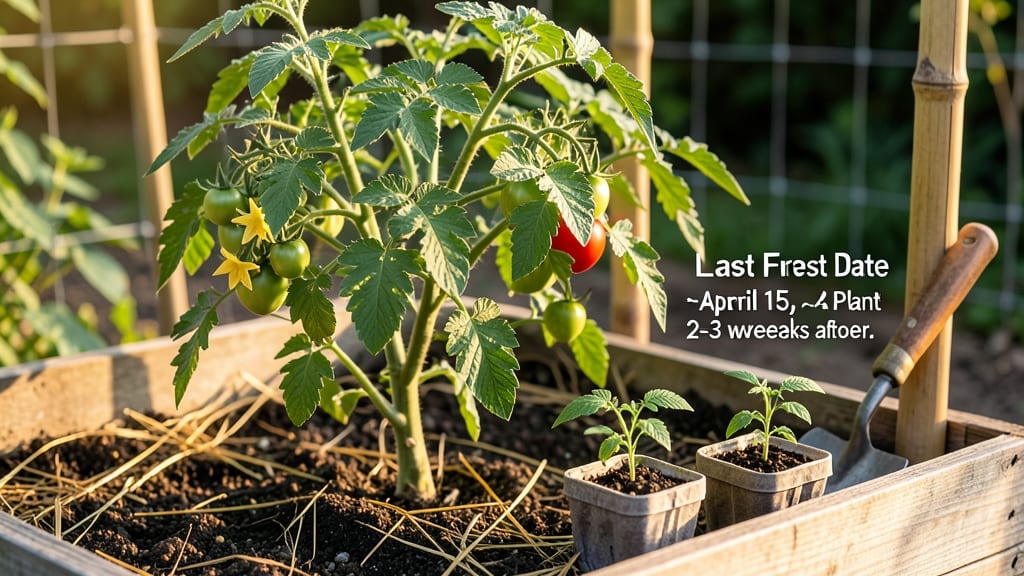
Planting tomatoes in Virginia isn’t just about grabbing seeds and sticking them in the dirt—it’s about timing your move with the last frost, soil warmth, and your local zone to avoid wasted effort or lost harvests.
Whether you’re a first-time gardener or a seasoned grower, getting this window right means the difference between a bountiful 🍅 harvest and a sad, stunted plant.
The key is knowing your region’s last frost date—Richmond gardeners typically wait until mid-April, while Roanoke holds off until April 20th. But here’s the catch: soil temperature matters just as much as air temperature.
Tomatoes need 60°F soil to thrive, and black plastic mulch can speed that up if you’re eager to plant early.
In this guide, I’ll break down the exact planting windows for Virginia’s zones 6a-8a, whether to start seeds indoors or go straight to the garden, and which varieties hold up best in your neck of the woods. No more guessing—just clear, actionable deadlines to maximize your tomato game.
Ready to turn your backyard into a produce aisle? Let’s get those seeds in the ground at the perfect moment—because timing, as they say, is everything.
Virginia planting zones: when to start tomatoes indoors vs. outdoors
Virginia’s diverse climate—from the cooler highlands to the warmer coastal plains—means tomato planting deadlines vary by USDA zone. Most of the state falls in zones 6b-7b, but northern areas like Shenandoah Valley (zone 6a) and southern regions like Norfolk (zone 8a) have different frost risks.
Understanding these zones helps you avoid frost damage while maximizing your harvest window.
For indoor starts, begin seeds 6-8 weeks before your last frost date. In zone 6a (e.g., Roanoke), that’s around March 1, while zone 8a (e.g., Virginia Beach) can start as late as February 15.
Outdoor planting, however, hinges on soil temperature—wait until it consistently hits 60°F (usually April 15–May 1 across most of Virginia).
🌱 Virginia Tomato Planting Timeline by Zone
| Zone | Last Frost Date | Indoor Start (Seeds) | Outdoor Planting | Harvest Window |
|---|---|---|---|---|
| 6a (e.g., Roanoke) | April 20 | March 1–15 | May 1–15 | July–September |
| 6b (e.g., Charlottesville) | April 10 | February 28–March 15 | April 20–May 1 | June–October |
| 7a (e.g., Richmond) | April 1 | February 15–March 1 | April 1–15 | May–November |
| 7b (e.g., Norfolk) | March 15 | January 15–February 1 | March 15–April 1 | April–December |
| 8a (e.g., Virginia Beach) | February 15 | January 1–15 | February 28–March 15 | March–December |
If you’re direct-sowing seeds outdoors (instead of transplanting seedlings), aim for 2–3 weeks after your last frost date. This gives seedlings time to establish roots before hot summer temperatures arrive.
For example, in zone 7a (Richmond), direct sow seeds around April 15, while zone 6a (Roanoke) gardeners should wait until May 1.
For early varieties like 'Early Girl' (60-day maturity), start seeds indoors in February and transplant by April 15 in warmer zones. Mid-season varieties (70–80 days) like 'Celebrity' can wait until March 15–April 1 for indoor starts, while late-season types (80+ days) like 'Brandywine' need early starts (January–February) to ripen before frost.
Soil temperature is just as critical as air temperature. Use a soil thermometer to confirm 60°F+ before planting. In cooler zones, black plastic mulch can raise soil temps by 5–10°F, allowing earlier planting. Pair this with frost cloth for 2–3 weeks post-transplant to protect young plants from late frosts.
Pro tip: Succession plant every 2 weeks after your initial outdoor planting for a continuous harvest. For example, in zone 7a, plant a second batch on May 1 and a third on May 15 to extend your season until first frost.
This works especially well for determinate varieties (bush types) that produce fruit all at once.
One common mistake Virginia gardeners make is planting too late for long-season varieties. If you wait until May 15 to transplant 'Brandywine' tomatoes in zone 6b, they may not ripen before October’s first frost.
Always check a variety’s days to maturity and subtract your frost-free days to avoid disappointment.
For container gardening, start seeds indoors 4–6 weeks earlier than your zone’s outdoor deadline. Containers warm up faster but also dry out quicker, so water consistently and use self-watering pots if possible.
Dwarf varieties like 'Tiny Tim' thrive in containers and can be planted as late as May 1 in most of Virginia.
Remember: Heat tolerance matters. Tomatoes struggle when temps exceed 90°F for prolonged periods. In zone 8a, where summer heat arrives early, opt for heat-tolerant varieties like 'Solar Fire' or 'Heatmaster'. These can handle 95°F+ better than traditional types and still produce fruit.
Virginia planting zones: when to start tomatoes indoors vs. outdoors
Virginia’s USDA zones 6a-8a create a diverse planting landscape—whether you’re in the cooler mountain regions or the warmer Tidewater coast. The key to success is aligning your planting schedule with your zone’s last frost date and soil temperature thresholds.
For most of Virginia, this means starting seeds indoors 6-8 weeks before transplanting, typically in March, while direct-sowing outdoors happens after April 15.
In northern Virginia (zone 6a-7a), like the Shenandoah Valley, you’ll want to start seeds indoors by March 1 to transplant after the last frost around April 20.
Meanwhile, in southern Virginia (zone 7b-8a), such as Norfolk or Richmond, you can start seeds as late as March 15 and transplant by April 1. Always verify your local last frost date—it can vary by 1-2 weeks even within the same county.
| Zone | Last Frost | Start Indoors | Transplant Outdoors | Direct Sow |
|---|---|---|---|---|
| 6a (e.g., Roanoke) | April 20 | March 1 | April 20-May 1 | May 15 |
| 7a (e.g., Charlottesville) | April 10 | March 10 | April 15-May 1 | May 1 |
| 7b (e.g., Richmond) | April 1 | March 15 | April 1-April 15 | April 20 |
| 8a (e.g., Norfolk) | March 15 | March 1 | March 20-April 1 | April 1 |
Soil temperature is just as critical as air temperature. Tomatoes won’t thrive until the soil reaches 60°F, which typically happens in Virginia by late April. Use a soil thermometer to check—if it’s cooler, delay planting or use black plastic mulch to warm the soil faster.
Pro tip: Planting too early in cold soil can stunt growth and invite disease.
For direct sowing, wait until all frost risk has passed and soil is warm. In Virginia, this usually falls between April 20 and May 15, depending on your zone.
If you’re eager to get an early start, consider container growing—pots warm up faster and give you more control over soil temperature. Just ensure your containers are at least 12 inches deep to accommodate root growth.
Choosing the right tomato varieties for your Virginia zone can also extend your harvest window. Early varieties like ‘Early Girl’ (60 days to maturity) are perfect for cooler zones, while heat-tolerant varieties such as ‘Solar Fire’ or ‘Heatmaster’ thrive in southern Virginia’s hotter summers.
Always check seed packets for days to maturity—you’ll want to pick varieties that align with your frost-free season length.
Don’t forget to harden off seedlings before transplanting. Acclimate them to outdoor conditions over 7-10 days by gradually increasing their exposure to sun and wind. This step is crucial for preventing transplant shock, especially in Virginia’s unpredictable spring weather.
With the right timing and preparation, you’ll be enjoying homegrown tomatoes by summer’s peak!