
Flowers
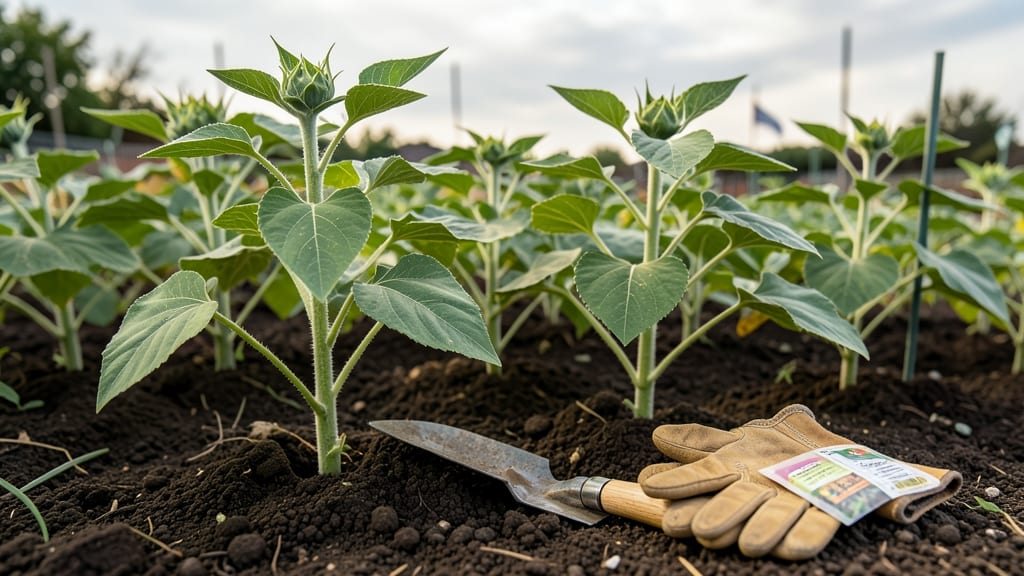
If you’ve ever watched a 🌻 sunflower stand tall and proud in Oklahoma’s golden fields, you know their beauty is worth the wait—but only if you plant them at the right time. Miss the frost-free window, and you’ll spend months chasing growth instead of harvesting those iconic blooms.
Oklahoma’s diverse heat zones—from 6a in the north to 8a in the south—mean your planting timeline can shift by weeks. Whether you’re in rural 6a or urban 7b, the key is knowing when the soil warms and the last frost has passed, typically between mid-April and mid-June.
In this guide, I’ll break down the exact frost-free planting windows for your zone, plus critical adjustments for Oklahoma’s microclimates—because even a few degrees can make or break your sunflowers.
You’ll also discover why soil temperature matters more than calendar dates and how to avoid the top 5 mistakes that turn Oklahoma gardens into sunflower graveyards.
Ready to grow sunflowers that reach their full potential? Let’s get your seeds in the ground at the perfect moment—so you can enjoy those towering 🌻 blooms from late July through October.
Oklahoma sunflower planting timeline by heat Zone (USDA zones 6b-8a)
Oklahoma’s diverse climate—from the cooler panhandles (Zone 6b) to the balmy southern regions (Zone 8a)—means your sunflower planting window varies by 100 days. Miss the last frost date, and tender seedlings become frost casualties.
But plant too late, and you’ll sacrifice flowering time before Oklahoma’s first frost in November. Let’s break it down by zone so you can time your sunflower seeds for maximum height and bloom.
Sunflowers are annuals in Oklahoma, meaning they complete their life cycle in one season—perfect for Oklahoma gardeners who love seasonal color and edible seeds. Whether you’re growing Mammoth varieties for cut flowers or dwarf sunflowers for containers, timing is critical.
The key is planting after the soil temperature reaches 50°F (10°C), which typically aligns with your zone’s last frost date.
⚠️ NON-NEGOTIABLE: Oklahoma’s alkaline soils (pH 7.5-8.5) can stunt sunflower growth if not amended. Test your soil and add compost or sulfur to lower pH to 6.0-7.0 before planting. This step alone can double your sunflower yield.
🌱 Oklahoma Sunflower Planting Guide by Heat Zone
| Zone | Last Frost Date | Ideal Planting Window | Soil Temp for Germination | Harvest Window |
|---|---|---|---|---|
| 6b (Panhandle) | Mid-April | Late April–May 15 | 50°F (10°C) | Late August–October |
| 7a (Central OK) | Early April | Mid-April–May 30 | 50°F (10°C) | Late July–October |
| 7b (Oklahoma City) | Late March | Early April–June 15 | 50°F (10°C) | Early August–November |
| 8a (South OK) | Mid-February | March–June 1 | 55°F (13°C) | June–December |
💡 Pro Tip: For extended harvests, stagger plantings every 2 weeks within your zone’s window.
In Zone 6b (like Altus or Clarence), wait until after April 15 to avoid late frosts. Direct sow seeds 1 inch deep and 6 inches apart—they germinate fastest in warm soil. For transplants, start seeds indoors 4-6 weeks before your last frost date.
Gardeners in Zone 7a (e.g., Oklahoma City) have the longest window: April 15–June 1. This flexibility lets you grow two sunflower crops—one early for cut flowers and one late for seed production. Use black plastic mulch to warm soil faster and speed up germination.
Southern Oklahoma’s Zone 8a (e.g., Tulsa or Lawton) offers the earliest start. Plant February–March for summer blooms, but watch for aphids in warm weather. Choose drought-tolerant varieties like ‘ProCut’ or ‘Autumn Beauty’ to handle Oklahoma’s summer heatwaves.
Sunflowers in Oklahoma thrive with 6–8 hours of sun, but they’re surprisingly drought-tolerant once established. Water deeply 2–3 times per week during flowering to ensure seed development. In Zone 6b, mulch with straw to insulate roots from cool nights, while Zone 8a garden
How to adjust sunflower planting for Oklahoma’s microclimates (urban vs. rural)
Oklahoma’s diverse landscapes mean your sunflower’s success hinges on whether you’re gardening in a city heat island or a rural open field. Urban areas like Oklahoma City can be 10°F hotter than nearby rural zones, while windy plains near Lawton or Tulsa demand different strategies.
Let’s break down the key adjustments for each microclimate to maximize your sunflower’s potential.
In urban environments, concrete and asphalt absorb and radiate heat, creating microclimates 5-15°F warmer than surrounding areas. This can trick sunflowers into germinating too early if planted on schedule.
Conversely, rural areas often experience cooler nights and stronger winds, which can stunt growth if not accounted for. Understanding these differences ensures your sunflowers thrive regardless of location.
For urban gardeners, focus on soil prep to counteract heat stress. Amend heavy city soil with compost or peat moss to improve moisture retention, and use mulch to regulate soil temperature.
Plant in large containers if space is limited—this gives you control over soil quality and drainage, which urban soils often lack.
Rural gardeners should prioritize wind protection and soil testing. Oklahoma’s alkaline soils (pH 7.5-8.5) can hinder nutrient uptake, so test your soil and amend with sulfur or elemental sulfur if needed.
Plant sunflowers near windbreaks like fences or hedgerows to prevent lodging, especially for tall varieties like ‘Mammoth’ or ‘Russian Giant’.
🌱 Urban Gardening Tips
- Use self-watering containers to combat heat stress
- Plant dwarf varieties (2-4 ft) for easier care
- Water deeply in mornings to prevent fungal growth
- Choose heat-tolerant varieties like ‘Autumn Beauty’
If you’re in a rural or windy area, opt for sturdy varieties like ‘ProCut’ or ‘Teddy Bear’ that handle exposure better. Stake tall varieties early to prevent lodging, and consider row covers for young seedlings to protect against late frosts.
Rural soils often drain faster, so mulch heavily with straw or wood chips to retain moisture during Oklahoma’s summer heatwaves (which can exceed 100°F).
Regardless of your location, monitor soil moisture closely. Urban soils dry out faster due to heat, while rural soils may need less frequent watering. Aim for 1-2 inches of water per week, adjusting for rainfall.
Use a moisture meter to avoid over- or under-watering—both can stress sunflowers and reduce bloom size.
Pro tip: Start seeds indoors 2-3 weeks before your zone’s last frost if you’re in a high-altitude rural area (like the Ozark Mountains). This gives seedlings a head start before transplanting into cooler garden beds.
For urban gardeners, extend your season by planting a second crop in late June for fall blooms.