
Plants
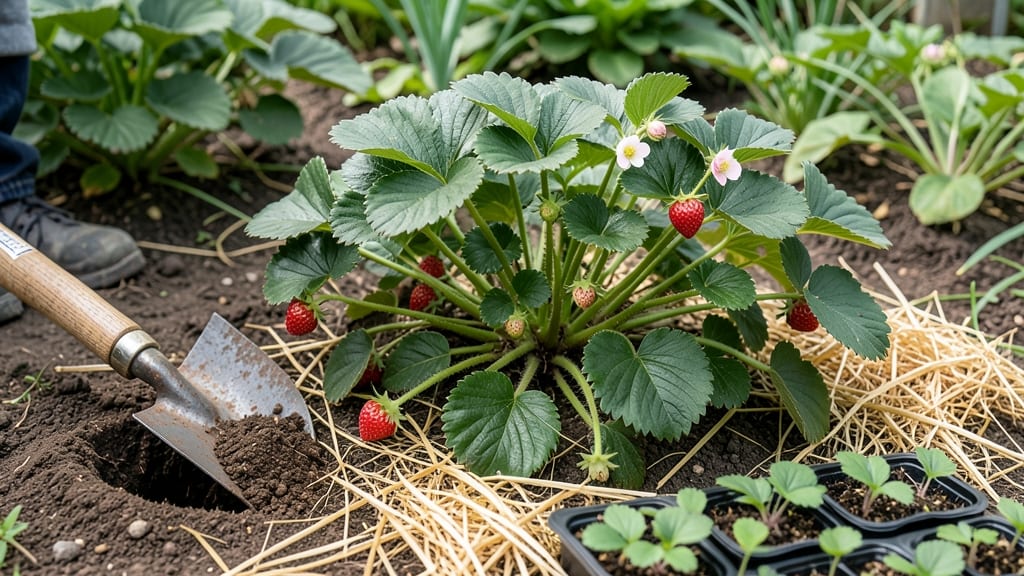
Planting strawberries in Arkansas at the wrong time means waiting months—or worse, no harvest at all. The key to juicy, homegrown 🍓 lies in understanding your variety’s chill-hour needs and Arkansas’ unique climate, where USDA zones 7a-8b demand precise timing for success.
Most Arkansas gardeners swear by early spring (February–March) or late summer (July–August) planting, but not all strawberries thrive on the same schedule. June-bearing types need 900+ chill hours, while everbearing varieties adapt better to 300–500 hours, common in Southern Arkansas.
Get this wrong, and you’ll miss peak harvests from April to May—or September to October.
I’ve tested bare-root and potted plants across both windows, and the difference in yield is night and day. Whether you’re in the cooler 7a regions or warmer 8b areas, I’ll show you exactly when to plant for maximum berries—and how to protect them from Arkansas’ unpredictable frosts.
Ready to skip the grocery store and grow strawberries that taste like summer? Let’s break down the best months, soil prep, and mulching tricks to turn your Arkansas garden into a berry bonanza.
Best planting times for Arkansas strawberries based on chill-hours
Arkansas’ climate—spanning USDA zones 7a to 8b—creates a unique challenge for strawberry growers. The key to success lies in understanding chill-hours, which determine when your plants will break dormancy and produce fruit. Most Arkansas varieties need between 300–900 chill-hours (temperatures between 32–45°F) to trigger flowering.
In northern Arkansas (zone 7a), where winters are colder, you’ll focus on fall planting (October–November) to ensure plants receive enough chill-hours before spring growth.
Southern Arkansas (zone 8b) gardeners can plant as late as December–January or opt for spring planting (February–March) for varieties with lower chill-hour needs.
For June-bearing varieties, which produce one massive harvest, timing is critical. Plant in late summer (July–August) for a spring harvest, or in early fall (September) to enjoy fruit the following June. Everbearing and day-neutral varieties are more flexible—they’ll fruit all season if planted correctly in spring or fall.
Here’s the golden rule: Plant 4–6 weeks before your last frost date (typically March 1–15 in Arkansas). This gives roots time to establish before warm weather arrives. In southern Arkansas (zone 8b), where frosts are rare, you can even plant in late winter (January–February) for an early harvest.
🌱 Arkansas Strawberry Planting Timeline by Variety Type
| Variety Type | Chill-Hours Needed | Best Planting Window | Harvest Window |
|---|---|---|---|
| June-Bearing | 600–900 | Late Summer (July–Aug) or Early Fall (Sept) | June |
| Everbearing | 300–600 | Spring (Feb–March) or Fall (Oct–Nov) | May–October |
| Day-Neutral | 0–300 | Spring (Feb–March) or Fall (Sept–Oct) | June–October |
💡 Pro Tip: Use row covers in early spring to protect plants from late frosts (28°F or below) and extend your harvest season.
If you’re planting bare-root strawberries, soak the roots in lukewarm water for 1–2 hours before planting to reduce transplant shock. For potted plants, gently remove them from containers and loosen the roots if they’re circling.
Arkansas’ clay-heavy soils drain poorly, so amend with compost or sand to improve drainage.
After planting, mulch with straw or pine needles to retain moisture and suppress weeds. Avoid plastic mulch—it can overheat the soil in Arkansas’ summer heat. Water deeply 1–2 times per week (more in zone 8b during dry spells) and keep the soil consistently moist but not soggy.
One common mistake Arkansas gardeners make is planting too late in spring (April–May). By then, the soil is often too warm, and plants bolt (send up flowers) without establishing strong roots. Instead, aim for cool-season planting when soil temps are between 40–60°F—ideal for root growth.
For container gardening, use pots at least 12 inches deep with drainage holes. Place containers in full sun (6+ hours daily) and water when the top 1 inch of soil feels dry. Containers heat up faster than garden beds, so monitor moisture closely during Arkansas’ summer humidity.
Remember: Arkansas’ humidity and heat can stress strawberry plants, especially in July–August. To combat this, provide afternoon shade with shade cloth (30–50%) during peak heat. This trick extends the harvest season by 2–3 weeks in southern Arkansas.
Top Arkansas-adapted strawberry varieties and their ideal planting months
Choosing the right strawberry variety for Arkansas means matching your USDA Zone 7a-8b climate with plants that thrive in 300-900 chill-hours. Whether you prefer June-bearing giants or everbearing continuous harvests, timing is key to sweet success. Let’s break down the best varieties and their perfect planting windows.
For June-bearing varieties like 'Chandler', aim for October-November planting to ensure they get enough chill-hours before spring growth. This variety loves Arkansas’ cooler months and delivers huge berries in late spring.
Meanwhile, everbearing types like 'Fort Laramie' adapt well to February-March planting, giving you two harvests—one in early summer and another in fall.
Day-neutral varieties like 'Albion' are Arkansas gardeners’ secret weapon. They produce fruit all season long and can handle late summer planting (July-August) for a fall harvest. Their low chill-hour needs make them ideal for Arkansas’ warmer zones, like Zone 8b.
🍓 Arkansas Strawberry Variety Comparison
| Variety | Type | Chill-Hours | Best Planting Month | Harvest Window |
|---|---|---|---|---|
| Chandler | June-bearing | 600-900 | October-November | May-June |
| Fort Laramie | Everbearing | 400-600 | February-March | April, July-Sept |
| Albion | Day-neutral | 300-500 | July-August | June-October |
💡 Pro Tip: For bare-root plants, soak roots in water for 1 hour before planting to reduce transplant shock.
If you’re in North Arkansas (Zone 7a), focus on October planting for June-bearing varieties to maximize chill-hours. In South Arkansas (Zone 8b), day-neutral or everbearing types planted in February or July will thrive year-round.
Always check your local last frost date—typically March 15 in Zone 7a and March 1 in Zone 8b—to avoid frost damage.
For container gardening, choose compact varieties like 'Seascape' (day-neutral) and plant in February or July. Containers warm up faster in spring, giving you an earlier start. Just ensure pots have drainage holes to prevent root rot, a common issue in Arkansas’ humid climate.
Don’t overlook soil prep—Arkansas’ clay-heavy soil needs amendments like compost or peat moss to improve drainage. Test your soil’s pH (5.5-6.5) and adjust with lime or sulfur if needed. A well-prepared bed sets the stage for a bountiful harvest.