
Plants
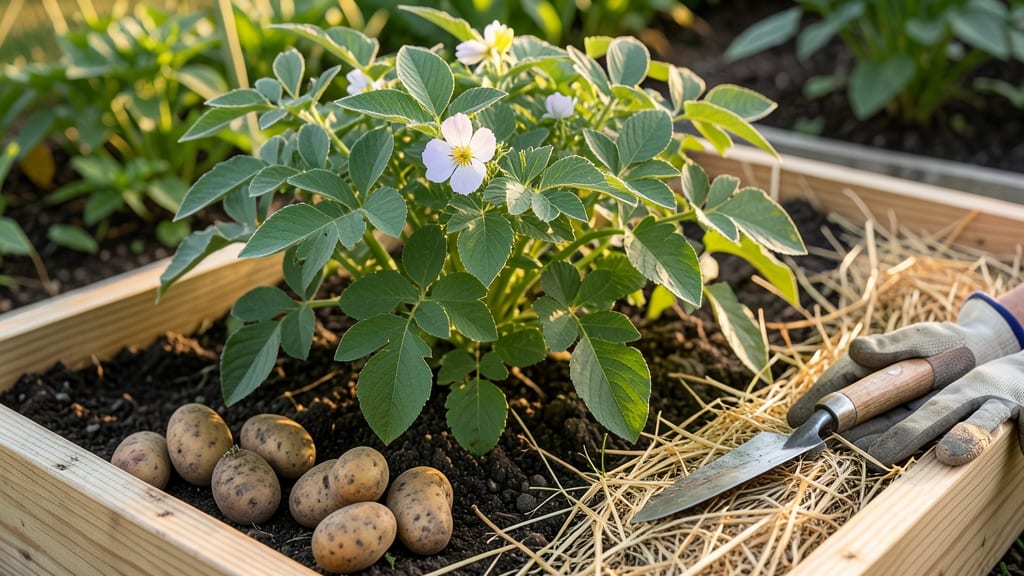
Planting potatoes in Florida isn’t just about timing—it’s about outsmarting the heat and avoiding the rare but possible frost that can sneak in during winter. If you’ve ever struggled with 🥔 crops that bolt too fast or rot before harvest, you’re not alone.
The key lies in those narrow windows between late winter and early spring when soil temperatures cooperate, giving your tubers the perfect head start before summer’s oppressive humidity takes over.
Florida’s climate is unique—most of us live in USDA zones 9a-10a, where frost is rare but still a factor in the northern panhandle.
That means your planting schedule should shift based on whether you’re in South Florida (where it’s almost frost-free year-round) or North Florida (where a light freeze in January might still catch you off guard).
I’ll break down exactly when to plant for zero-frost harvests, so you can enjoy homegrown spuds without the guesswork.
What you’ll discover here is how to align your potato planting with Florida’s microclimates, from soil prep tricks to spacing hacks that prevent disease in our humid summers.
Whether you’re aiming for a spring harvest in March-May or a fall crop in October-December, these strategies will help you beat the heat and maximize your yield—no matter where you garden in the Sunshine State.
Ready to ditch the store-bought spuds and grow your own? Let’s dive into the exact planting windows that work for Florida’s warm climate, plus the varieties that thrive when you time it right. Your first perfect harvest is just a few weeks away!
Florida’s ideal potato planting windows: late winter vs early spring breakdown
Planting potatoes in Florida isn’t as straightforward as it is in cooler climates—you’re racing against both unpredictable spring warmth and summer’s oppressive heat.
Unlike northern states, Florida’s frost-free growing season spans nearly year-round, but the key is timing your plantings to avoid heat stress while maximizing tuber development before summer arrives.
Most Florida gardeners focus on two primary windows: late winter (February-March) for early harvests and early spring (April) for extended-season yields. The difference comes down to soil temperatures, daylight hours, and variety selection—all critical for avoiding blight and poor tuber formation.
Here’s how to align your planting with Florida’s microclimates for zero-frost risk and optimal harvests:
| Planting Window | Best For | Soil Temp | Days to Harvest | Harvest Window | Risk Factors |
|---|---|---|---|---|---|
| Late Winter (Feb-March) | Early harvests, North/Central FL | 55-65°F | 70-90 days | March-May | Late frost (rare), blight |
| Early Spring (April) | Extended harvests, South FL | 60-70°F | 90-120 days | May-July | Heat stress, drought |
| Fall (Sept-Oct) | Holiday harvests, all regions | 60-65°F | 80-100 days | Nov-Dec | Hurricane season |
North Florida (USDA Zones 8a-9a) has slightly cooler winters, so February-March plantings work best—aim for 60-70 days to maturity to harvest before summer heat peaks.
In Central and South Florida (Zones 9b-11), you can push plantings into early April for extended harvests, but choose heat-tolerant varieties like Red LaSoda.
For fall plantings (September-October), focus on varieties with 80-100 days to maturity to harvest before hurricane season disrupts growth. This window is ideal for holiday harvests and avoids summer’s oppressive humidity, which fuels potato blight.
Pro tip: Use black plastic mulch in spring plantings to warm soil faster and suppress weeds, giving tubers a head start before summer arrives. In fall, straw mulch helps regulate soil temps and retain moisture.
Remember, Florida’s humidity levels (often 70%+) create perfect conditions for late blight. Always plant resistant varieties and avoid overhead watering to keep foliage dry. With the right timing, you can enjoy three potato harvests per year—spring, summer, and fall—without
Florida’s ideal potato planting windows: late winter vs early spring breakdown
Florida’s microclimates create two distinct potato planting windows: late winter (January-February) for North Florida and early spring (February-March) for Central/South Florida. The difference? Soil temperature—potatoes need 50-60°F soil to sprout, and Florida’s northern regions can still dip below that in January.
Meanwhile, South Florida’s warmer winters allow earlier plantings with minimal frost risk.
In North Florida (USDA zones 8a-9a), aim for mid-February to early March to avoid late-winter frosts that can kill young sprouts. Central Florida (zones 9a-9b) has a slightly wider window—late January to March—while South Florida (zones 10a-11) can plant as early as January with near-zero frost risk.
The goal? Harvest before summer’s 90°F+ heat stresses the plants.
Here’s the critical difference: Late winter plantings (January-February) give you a spring harvest in March-May, while early spring plantings (February-March) push harvests to May-June, risking summer heat.
For zero-frost success, align your planting with your local last frost date—most of Florida’s panhandle sees frost in January, but Miami? Almost never.
| Region | Best Planting Window | Soil Temp Requirement | Harvest Window | Frost Risk |
|---|---|---|---|---|
| North Florida (Panhandle) | Mid-Feb to Early Mar | 50-60°F | March-May | Moderate (Jan frost) |
| Central Florida (Orlando/Tampa) | Late Jan to March | 50-60°F | March-June | Low (rare frost) |
| South Florida (Miami/Ft. Lauderdale) | January-February | 55-65°F | February-May | None |
Another key factor? Day length. Potatoes grow best with 12-14 hours of daylight, which Florida hits by late February. Planting too early (December-January) can lead to bolting (premature flowering) if days lengthen too fast.
For Central/South Florida, I recommend late January as the sweet spot—early enough for a spring harvest but late enough to avoid bolting.
Don’t overlook spacing, either. Florida’s humidity thrives on crowded plants, which spreads disease. Space rows 3 feet apart and plants 12 inches apart in rows. Add straw mulch to retain moisture and prevent soil-borne diseases like early blight, a common issue in Florida’s wet springs.
For a second crop, try fall planting in September-October—this avoids summer heat entirely. Just choose heat-tolerant varieties like ‘Red LaSoda’ and harvest before December’s rare frosts. With these windows, you’ll enjoy two harvests per year without frost worries.