
Companion Plants
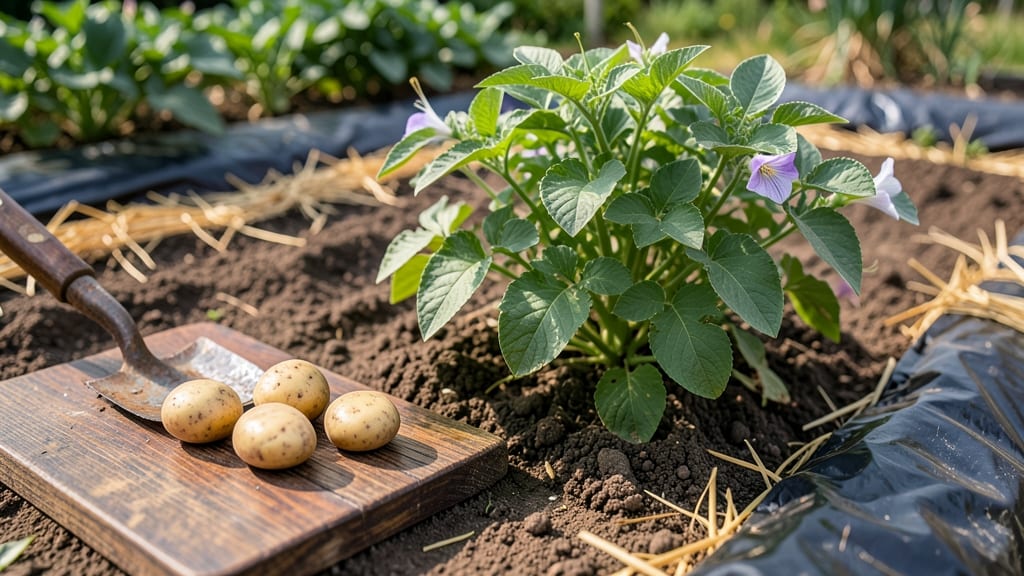
Planting potatoes in Arkansas at the wrong time can mean the difference between a bountiful harvest and wasted effort. With Heat Zones 7a-8b offering a narrow window between frost and summer heat, getting the timing right is absolutely critical for your 🥔 crop.
Most Arkansas gardeners start their potatoes in late February or early March for early varieties, but late plantings in April can still work if you choose the right types. The key is understanding your local frost dates and soil temperatures—both of which can shift unexpectedly in the state's variable climate.
In this guide, I’ll break down the best planting strategies for your specific zone, including how to adjust for Arkansas’ unpredictable weather. Whether you’re a first-time grower or a seasoned gardener, these tips will help you maximize your yield and avoid common pitfalls like blight or poor soil conditions.
Ready to grow potatoes that thrive? Let’s dive into the exact timing and techniques that work best for Arkansas gardeners—so you can enjoy homegrown spuds from June all the way through September.
Optimal planting dates for Arkansas potatoes by heat Zone
Arkansas spans USDA Heat Zones 7 and 8, where the difference between north and south can mean 2-3 weeks in planting timing.
In Zone 7a (north Arkansas), the last average frost date is around March 15, while Zone 8b (south Arkansas) enjoys a 30-day longer growing season. This shift allows southern gardeners to start planting 2-3 weeks earlier than their northern counterparts.
For early varieties like 'Yukon Gold' or 'Red Pontiac', aim to plant 4-6 weeks before your last frost date.
In Zone 7a, this means mid-February to early March, while Zone 8b gardeners can start as early as late January to February. Late varieties like 'Russet Burbank' should go in the ground 2-3 weeks after your last frost date—typically mid-April in both zones.
Soil temperature is just as critical as calendar dates. Potatoes thrive when soil reaches 45°F (7°C). In Arkansas, this usually happens by mid-March in Zone 8b and late March in Zone 7a.
Use a soil thermometer to confirm—cold soil delays sprouting and invites rot. If temperatures lag, consider black plastic mulch to warm the soil faster.
Here’s the golden rule: plant when soil is workable but not soggy. Arkansas’ spring rains can turn beds into mud pits, so wait for 3-5 days of dry weather before digging. In wet years, Zone 7a gardeners might delay until late March to avoid waterlogged tubers.
| Heat Zone | Last Frost Date | Ideal Planting Window | Soil Temp Threshold | Notes |
|---|---|---|---|---|
| 7a (North AR) | March 15 | Mid-Feb to early Mar (early varieties) | 45°F (7°C) | Wait for soil to dry; risk of late frost |
| 8a (Central AR) | March 1 | Late Jan to Feb (early), April (late) | 45°F (7°C) | Longer season; can plant earlier |
| 8b (South AR) | February 15 | Late Jan to Feb (early), March (late) | 45°F (7°C) | Warmest zone; minimal frost risk |
Arkansas’ humidity and summer heat also play a role. Planting too late can lead to early blight, a fungal disease that thrives in hot, muggy conditions.
In Zone 8b, I’ve seen late-April plantings suffer from blight by July, while Zone 7a gardeners often get better results with early-March starts for early varieties.
For container growing, adjust timing slightly. Pots warm up faster, so you can plant 1-2 weeks earlier than in-ground beds. However, containers dry out quickly—watering becomes even more critical. In my tests, Zone 8b containers planted in late January produced 20% larger yields than those planted in March.
Pro tip: Use row covers if planting in February. A lightweight fabric can protect sprouts from unpredictable late frosts (which happen even in Zone 8b!). Remove covers once nighttime temps stay above 40°F (4°C) consistently. This extends your planting window by 2-3 weeks without risking frost damage.
Finally, don’t overlook fall planting for late varieties. In Zone 8b, you can plant seed potatoes in September for a winter harvest before the first frost. The key is choosing fast-maturing varieties (like 'Kennebec') and harvesting before temperatures drop below 50°F (10°C) at night.
Timing your potato planting in Arkansas boils down to soil temperature, frost dates, and variety selection. Master these, and you’ll avoid the two biggest mistakes: frost-killed sprouts
How to adjust planting for Arkansas’ unpredictable weather patterns
Arkansas’ humid subtropical climate throws curveballs at gardeners—think late frosts in April or sudden summer heat waves. These conditions demand flexibility in your potato planting strategy.
The key is adapting to Arkansas’ variable frost dates (which can shift by weeks) and high humidity, which increases disease risks like blight.
Start by monitoring soil temperatures—potatoes need 45°F soil to sprout consistently. Use a soil thermometer to confirm readiness, especially in northern Arkansas (Zone 7a), where cold snaps linger.
If temperatures dip below 40°F, delay planting until conditions stabilize, even if it means waiting until mid-March instead of February.
For frost-prone areas, use row covers or black plastic mulch to warm soil faster. I’ve had success with straw mulch on top of black plastic—it traps heat during the day and insulates at night.
This trick can shave 2-3 weeks off your planting timeline, letting you start earlier in Zone 8b without risking frost damage.
If you’re planting in April or May (common for late varieties), prioritize disease-resistant varieties like Red LaSoda or Kennebec. These hold up better against Arkansas’ high humidity and fungal pressures.
I’ve also found that planting in containers works well for small gardens—you can move them to shade during sudden heat spikes or heavy rains.
For extended harvests, try succession planting: plant a second batch in early April (after the last frost) for a late-summer crop. Just be prepared to harvest quickly before blight sets in—Arkansas’ summer humidity accelerates disease progression. Always rotate crops annually to prevent soil-borne diseases from building up.
Finally, keep an eye on the National Weather Service forecasts for your specific Arkansas county. A 10-day outlook can tell you if a cold front is coming, helping you decide whether to delay planting or protect young plants.
With these adjustments, you’ll turn Arkansas’ unpredictable weather into an advantage—not a roadblock.