
Plants
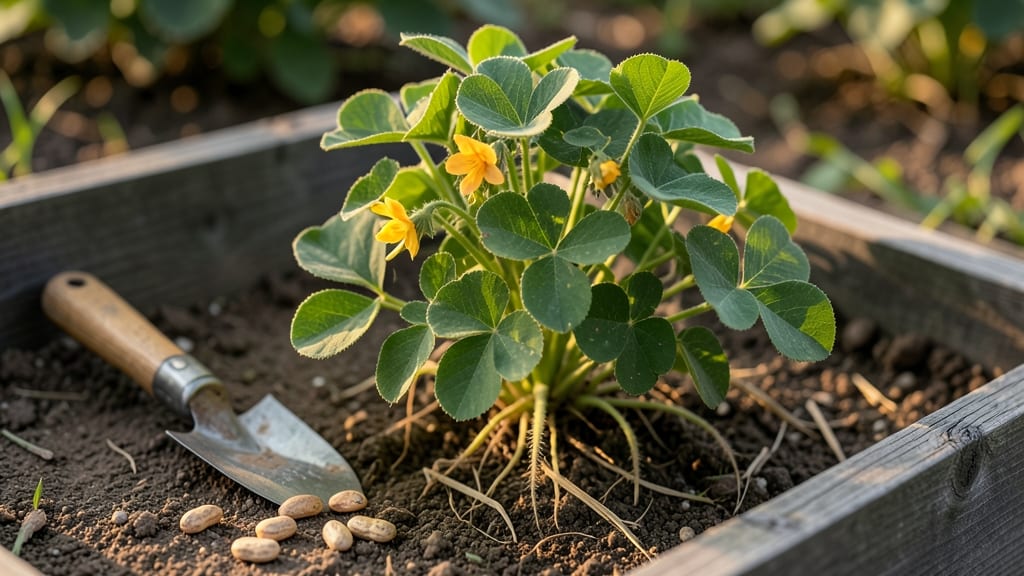
Planting peanuts in Georgia at the wrong time could mean the difference between a thriving crop and wasted effort—especially when soil warmth is the real game-changer, not just the calendar date.
If you’ve ever wondered why some gardeners get perfect 🥜 harvests while others struggle, the answer lies in understanding when your soil is truly ready.
Georgia’s climate zones—from the Coastal Plain to the Piedmont—create regional variations that matter. While most gardeners aim for April to May, the key isn’t just the month but the soil temperature, which should hit at least 70°F before you plant.
Get this wrong, and your peanuts may rot in the ground or fail to peg properly.
In this guide, I’ll break down the exact planting deadlines based on soil warmth, not just dates, so you can align your schedule with Georgia’s unique growing conditions.
You’ll also discover how to prep your soil, avoid common mistakes, and maximize your harvest—whether you’re in the warmer south or cooler north of the state.
Ready to turn your peanut patch into a bountiful success? Let’s dive into the step-by-step schedule that separates the guesswork from the guaranteed harvest.
Georgia peanut planting deadlines based on soil temperature (not calendar months)
Peanuts thrive in Georgia’s warm climate, but planting them at the wrong time—even if the calendar says "spring"—can lead to stunted growth or total crop failure. The real deadline isn’t the month; it’s soil temperature. Peanuts need soil that’s consistently at or above 70°F (21°C) to germinate properly.
Plant too early, and your seeds may rot in cold soil. Plant too late, and you’ll miss the 30-day window before summer heat stresses young plants.
Georgia’s two main regions—Coastal Plain and Piedmont—have different soil warming schedules due to elevation and microclimates. The Coastal Plain warms up faster, while the Piedmont often lags by 1-2 weeks.
This means your planting timeline should shift based on where you live, not just the date on your calendar.
For example, in South Georgia (Coastal Plain), you might plant as early as mid-April, while in North Georgia (Piedmont), you’ll want to wait until late April or early May.
To avoid guesswork, use a soil thermometer to check temperatures at a depth of 2 inches. Morning is the best time to test, as soil cools overnight. Aim for 3 consecutive days of temperatures above 70°F before planting.
If your soil is still below this threshold, wait—even if your neighbor in a lower elevation area is already planting. Peanuts are sensitive to cold soil, and slow germination invites pests like wireworms and fungus.
Another critical factor is rainfall timing. Peanuts need consistent moisture after planting, but too much rain can drown seeds or cause soil compaction. In Georgia, April often brings unpredictable showers, so plan to plant when forecasts call for dry conditions for 5-7 days.
If heavy rains are expected, delay planting until the weather clears. This is especially important in the Piedmont region, where spring rains can linger longer due to cooler temperatures.
If you’re unsure about your local soil temperature trends, check with your University of Georgia Cooperative Extension office. They provide free soil temperature maps and planting recommendations tailored to your county.
For example, in Tifton (South Georgia), peanuts are often planted by April 15, while in Athens (North Georgia), gardeners typically wait until May 1. These deadlines aren’t set in stone, but they’re based on decades of data on soil warming patterns.
Pro tip: If you’re planting in raised beds, soil warms up 1-2 weeks faster than in-ground soil. This gives you a slight advantage in cooler Piedmont areas. Just ensure your raised beds have good drainage, as peanuts hate soggy roots.
Mulch with straw or black plastic to help maintain soil warmth and suppress weeds, which is especially helpful in the Coastal Plain where humidity can lead to fungal issues.
🌱 Georgia Peanut Planting Deadlines by Region & Soil Temp
| Region | Ideal Planting Window | Soil Temp Requirement | Key Considerations |
|---|---|---|---|
| Coastal Plain (South GA) | Mid-April to early May | 70°F+ (21°C+) for 3+ days | Warmer soil, earlier frost-free dates |
| Piedmont (North GA) | Late April to mid-May | 70°F+ (21°C+) for 3+ days | Cooler soil, later frost risk |
| Mountains (GA) | May (or wait for 75°F+ soil) | 75°F+ (24°C+) for 3+ days | Short growing season, higher elevation |
| Raised Beds (Anywhere) | 1-2 weeks earlier | Same as in-ground (70°F+) | Warmer soil, faster germination |
💡 Note: Adjust for late frosts. Coastal Plain areas rarely see frost after March 15, while Piedmont can have late frosts into April.
Once your soil hits the 70°F threshold, act fast. Peanuts should be planted within a 30-day window to ensure they mature before Georgia’s first frost in mid-November. For most varieties, this means aiming for a harvest between September and October.
If you plant too late, your peanuts may not develop fully before cooler temperatures slow growth. Conversely, planting too early in cold soil leads to poor germination and invites diseases like <
Step-by-step peanut planting schedule for Georgia’s two main regions
Georgia’s two main climate zones—Coastal Plain and Piedmont—require different planting timelines for peanuts. While both regions share the same 70°F soil temperature rule, the Coastal Plain warms up faster, giving gardeners a 2-3 week head start compared to the Piedmont.
Let’s break down the exact steps for each region to ensure your peanuts thrive.
For the Coastal Plain (southern Georgia), aim to plant between mid-April and early May. This zone’s earlier last frost (mid-March) and warmer soils allow for an earlier start.
In the Piedmont (northern Georgia), wait until late April to early May when soil temperatures consistently reach 70°F. Missing this window can lead to poor germination or stunted growth.
Here’s how to align your planting schedule with Georgia’s climate zones, including soil prep, planting depth, and post-emergence care:
After planting, monitor your peanuts for peg formation, which occurs when stems grow into the soil to develop pods. This usually happens 6-8 weeks after planting. If you notice yellowing leaves or stunted growth, check for soil-borne diseases or nutrient deficiencies and adjust care accordingly.
In the Coastal Plain, peanuts will mature faster due to the longer growing season, while Piedmont gardeners may need to extend their season with row covers if frost threatens in late September.
Harvest peanuts when the lower leaves turn yellow and pods rattle when shaken—this usually falls between September and October in Georgia.
By following this region-specific schedule, you’ll avoid the most common planting mistakes and set your peanuts up for a successful harvest. The key is patience and attention to soil warmth—don’t rush the process, even if your neighbors start planting earlier!