
Plants
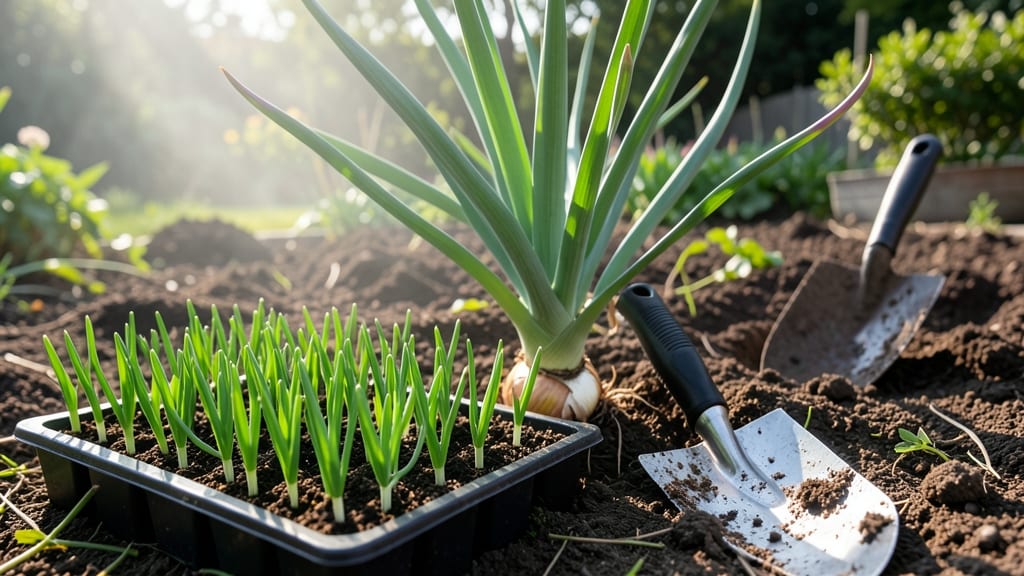
Planting onions in Ohio isn’t just about timing—it’s about outsmarting the state’s unpredictable frosts and short growing season. The wrong window could mean stunted bulbs or wasted effort, but with the right approach, you’ll grow flavorful, abundant 🧅 harvests that last all year.
Most gardeners in Zone 6a plant onions in March-April for spring crops or August-September for fall harvests, but the key is adjusting for your last frost date—typically around April 15. Whether you’re using sets, seeds, or transplants, this guide breaks down the exact weeks to plant for maximum success.
We’ll cover cold-hardy varieties like Yellow Sweet Spanish and Crystal Wax, soil prep secrets to prevent rot, and spacing tricks that boost yields. No more guesswork—just a step-by-step timeline tailored to Ohio’s climate.
Ready to grow onions that rival store-bought? Let’s dive into the perfect planting schedule and care tips that’ll have your garden thriving from spring to fall.
Ohio onion planting timeline: best months by variety type
Ohio’s USDA Zone 5-6 climate means onions need precise timing to avoid frost damage or stunted growth. For spring-planted onions, aim for 4-6 weeks before your last frost date—typically mid-March to early April in most Ohio regions.
Fall planting, however, offers a second chance for storage onions and should happen 8-10 weeks before first frost (usually late August to early September).
Onions in Ohio fall into two main categories: short-day varieties (like Yellow Sweet Spanish) that thrive in cooler climates and long-day varieties (like Crystal Wax) that need extended daylight.
Short-day onions can be planted earlier in spring or even fall-planted, while long-day onions require late spring planting for full bulb development.
Here’s a breakdown of the best planting windows based on your onion type and Ohio’s frost dates:
| Onion Type | Planting Window | Notes |
|---|---|---|
| Short-Day Varieties (e.g., Yellow Sweet Spanish) | March 15 - April 15 (spring) or August 15 - September 1 (fall) | Cold-hardy; ideal for early spring or late summer planting. |
| Long-Day Varieties (e.g., Crystal Wax) | April 1 - May 1 (spring only) | Requires long daylight hours; avoid fall planting. |
| Onion Sets (Pre-Grown Bulbs) | March 1 - April 10 (spring) or August 1 - September 1 (fall) | Fastest option; plant 4-6 weeks before last frost. |
| From Seed (Transplants) | Indoor Start: February 1 - March 1 (transplant after frost) | Start seeds indoors 8-12 weeks before last frost. |
For spring planting, I recommend starting with onion sets (pre-grown bulbs) in early March to give them a head start. If you’re growing from seed, start indoors in February and transplant seedlings after the last frost date (typically mid-April).
Fall planting is best for short-day varieties like Red Baron, which can overwinter in Ohio’s mild climate.
Ohio’s unpredictable spring weather means flexibility is key. If frost threatens after planting, protect young onions with row covers or straw mulch. For fall-planted onions, use heavy mulch (like straw) to insulate bulbs during winter and prevent heaving.
This method also extends the harvest window into late fall.
Pro tip: Mark your planting dates on a garden calendar and track frost dates using Ohio’s USDA Plant Hardiness Zone Map. In northern Ohio (Zone 5), plant 2 weeks earlier than southern Ohio (Zone 6) to account for colder temperatures.
Adjust for microclimates—low-lying areas may need later planting to avoid frost pockets.
Timing also affects harvest readiness. Spring-planted onions typically mature by June or July, while fall-planted onions are ready by October or November. Plan your garden layout to stagger planting and harvesting for a continuous supply.
For example, plant half your sets in March and the other half in August to enjoy fresh onions year-round.
One common mistake Ohio gardeners make is planting long-day onions too early. These varieties need 14+ hours of daylight to form bulbs, which isn’t available until late spring.
Planting them too soon results in leafy greens with tiny bulbs. Stick to short-day varieties for early spring or fall planting to avoid this issue.
Finally, consider your onion’s end use when choosing planting times. Storage onions (like Yellow Sweet Spanish) benefit from fall planting and can last until next summer if cured and stored properly. Fresh-market onions (like Crystal Wax) are best planted in late spring for a summer harvest. 🧅
Cold-hardy onion varieties that thrive in Ohio’s climate
Ohio’s short growing season and variable frost dates demand onion varieties that can handle cool temperatures and still produce high-quality bulbs.
The best choices for Ohio gardeners are short-day onions, which form bulbs with fewer daylight hours, and intermediate-day varieties that adapt well to the region’s USDA Zone 5-6 climate.
These varieties not only survive Ohio’s early springs and late falls but also deliver flavorful, storable onions that last through winter.
When selecting varieties, prioritize those with disease resistance (especially to onion thrips and downy mildew, common in Ohio’s humid summers) and good storage life. For example, Yellow Sweet Spanish stores exceptionally well, while Crystal Wax offers a milder flavor perfect for fresh eating.
Below, I’ve highlighted the top 5 onion varieties that consistently perform in Ohio gardens, along with their unique advantages.
| Variety | Day Length | Best For | Storage Life | Pros | Cons |
|---|---|---|---|---|---|
| Yellow Sweet Spanish | Intermediate | Storage, cooking | 6+ months | Sweet flavor, long storage, cold-hardy | Needs consistent moisture |
| Crystal Wax | Long-day | Fresh eating, salads | 3-4 months | Mild, crisp, great for fresh use | Poor storage, needs warm soil |
| Red Baron | Short-day | Fresh and storage | 5+ months | Cold-hardy, disease-resistant, red hue | Slower to mature |
| Texas Early White | Intermediate | Early harvest, storage | 4-5 months | Fast-growing, cold-tolerant, mild flavor | Smaller bulbs |
| 1015Y Yellow | Short-day | Storage, cooking | 6+ months | Excellent storage, disease-resistant | Needs well-drained soil |
For spring planting in Ohio, I recommend starting with short-day varieties like Yellow Sweet Spanish or Red Baron, which can handle early March soils and still produce bulbs before summer heat sets in.
These varieties are also ideal for fall planting because they can overwinter in Ohio’s Zone 5-6 climate without rotting. If you’re aiming for a summer harvest, opt for intermediate-day onions like Texas Early White, which mature faster in Ohio’s warmer months.
One common mistake Ohio gardeners make is choosing long-day onions (like Crystal Wax) for early spring planting. These varieties won’t bulb properly until late spring or summer, when daylight hours exceed 14 hours.
Instead, save long-day onions for April-May planting to ensure bulbs develop fully. For fall crops, stick to short-day or intermediate-day varieties to avoid disappointing harvests.
When deciding between onion sets, seeds, or transplants, consider your timeline. Onion sets (pre-grown bulbs) are the fastest option for Ohio gardeners, giving you a 6-8 week head start compared to seeds.
If you’re growing from seed, start indoors in February and transplant seedlings after the last frost date (typically mid-April). For fall planting, use sets or transplants planted in August to ensure bulbs mature before winter.
Pro tip: If you’re new to growing onions in Ohio, start with Yellow Sweet Spanish or Red Baron—they’re forgiving