
Plants
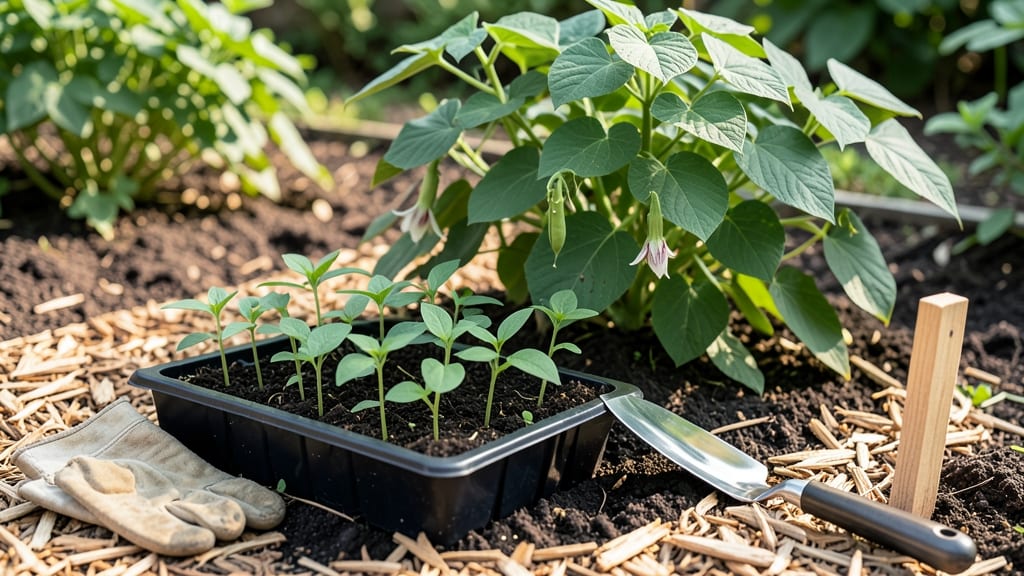
Planting your beans at the wrong time in Zone 7 could mean watching your hard work vanish overnight—frost is no joke for these warm-weather lovers. 🌱 The secret to a bountiful harvest lies in waiting for soil warmth and timing your seeds just right, whether you're growing bush beans or climbing pole varieties.
Most gardeners in Zone 7 know the basics: after the last frost (around April 15), but that's only half the battle. Beans need soil temperatures of at least 60°F to germinate properly, and cooler springs can delay planting by weeks.
I'll show you exactly how to check soil temps and adjust your schedule for maximum success.
Here's the good news: you can actually plant beans twice in Zone 7—once in early spring and again in late summer (about 8-10 weeks before your first frost).
This two-season strategy lets you enjoy fresh pods from June through October without the risk of frost damage. Let's break down the perfect timing for each planting window.
We'll also cover common mistakes that sabotage bean harvests, like planting too early when nights are still chilly or ignoring soil moisture needs. With these pro tips, you'll go from uncertain gardener to bean-growing expert in no time—ready to enjoy homegrown snap peas, wax beans, or whatever variety you love.
Optimal planting windows for beans in Zone 7 based on soil temperature
Beans are warm-season crops that despise cold soil—planting too early when temperatures dip below 50°F can leave your seeds rotting in the ground instead of sprouting. In Zone 7, where last frost dates hover around April 15, timing is everything.
The key is waiting for soil to warm to at least 60°F (measured 2-3 inches deep) for reliable germination, though some cold-tolerant varieties like 'Tendercrop' can handle 50°F soils.
Most Zone 7 gardeners aim for mid-April to early May for their first planting, but this varies by sub-region. Zone 7a (colder microclimates) may need to wait until late April, while 7b (warmer areas) can start as early as early April.
Always confirm your local last frost date—even a 28°F night can kill young seedlings.
Here’s the golden rule: Never plant beans when nighttime temperatures dip below 50°F. Use a soil thermometer (they’re cheap!) to check daily—beans won’t germinate well in cold soil, and even if they do, growth will be stunted.
For a head start, you can sow seeds indoors 4-6 weeks before your target outdoor date, but most gardeners skip this step since beans germinate quickly in warm soil.
Zone 7’s second planting window opens in late summer, about 8-10 weeks before your first frost (typically mid-August to early September). This lets you enjoy a late harvest just as summer heat eases.
Choose heat-tolerant varieties like 'Blue Lake Bush' or 'Kentucky Wonder Pole' for this window—they handle the transition from summer’s peak to autumn’s chill better than delicate types.
Pro tip: If your summer stretches into September or October, you might even squeeze in a third planting of fast-maturing varieties like 'Provider' (ready in 50 days). Just ensure your plants have 60+ days until frost to mature.
| Planting Window | Soil Temp Requirement | Last Frost Buffer | Best Varieties |
|---|---|---|---|
| Early Spring | 60°F+ (minimum 50°F for cold-hardy types) | 2 weeks after last frost | Blue Lake Bush, Romano, Provider |
| Late Summer | 65°F+ (warmer soil speeds germination) | 8-10 weeks before first frost | Kentucky Wonder Pole, Tendercrop, Contender |
| Extended Fall (Risky) | 60°F+ (use row covers) | 50+ days until frost | Provider, Blue Lake (fast-maturing) |
For pole beans, which take longer to mature (60-80 days vs. 50-60 days for bush types), start your first planting 1-2 weeks earlier than bush beans to give vines time to establish before summer heat sets in.
If you’re growing heirloom varieties, check their specific days-to-maturity—some, like 'Scarlet Runner', need 90+ days and are better suited for late spring plantings.
One common mistake is assuming "after last frost" means immediately. Soil can still be too cold! Test it with your hand: if it feels chilly to the touch (like a refrigerator door), wait a few more days.
In my garden, I’ve seen seeds planted in 55°F soil take 3 weeks to sprout, while 65°F soil gets them up in 5-7 days.
If you’re unsure about your local microclimate, observe nearby plants: Marigolds or zucchini (both warm-season crops) sprouting reliably? Your beans are ready too. And don’t forget: black soil absorbs heat faster than sandy loam, so adjust your timing accordingly.
For a foolproof schedule, mark your calendar for
Optimal planting windows for beans in Zone 7 based on soil temperature
Beans in Zone 7 thrive when planted at the right time—too early and frost zaps your seeds, too late and summer heat stresses young plants. The key is waiting for soil temperatures to hit 60°F+ (measured 2-3 inches deep) and ensuring your last frost date has passed.
For most of Zone 7, this lands in mid-April to early May, but cooler microclimates (like higher elevations) may need to wait until late May.
Here’s the golden rule: Bush beans (like 'Blue Lake') germinate at 50°F but grow best above 60°F, while pole beans (like 'Kentucky Wonder') need 65°F+ for vigorous climbing. Heirloom varieties often fall in between—always check seed packets for specific guidance.
I’ve planted both types in Zone 7a and 7b, and the difference in yield is night-and-day when timed right.
Zone 7 spans two sub-regions: 7a (0-5°F colder) and 7b (5-10°F warmer). In 7a, aim for April 20–May 5 for spring planting, while 7b gardeners can start as early as April 1–April 15.
Use your local Almanac’s frost calendar or a soil thermometer (they’re cheap!) to pinpoint your exact window. Pro tip: If your soil warms slowly, opt for cold-tolerant varieties like 'Contender' or 'Provider.'
| Variety | Soil Temp Threshold | Zone 7 Planting Window | Harvest Time |
|---|---|---|---|
| Bush Beans (e.g., 'Blue Lake') | 50°F+ (germination), 60°F+ (growth) | April 20–May 10 (7a) / April 1–April 15 (7b) | 60–70 days after planting |
| Pole Beans (e.g., 'Kentucky Wonder') | 65°F+ (essential for climbing) | May 1–May 15 (both 7a/7b) | 70–80 days after planting |
| Heirloom (e.g., 'Christmas Limas') | 55°F+ (variable—check seed packet) | April 25–May 5 (7a) / April 10–April 20 (7b) | 65–75 days after planting |
🌱 Adjust for microclimates—valleys stay cooler, slopes warm faster.
Don’t forget about your second planting window in late summer! Zone 7’s first frost typically hits around October 15, so aim to sow seeds 8–10 weeks before that (late July to early August).
This lets you enjoy fresh beans through September. Use heat-tolerant varieties like 'Black Valentine' or 'Scarlet Runner' for summer plantings—they handle the heat better than standard types.
For both planting windows, direct sowing is best—beans hate transplanting. Drop seeds 1 inch deep, 2–3 inches apart, and thin to 4–6 inches once sprouts appear. If you’re using raised beds, they warm up faster, giving you a 1–2 week head start on in-ground planting.
I’ve seen raised beds hit 60°F by early April in Zone 7b, while ground soil lags until mid-April.
One final tip: Watch for nighttime temperatures. Even after soil warms, if nights dip below 50°F, young beans will struggle. Use row covers or plant near heat-retaining structures (like south-facing fences) to buffer chilly nights.
With these timelines, you’ll avoid the most common mistakes and enjoy a harvest that lasts from June through October.