
Companion Plants
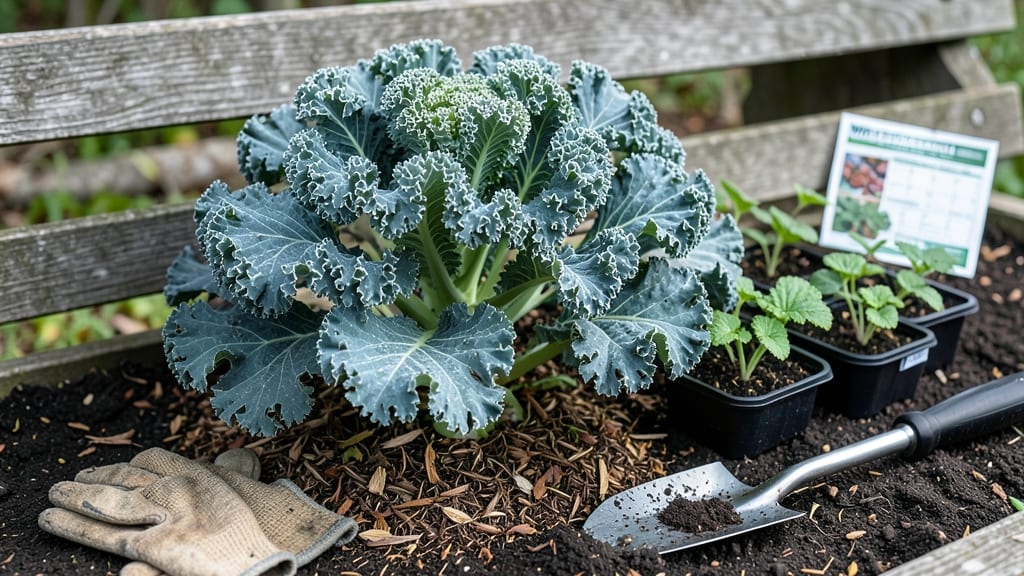
Planting brassicas 🥦 in Wisconsin isn’t just about timing—it’s about outsmarting the unpredictable frost dates that can turn your garden dreams into a sad pile of wilted greens.
With USDA Zones 5a-6b and microclimates that vary wildly from Milwaukee to the Door Peninsula, knowing when to plant can mean the difference between a bountiful harvest and a bolted disappointment.
The key? Starting 4-6 weeks before your last frost—usually by early April—and planning for a second crop in late summer for a fall harvest.
But here’s the trick: Wisconsin’s short growing season demands smart choices. Cold-hardy varieties like ‘Winterbor’ kale and ‘Tendercrisp’ cabbage give you flexibility, while row covers and cold frames can stretch your planting window even further.
Let’s break down the exact timing and strategies that work for your specific corner of the state.
Whether you’re a first-time gardener or a seasoned green thumb, these insights will help you maximize your brassica yields—no more guessing, just growing. Ready to get started?
Wisconsin brassica planting timeline by hardiness Zone & last frost dates
Wisconsin’s USDA Zones 3–5 create unique challenges for brassica growers, but with the right timing, you can enjoy fresh cabbage, broccoli, and kale year-round. The key is understanding your last frost dates, which vary from mid-April in southern Wisconsin to late May in the north.
Planting too early risks frost damage, while waiting too long can lead to bolting before harvest.
For spring brassicas, aim to plant 4–6 weeks before your last frost date. In Zone 4 (Madison, Milwaukee), this typically means mid-March to early April. In colder Zone 3 areas (northern Wisconsin), start seeds indoors in late February and transplant after soil warms to 45°F.
Fall planting works too—sow 6–8 weeks before your first frost (usually late July to early August).
Here’s how to align your planting with Wisconsin’s microclimates. Urban areas like Milwaukee often experience earlier last frosts due to the urban heat island effect, while rural areas may have colder pockets. Adjust your schedule by 1–2 weeks based on your local frost history.
For example, if your neighbor’s garden in Zone 4 thrives with early April planting, but you’re in a frost-prone valley, wait until mid-April.
Don’t overlook succession planting—this is your secret weapon for a continuous harvest. For fast-maturing varieties like ‘Quick Cut’ broccoli (ready in 50 days), sow new seeds every 2–3 weeks from spring through early summer.
In fall, stagger plantings every 3 weeks until mid-August to ensure a harvest before frost.
🌱
| Planting Window | Zone 3 (Northern WI) | Zone 4 (Central WI) | Zone 5 (Southern WI) |
|---|---|---|---|
| Early Spring (Indoor Start) | Late February (transplant April 15) | Mid-March (transplant April 1) | Early March (transplant March 20) |
| Early Spring (Direct Sow) | April 15 (after last frost) | April 1 (after last frost) | March 20 (after last frost) |
| Late Summer (Fall Harvest) | July 15 (harvest Sept-Oct) | July 20 (harvest Sept-Oct) | August 1 (harvest Oct-Nov) |
| Succession Planting (Spring) | Every 3 weeks (April-June) | Every 2 weeks (April-June) | Every 2 weeks (March-June) |
| Succession Planting (Fall) | Every 3 weeks (July-Aug) | Every 3 weeks (July-Aug) | Every 3 weeks (July-Sept) |
If you’re planting Brussels sprouts, plan ahead—they need a longer growing season (90–120 days).
Start seeds indoors in March for a fall harvest or direct-sow in early June for a next-year harvest. Kale and collards, on the other hand, are cold-tolerant and can handle light frosts, making them ideal for fall and winter harvests if planted in late summer.
Pro tip: Use frost-free date calculators like the Old Farmer’s Almanac or your local Cooperative Extension office to fine-tune your schedule. For example, in Milwaukee (Zone 5), the last frost is often April 10, while in Green Bay (Zone 4), it’s May 5.
Adjust your planting dates accordingly to avoid frost damage or premature bolting.
For container gardening, start seeds indoors 2–3 weeks earlier than the timeline above. Containers warm up faster, so they can be planted out
Cold-hardy brassica varieties that thrive in Wisconsin’s short season
Wisconsin’s short growing season demands frost-tolerant brassica varieties that deliver reliable harvests despite unpredictable weather. I’ve grown ‘Winterbor’ kale for years—it survives 20°F nights and tastes sweeter after frost! For broccoli, ‘Belstar’ matures in just 55 days, perfect for early spring or late summer plantings.
Your soil’s pH (6.0–7.5) and drainage directly impact which varieties thrive. ‘Tendercrisp’ cabbage, for example, resists bolting in heat but needs well-amended soil to avoid rot. Always test your soil before planting—my northern Wisconsin garden needed extra compost to prevent waterlogging.
| Variety | Ideal Planting Window | Days to Maturity | Wisconsin Tip |
|---|---|---|---|
| Winterbor Kale | March–April or July–August | 50–60 days | Cut leaves as needed—regrows after frost! |
| Belstar Broccoli | April–May or July | 55–65 days | Harvest side shoots for extended yield. |
| Tendercrisp Cabbage | April or August | 70–80 days | Use row covers for late plantings. |
| Ruby Streaks Radish | March–April or August | 25–30 days | Great for early spring or fall succession. |
| Brussels Sprouts (Long Island Improved) | April–May | 90–100 days | Needs rich soil—add aged compost. |
For late-summer plantings, prioritize fast-maturing varieties like ‘Mibuna’ mustard greens (30 days) or ‘Tokyo Bekana’ bok choy (40 days). These handle Wisconsin’s early October frosts better than slower growers. I’ve even started Brussels sprouts indoors in March to transplant after the last frost—it buys 2–3 extra weeks of growth.
Don’t overlook fall-hardy varieties like ‘Red Russian’ kale. It’s bolt-resistant and sweetens with frost, making it ideal for October harvests. Just beware of cabbage worms—I use row covers in late summer to prevent damage before harvest.
Pro tip: Succession plant every 2 weeks from July to August for a staggered harvest. My Madison garden yields 3x more greens this way, even with Wisconsin’s short season. Pair slow growers (like Brussels sprouts) with fast ones (like radishes) to maximize space.
Always check your local frost dates—they vary by 1–2 weeks across Wisconsin. Use University of Wisconsin Extension resources for hyper-local advice. With the right varieties and timing, you’ll enjoy homegrown brassicas from May through October! 🌱