
Plants
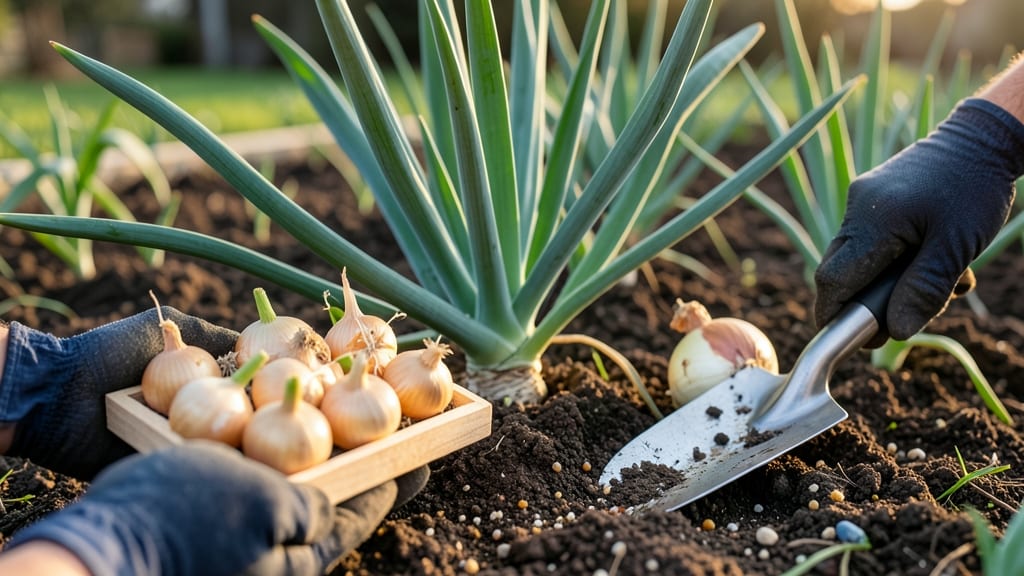
Planting onions in Missouri isn’t just about grabbing sets from the store—it’s about timing them perfectly to avoid bolting or weak harvests. The key?
Start 4-6 weeks before your last frost, typically between March and April, when soil temperatures climb just enough to encourage strong roots without triggering early flowering.
Missouri’s 5b-6b climate zones mean you’ve got two chances to grow sweet, plump 🧅—spring and fall. But get it wrong, and you’ll end up with bitter, stringy onions or plants that bolt before they bulb.
I’ll show you exactly when to plant for zero regrets, whether you’re using seeds or sets, and how to adjust for St. Louis’ cooler pockets or Kansas City’s drier spells.
Why does this matter? Because onions planted too early in cold soil struggle, while late plantings risk bolting when days grow longer. The solution? A frost-date chart tailored to Missouri’s mid-April average last frost, plus tricks to extend your season if Mother Nature throws a curveball.
Ready to grow onions that actually taste fresh? Let’s break down the exact windows, soil prep secrets, and variety choices that work best in your backyard—no guesswork, just results.
Missouri onion planting calendar: frost dates and optimal windows
Missouri’s USDA zones 5b-6b create a unique challenge for onion growers. The key to success lies in understanding frost dates and soil temperatures. Plant too early, and your onions may bolt prematurely. Plant too late, and you’ll miss the 120-day growing window needed for full bulb development.
Most of Missouri experiences its last spring frost between mid-April and early May, depending on your region. For example, St. Louis typically sees its last frost around April 15, while Kansas City and Columbia may wait until April 25.
These dates are your starting point for spring planting.
For fall planting, aim for late August to early September to allow onions to mature before the first frost, usually hitting mid-October. This second planting window gives you a second harvest in late fall, perfect for storing over winter.
Here’s how to align your planting with Missouri’s frost-free season of about 165 days, ensuring your onions have enough time to form plump bulbs.
🌱 Pro Tip: Use onion sets (pre-grown young plants) for a faster harvest. They’re ready to plant 4-6 weeks before your last frost date, giving you a head start over seeds.
| Planting Window | Missouri Regions | Soil Temp Requirement | Days to Harvest | Best Varieties |
|---|---|---|---|---|
| Spring (Sets) | St. Louis, Kansas City, Columbia | 40-50°F (4-6 weeks before last frost) | 90-120 days | Yellowstone, Sweet Sandwich |
| Spring (Seeds) | All regions | 50-60°F (2-3 weeks before last frost) | 120-150 days | Texas Early White, Red Baron |
| Fall (Sets/Seeds) | All regions | 50-60°F (8-10 weeks before first frost) | 90-120 days | Candy, White Sweet Spanish |
If you’re planting onion seeds, start them indoors 8-10 weeks before your last frost date to give them a head start. Transplant seedlings outdoors when they’re 4-6 inches tall and soil temperatures reach 50°F. This method extends your growing season and reduces the risk of bolting.
For fall-planted onions, choose short-day varieties like Candy or White Sweet Spanish. These varieties mature faster in cooler temperatures, making them ideal for Missouri’s shorter fall season. Plant them 8-10 weeks before your first frost to ensure they reach maturity.
Missouri’s microclimates can vary significantly. If you live in a warmer southern region like Southeast Missouri, you may push your spring planting window 2-3 weeks earlier. Conversely, northern regions like Northeast Missouri might need to delay planting until late April to avoid frost damage.
Always monitor local frost forecasts and adjust your planting schedule accordingly. A light frost can damage young onion plants, but they’re generally frost-tolerant once established. Use row covers or mulch to protect seedlings if late frosts are expected.
By aligning your planting with Missouri’s frost dates and soil conditions, you’ll avoid the #1 mistake Missouri gardeners make: planting onions too early and watching them bolt. With the right timing, you’ll enjoy a bountiful harvest of sweet, plump onions all season long! 🧅
How to adjust onion planting for Missouri’s unpredictable weather
Missouri’s weather can be as unpredictable as a toddler’s mood—one day sunny, the next a surprise frost.
To protect your onions, start by choosing the right varieties for your region. Short-day onions (like Candy or White Sweet Spanish) thrive in Missouri’s cooler springs and falls, while intermediate-day varieties (such as Texas Early White) adapt well to the state’s variable daylight hours.
For spring planting, use row covers or mulch to shield seedlings from late frosts, which can linger into mid-April in northern Missouri. A lightweight fabric cover raises soil temperatures by 5-10°F, giving your onions a fighting chance against chilly nights. Remove covers once soil warms to 50°F consistently.
🌱 Pro Tip: If your area experiences unusually cold snaps, consider planting onion sets instead of seeds. Sets mature faster and are less vulnerable to frost damage. For extra protection, plant them in raised beds, which warm up quicker than in-ground soil.
Onion Planting Adjustments for Missouri Weather
| Strategy | Pros | Cons |
|---|---|---|
| Row Covers | Protects from frost, warms soil faster | Can trap too much heat; remove when temps rise |
| Raised Beds | Warmer soil, better drainage, extends season | Requires more soil/compost; initial setup cost |
| Onion Sets | Faster harvest, less frost risk, easier to transplant | Limited variety selection; less control over growth |
| Mulching | Retains moisture, suppresses weeds, insulates roots | Can slow soil warming in spring; may harbor pests |
💡 Key: Balance protection with airflow to prevent disease.
For fall planting, focus on short-day varieties that mature quickly in Missouri’s cooler temperatures. Plant them 8-10 weeks before your first frost (usually mid-October) to ensure they reach maturity. If your fall is unusually warm, opt for intermediate-day onions like Red Baron, which tolerate longer daylight better.
Missouri’s drought-prone summers can stress onions, so deep watering is critical. Aim for 1 inch of water per week, delivered in the morning to reduce evaporation. Use drip irrigation to keep foliage dry, preventing fungal diseases like downy mildew.
Finally, keep an eye on local weather forecasts. If a hard frost is predicted after your onions are established, cover them with straw mulch or a lightweight blanket.
Onions are surprisingly hardy once their bulbs form, but young plants need extra care to survive Missouri’s unpredictable swings from sunshine to snow.
With these adjustments, you’ll turn Missouri’s challenging climate into your onions’ secret weapon—producing sweeter, larger bulbs than you’d get with generic advice. 🌿